
Restaurants for Lease in Salt Lake City
Browse current restaurant spaces for lease in Salt Lake City.
Map view
Listings in Salt Lake City
Available Now
Restaurants for Lease in Salt Lake City
While inventory is limited in Salt Lake City, explore the market guide below or get notified when new restaurant spaces for lease are listed.
No matching listings are live in Salt Lake City right now
Browse the wider marketplace or check back as new restaurant opportunities are added.
Browse Nearby ListingsGet notified when inventory lands in Salt Lake City
Save this market and we'll email you when new restaurant spaces for lease match your criteria.
Market Context
Salt Lake City Lease Market Overview
What tenants need to understand about leasing restaurant space in Salt Lake City.
Salt Lake City is Utah's capital with approximately 205,000 residents and a Wasatch Front metro economy approaching 1.3 million people stretching from Ogden through Provo. The economy combines a substantial state government workforce with major private employers including the University of Utah, Intermountain Health, Zions Bank, and the broader financial services concentration on South Main. Salt Lake International Airport drives consistent business traveler and convention demand into the Downtown restaurant market.
Restaurant lease rates in Salt Lake City have risen substantially since 2020 as the Wasatch Front has absorbed accelerating in-migration from California, Texas, and the broader West. Prime Downtown ground-floor retail runs $32 to $52 per square foot annually, with the newest mixed-use tower spaces reaching $45 to $65. Sugar House commands $30 to $48 in its walkable core. The 9th and 9th and Central Ninth chef-driven pockets run $28 to $44. The Avenues, Marmalade, and outer residential corridors offer the most accessible entry costs at $22 to $38 per square foot.
Salt Lake City restaurant acquisitions involving alcohol service must work through DABS (Department of Alcoholic Beverage Services) licensing under Utah Code Title 32B. Unlike most states, Utah liquor licenses do not transfer with a restaurant sale. Buyers must apply for a new license from DABS, which operates under a statewide quota tied to population and is gradually expanding through 2031. The Salt Lake market concentrates much of the statewide demand for both full-service restaurant licenses (currently approximately 1 per 4,467 residents statewide, scaling to 1 per 3,167 by 2031) and bar licenses (currently approximately 1 per 10,200 residents, scaling to 1 per 7,264). Bar licenses are particularly scarce relative to demand. Restaurants licensed for alcohol must also operate under Utah's 70/30 food sales requirement, where alcohol revenue cannot exceed 30 percent of combined food and alcohol revenue.
Popular Markets
Where to Lease a Restaurant in Salt Lake City
Salt Lake City restaurant lease opportunities span several distinct submarkets, each with different rent profiles, demographic anchors, and operating characteristics.
- Downtown & Main Street (Urban Core): Downtown Salt Lake City along Main Street, State Street, and the surrounding blocks combines a substantial daytime professional workforce with growing residential density driven by recent multifamily development. Tourism demand from the Salt Palace Convention Center, the Vivint Arena, and the Delta Center adds meaningful evening volume. Lease rates run $32 to $52 per square foot annually for prime Downtown locations, with newer Class A retail and ground-floor space in mixed-use towers reaching $45 to $65 per square foot.
- Sugar House (Walkable Anchor): Sugar House at 2100 South and 1100 East has emerged as Salt Lake's most walkable independent dining district, anchored by Sugar House Park, the historic commercial core, and an unusually high concentration of independent operators. Lease rates run $30 to $48 per square foot annually for the prime walkable corridors. Strong resident demand and consistent weekday lunch from the surrounding office and university workforce.
- 9th and 9th & Central Ninth (Chef-Driven Pockets): The 9th and 9th intersection and the Central Ninth district at 900 South and 200 West are two of Salt Lake's most acclaimed chef-driven restaurant clusters. Both corridors combine compact walkability with strong neighborhood loyalty, leading to lower vacancy and selective lease availability. Lease rates run $28 to $44 per square foot.
- The Avenues, Marmalade & Capitol Hill (Historic Residential): The Avenues, Marmalade, and Capitol Hill neighborhoods surround the State Capitol and combine some of Salt Lake's most established residential streets with quieter retail corridors. Restaurant opportunities here lean toward neighborhood concepts, breakfast and lunch spots, and chef-driven destination dining. Lease rates run $24 to $38 per square foot annually, with selective inventory.


Types of Restaurant Leases in Salt Lake City
Pepperlot lists all three restaurant lease types in Salt Lake City. Understanding the differences is the first step in evaluating any opportunity.
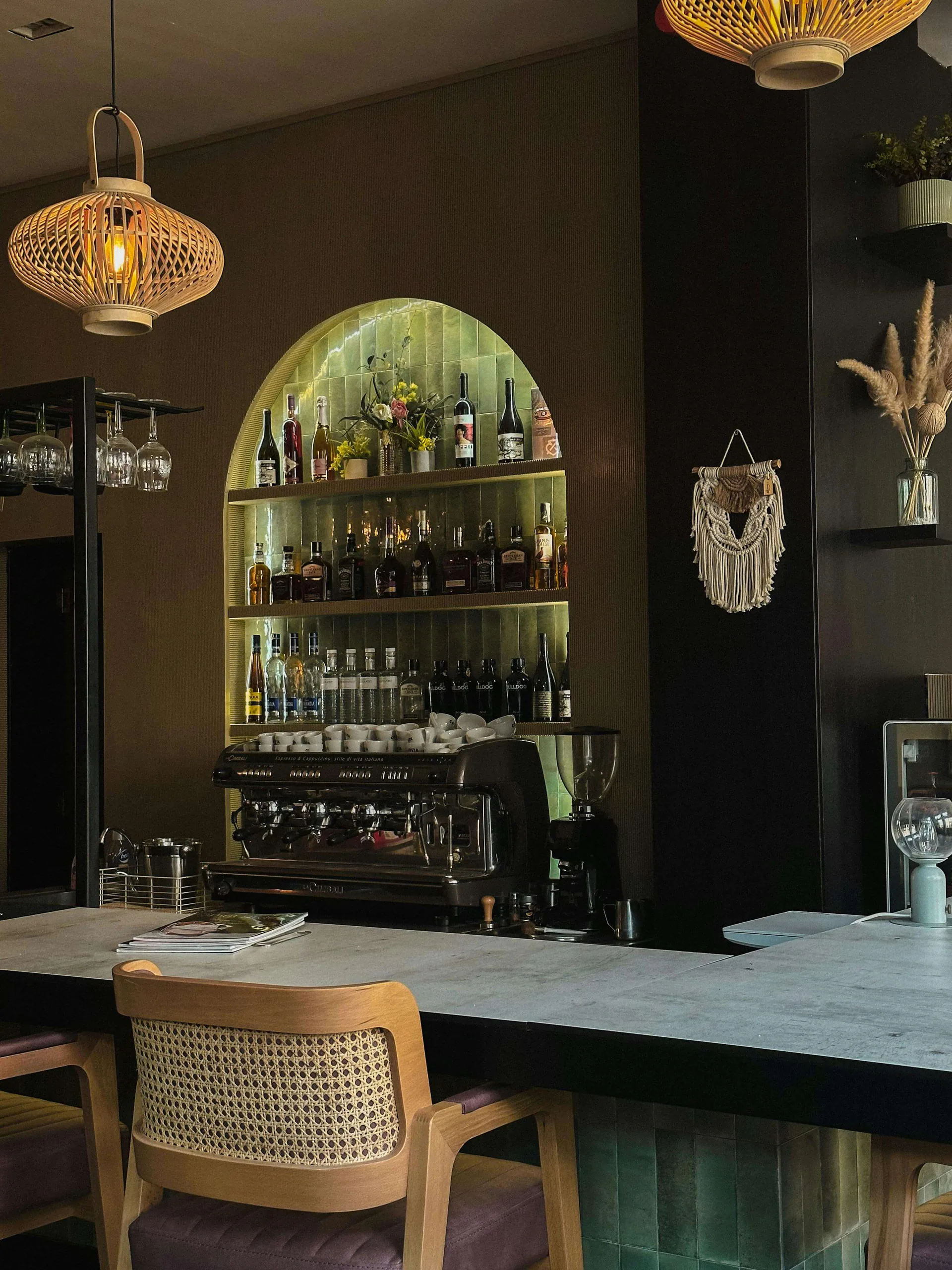
- Second-Generation Lease (2nd Generation): Restaurant infrastructure already in place: hood, grease trap, walk-in cooler, plumbing for prep sinks, and ventilation. The fastest and cheapest path to opening in Utah where new restaurant construction costs have risen substantially since 2020.
- Turnkey Restaurant Lease (Turnkey): Equipment, FF&E, and often a license history come with the lease. The operator takes over a near-complete operation and can open within weeks. Lease premium reflects the included infrastructure value.
- First-Generation Lease (1st Generation): Vanilla shell with no restaurant infrastructure. Requires full buildout including hood, grease trap, walk-in, and equipment. Typical buildout cost $200 to $500 per square foot in Utah. Higher upfront investment, full control over layout and brand expression.
For Owners & Brokers
Why Use Pepperlot to Find Restaurant Leases in Salt Lake City
Built exclusively for restaurant real estate. Not a general commercial platform with a restaurant filter.

Restaurant-Specific Search
Every listing on Pepperlot is a restaurant or F&B space, with operational filters for hood, grease trap, walk-in, patio, drive-thru, and infrastructure status.

Utah-Specific Detail
DABS license history, Limited Restaurant License vs full-service status, seating capacity, Utah Health Department permit notes, and city-specific zoning context for each {name} submarket.

Lease Market Context
Submarket rent ranges, typical concession packages, lease term norms, and the regulatory specifics that determine whether a Utah lease is workable for your concept.

Direct Landlord and Broker Contact
Reach the listing broker or landlord directly. No lead routing, no middlemen. Pepperlot is a listing platform that connects tenants with the parties that control the space.
Platform
How to Lease a Restaurant in Salt Lake City
What to expect when securing a restaurant lease in Salt Lake City.

Define Your Concept and Operating Model
Before browsing Salt Lake City lease space, define your cuisine, target check size, daypart focus (breakfast, lunch, dinner, late-night), seating capacity, and whether alcohol service is required. These decisions drive submarket selection and the infrastructure required in any leased space.

Filter by Submarket and Infrastructure
Salt Lake City lease rates run $22 to $65 per square foot annually across submarkets. Filter by neighborhood, square footage, hood specs, grease trap capacity, walk-in cooler size, and second-generation vs first-generation status. Every Pepperlot listing includes the operational details that matter.

Evaluate DABS License Feasibility
If your concept requires alcohol service, evaluate Utah DABS license feasibility before signing the lease. Full-service restaurant licenses (liquor, wine, beer) face statewide quota constraints. Limited Restaurant Licenses (beer and wine only) and Beer-Only Restaurant Licenses are more readily available. Salt Lake City's DABS application also requires local consent and can take several months. Building a no-license concept can be a faster path to opening.

Tour Spaces and Verify Infrastructure
Walk every space with a contractor familiar with Utah restaurant buildouts. Verify hood CFM matches your equipment plan, grease trap capacity matches your sewer flow, electrical service supports your load, and HVAC capacity matches your seating. Salt Lake City's older buildings often have infrastructure constraints that need expensive upgrades.

Negotiate Lease Terms and Sign
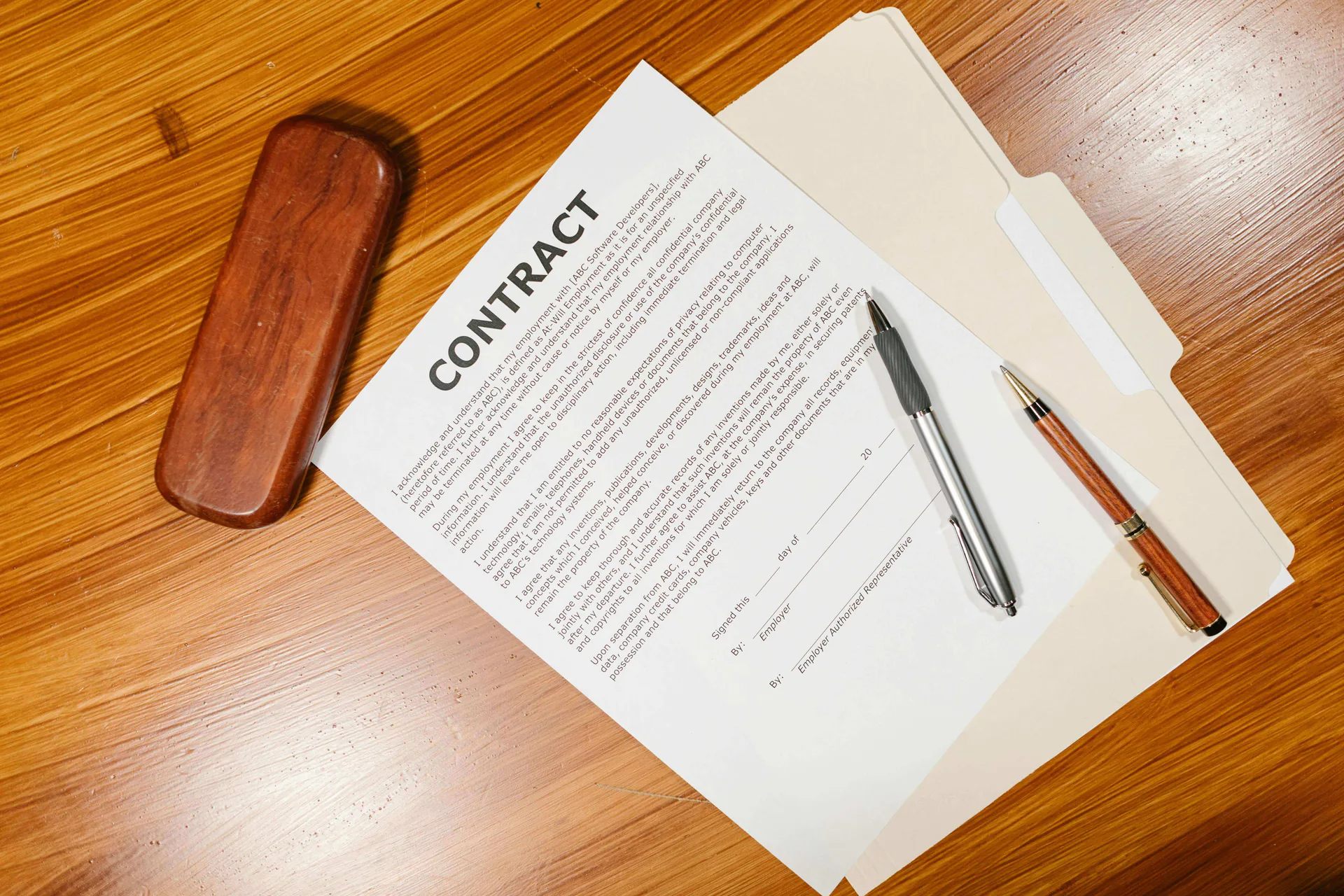
Utah restaurant leases typically run five to ten years with one or two five-year options. Negotiate free rent (two to six months is typical), tenant improvement allowance, exclusivity for your cuisine type within the center, signage rights, and the scope of personal guarantees. Have a Utah-licensed commercial real estate attorney review before signing.
About Pepperlot
Our Vision
Pepperlot exists to modernize how restaurant spaces are leased. By focusing exclusively on restaurant real estate, the platform eliminates noise from unrelated commercial listings and creates a marketplace built around real operational needs.
The goal is simple: better data, better matches, and better outcomes for restaurant operators and landlords.

Our Team
Who We Are
Pepperlot is a restaurant-only real estate and transaction platform built for operators, brokers, and landlords. The team combines marketplace technology with deep category focus to support leasing decisions ranging from single-location operators to multi-unit expansion.
Every feature, listing, and filter is designed to serve one purpose: making restaurant lease transactions clearer, faster, and more informed.
Frequently Asked Questions
How much does it cost to lease a restaurant in Salt Lake City?
Salt Lake City restaurant lease rates run $22 to $65 per square foot annually depending on the corridor, age of the space, and infrastructure already in place. Walkable premium corridors command the high end of that range. Suburban and outer-neighborhood corridors offer the most accessible rates. Beyond base rent, tenants should factor in CAM (common area maintenance), property tax pass-through, insurance, and any landlord-required tenant improvements.
What's the difference between a second-generation and a first-generation restaurant space in Salt Lake City?
A second-generation space already has restaurant infrastructure in place: hood, grease trap, walk-in cooler, plumbing for prep sinks, ventilation, and often FF&E. First-generation (vanilla shell) requires building all of that from scratch, which typically adds $200 to $500 per square foot in buildout costs and several months to opening. Salt Lake City's second-generation lease inventory is particularly valuable given Utah's construction cost environment and the rising cost of new restaurant infrastructure.
How do liquor licenses work for restaurant tenants in Utah?
Utah liquor licenses do not transfer with a lease. Tenants planning alcohol service must apply for and receive a new license through the Department of Alcoholic Beverage Services (DABS) regardless of any license history at the property. Utah operates a statewide population-based quota: full-service restaurant licenses currently allocated at approximately 1 per 4,467 residents (scaling to 1 per 3,167 by 2031), bar licenses at 1 per 10,200 (scaling to 1 per 7,264). Bar licenses are particularly scarce. Restaurants licensed for alcohol service operate under the 70/30 food sales rule (alcohol revenue cannot exceed 30 percent of combined food and alcohol revenue).
What lease terms are standard for Salt Lake City restaurants?
Salt Lake City restaurant leases typically run five to ten year initial terms with one or two five-year renewal options. Triple-net (NNN) structures are standard, meaning the tenant pays base rent plus their proportionate share of property tax, insurance, and CAM. Personal guarantees are common and the scope varies by landlord (some require full guarantees, others limit to a fixed number of months of rent). Free rent periods of two to four months are typical for second-generation space and can extend to six or more for first-generation buildouts.
What should I confirm before signing a Salt Lake City restaurant lease?
Confirm the use clause specifically permits your cuisine and any alcohol service planned. Verify DABS license feasibility for your concept and submarket before signing if alcohol service is essential. Verify Utah Health Department permitting feasibility for the proposed layout. Confirm hood capacity, grease trap capacity, and electrical capacity match your equipment plan. Check the Salt Lake City city zoning and any pending entitlement work. Review CAM history for the past three years to gauge realistic occupancy cost growth.