Confirm the space fit
Compare hood, grease trap, walk-in, seating, patio, parking, utilities, and build-out condition before touring.

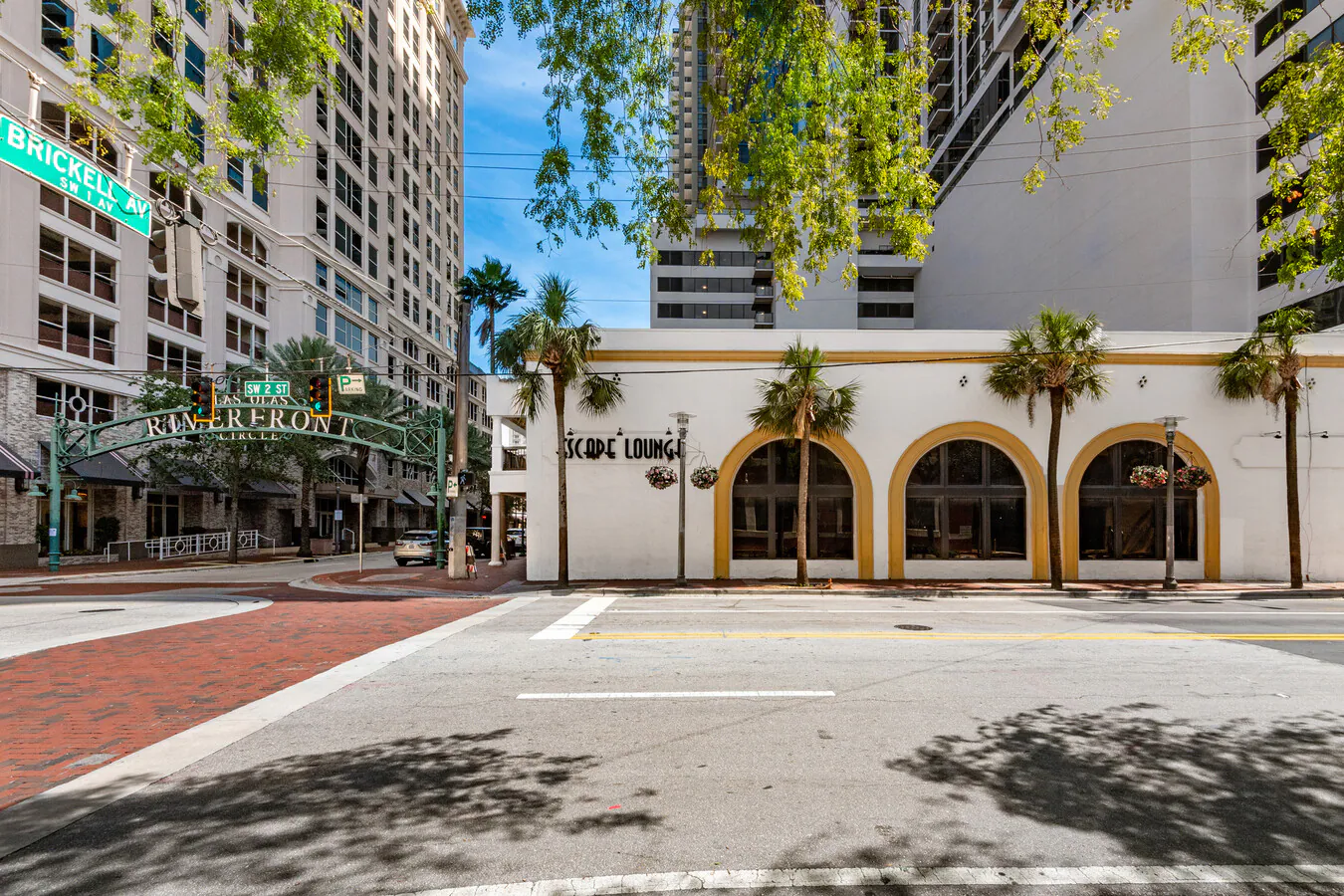
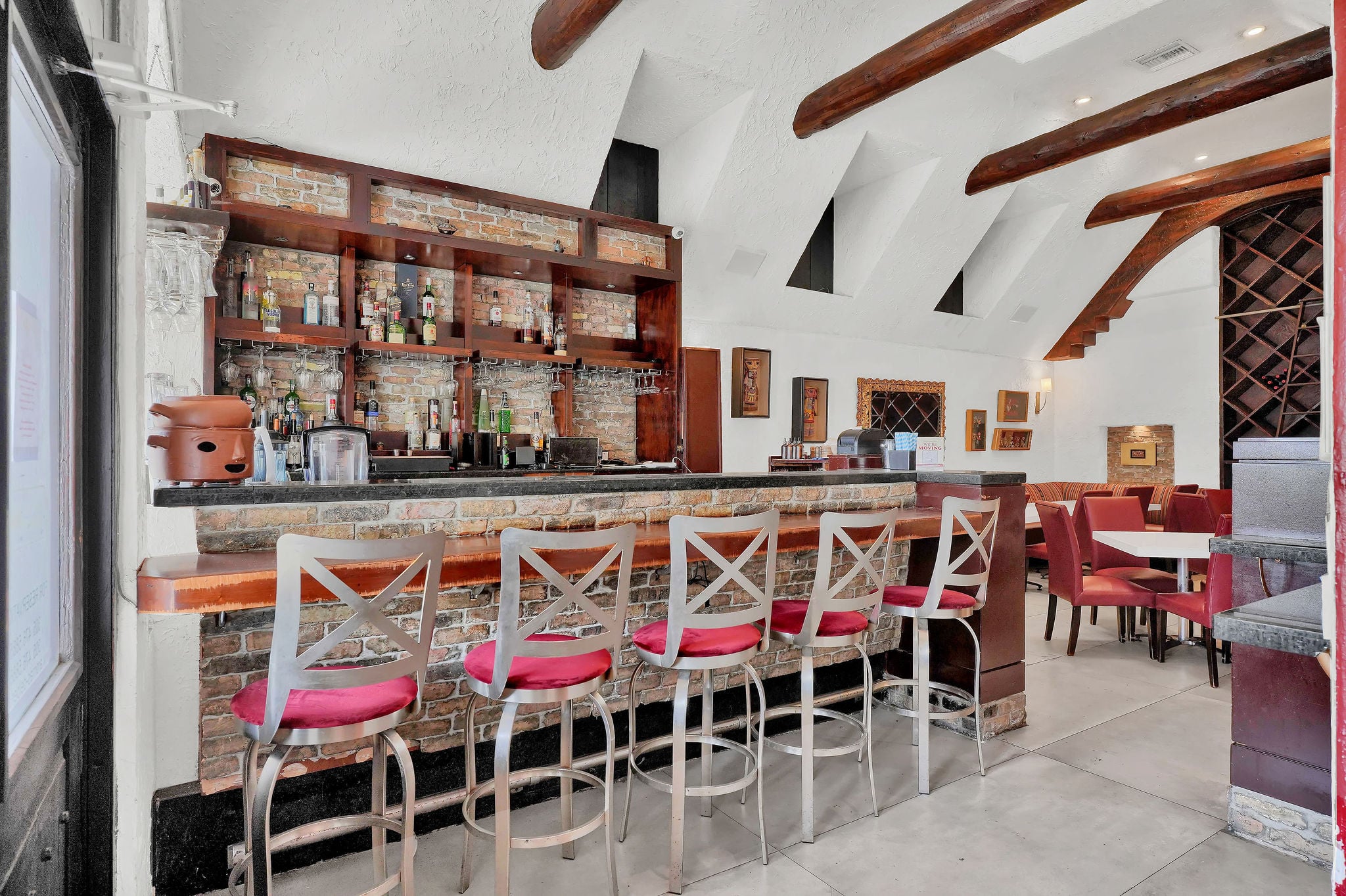
Review restaurant spaces for lease, second-generation build-outs, assignments, and subleases in Miami.
Browse all restaurant space for lease nationwide on PepperLot.
Compare acquisition options for the same market without leaving this city guide.
Related Formats
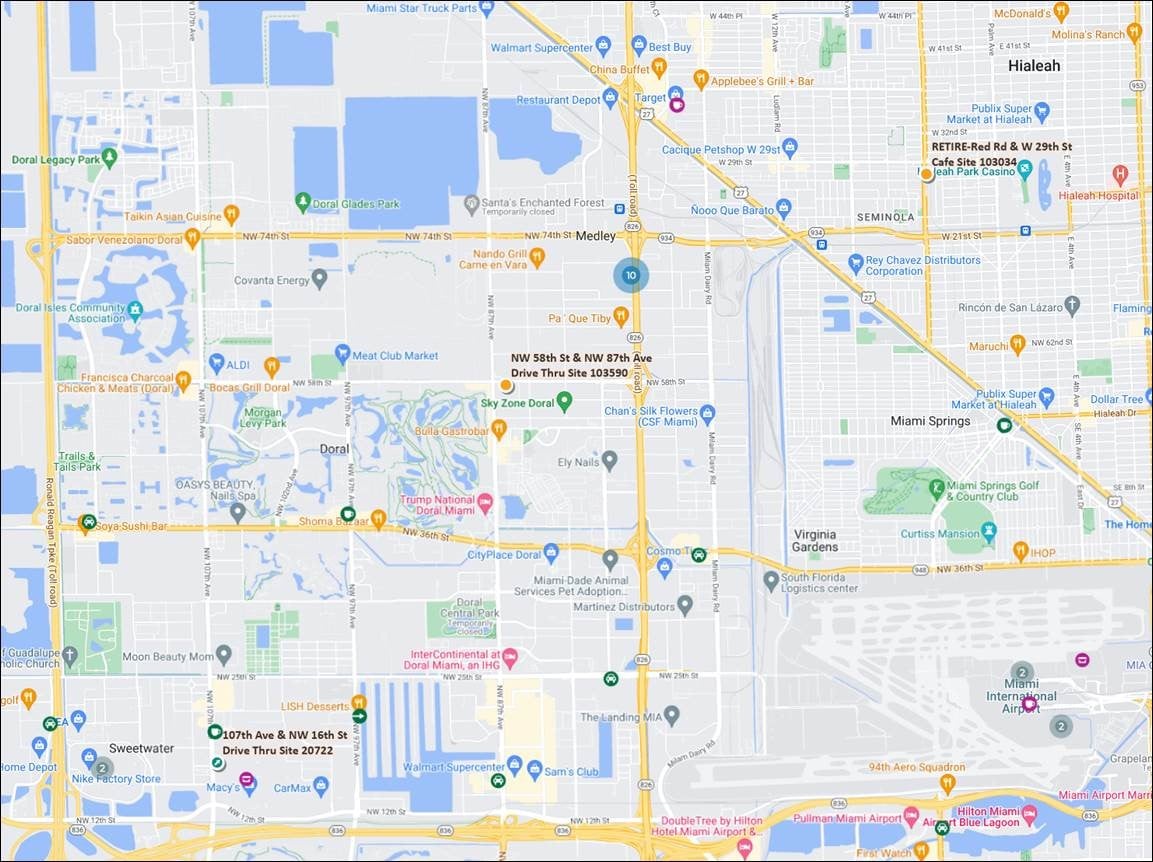
Map view
Available Listings
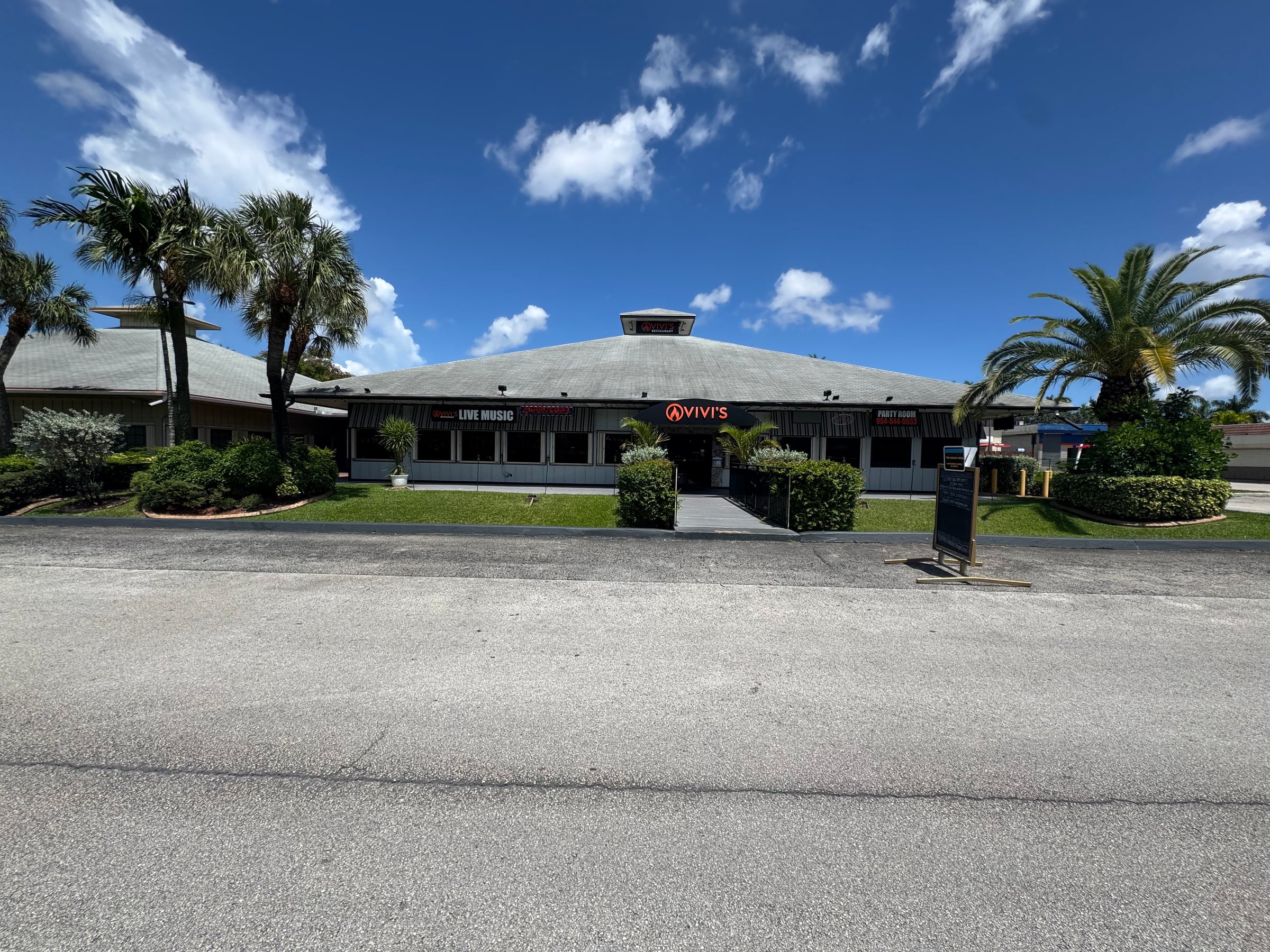
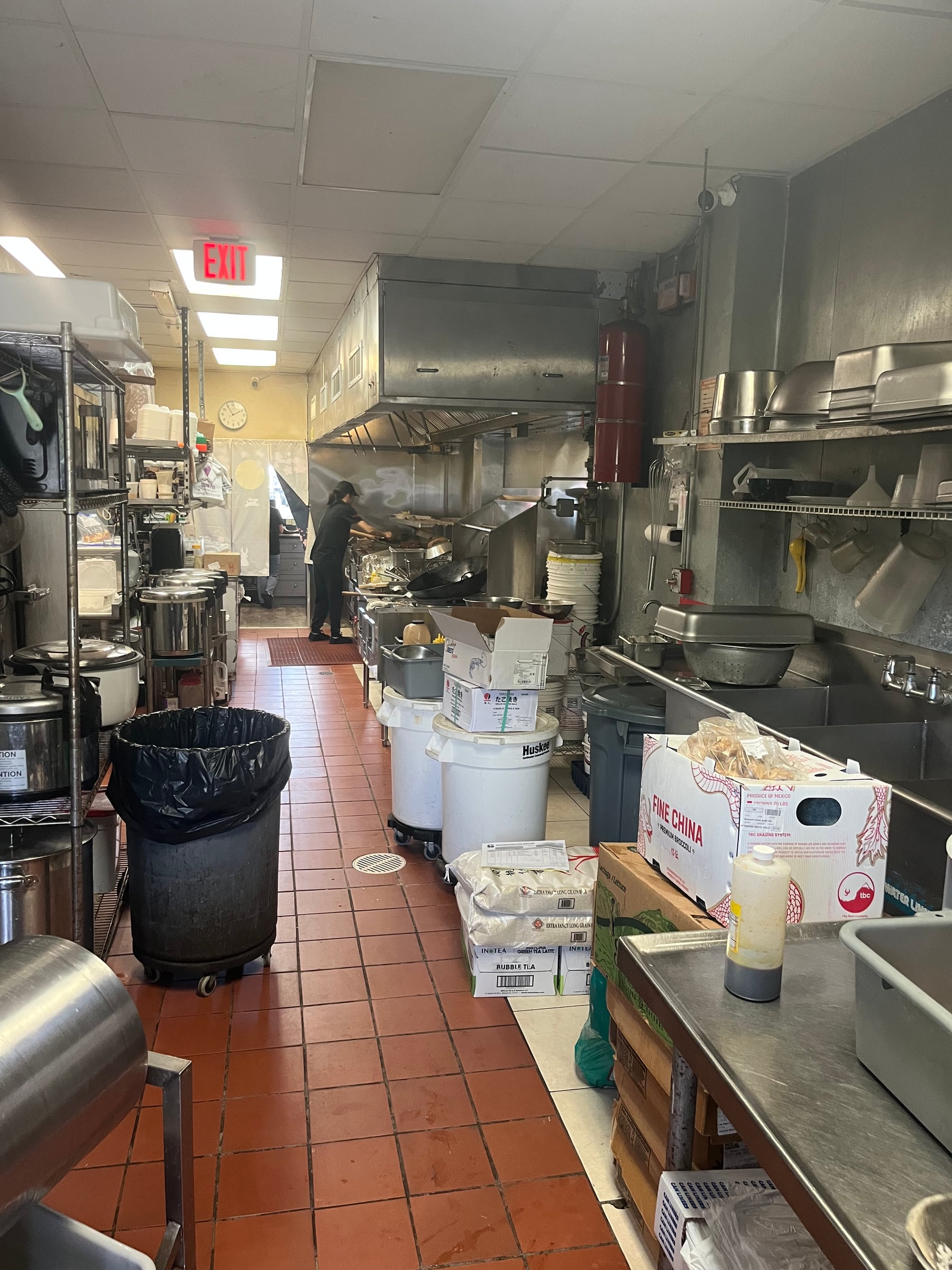
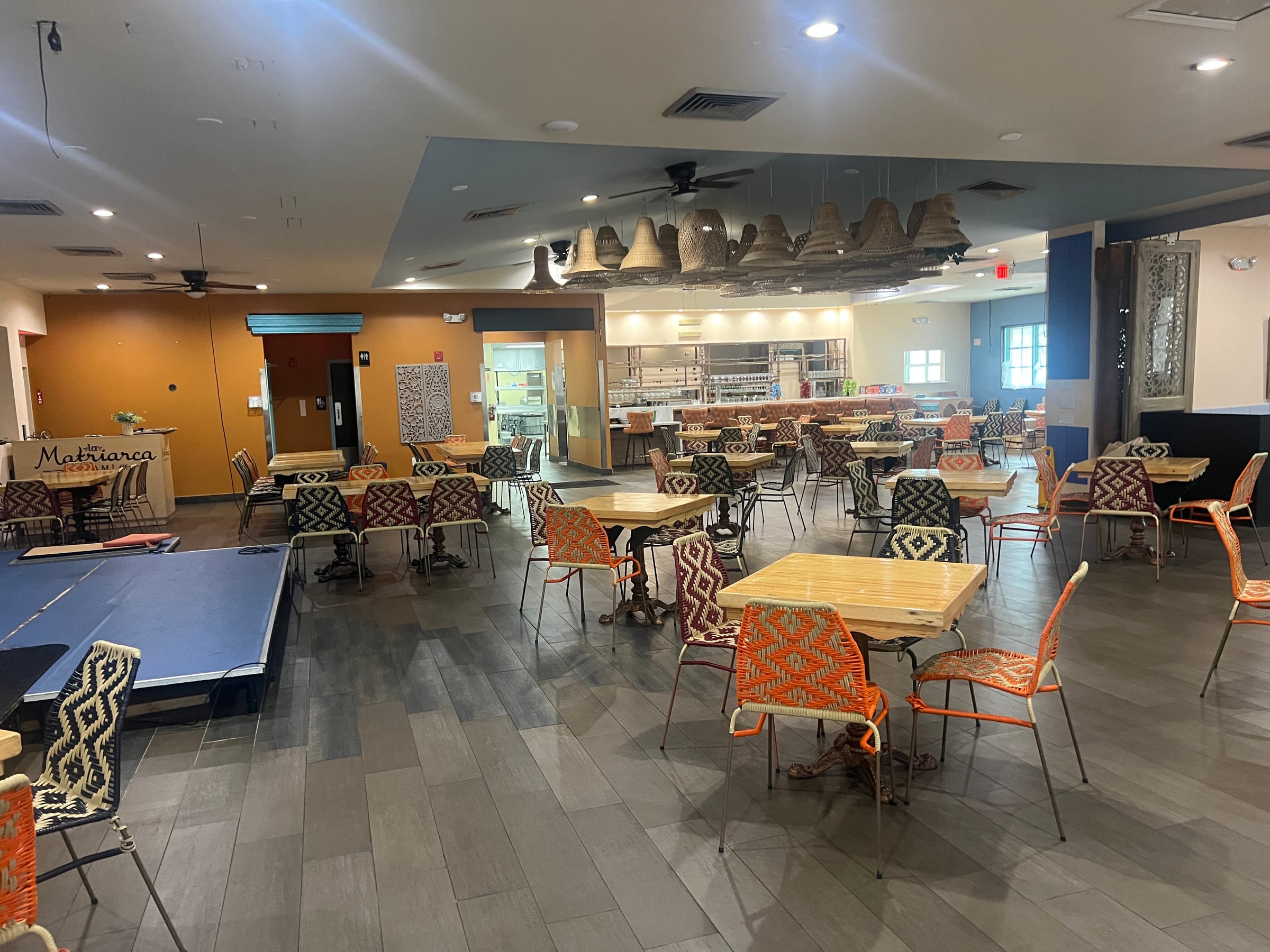
Restaurant spaces, subleases, and second-generation lease opportunities nearby.
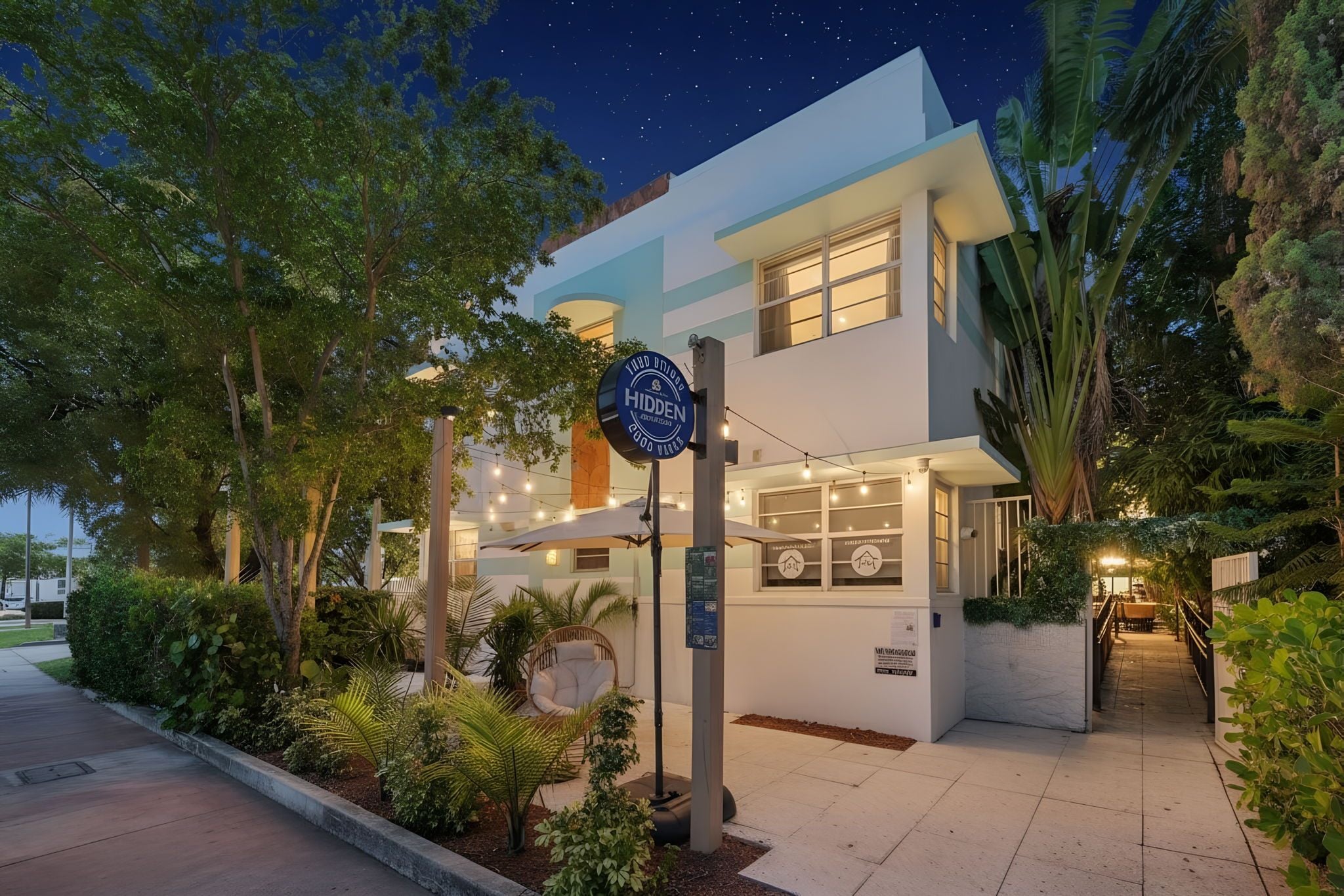
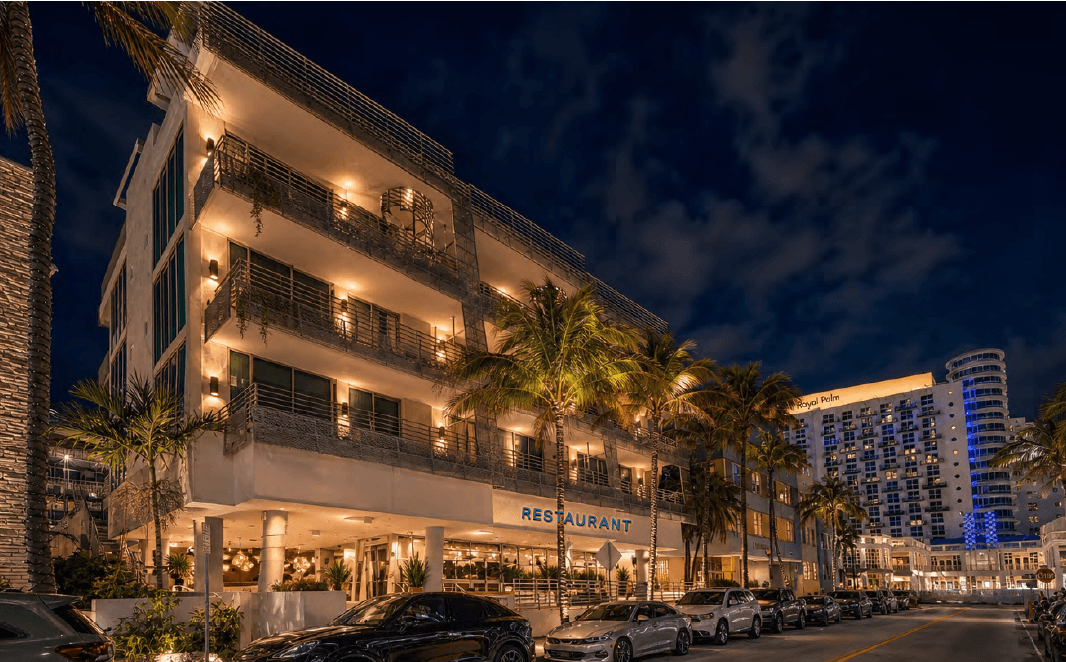

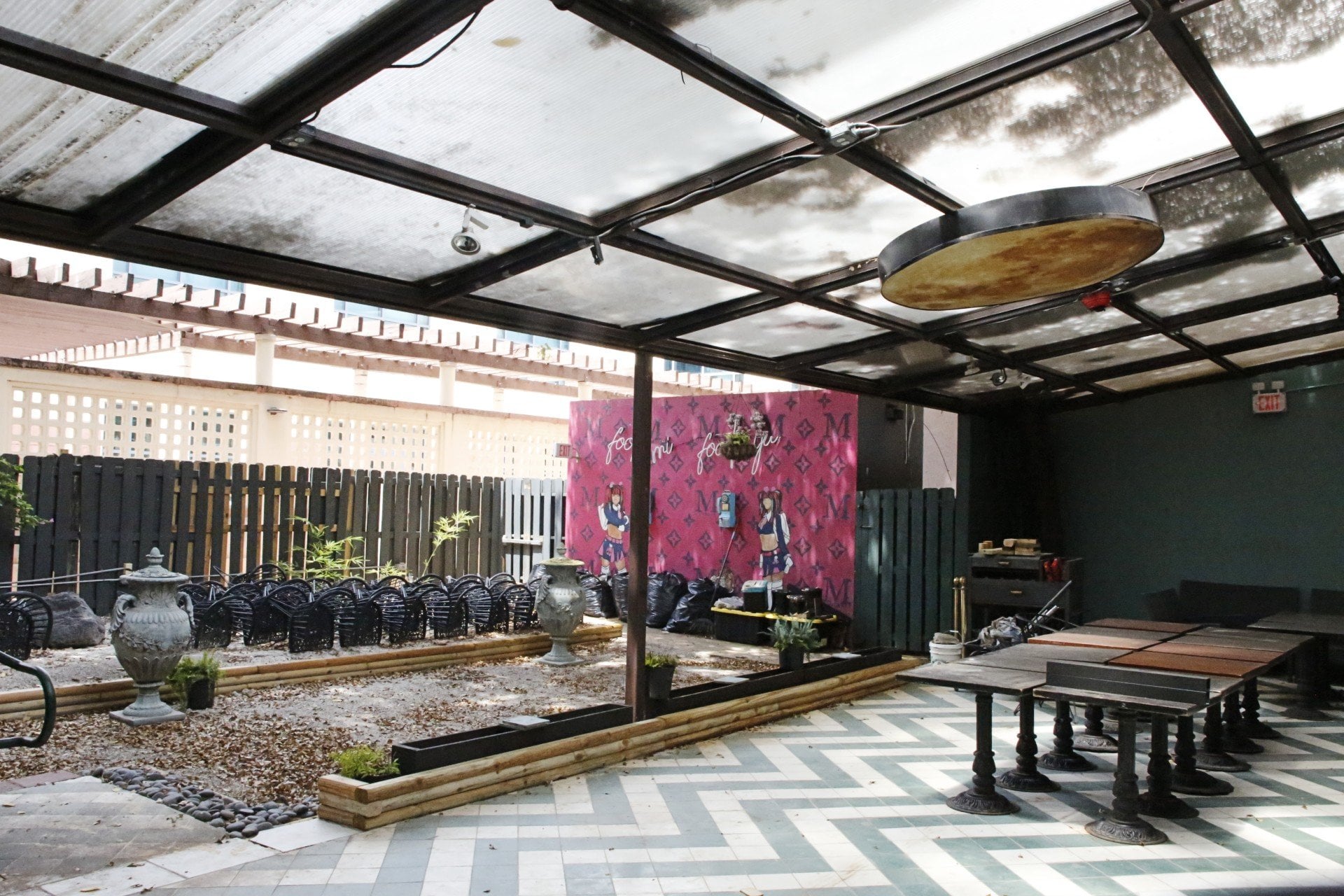
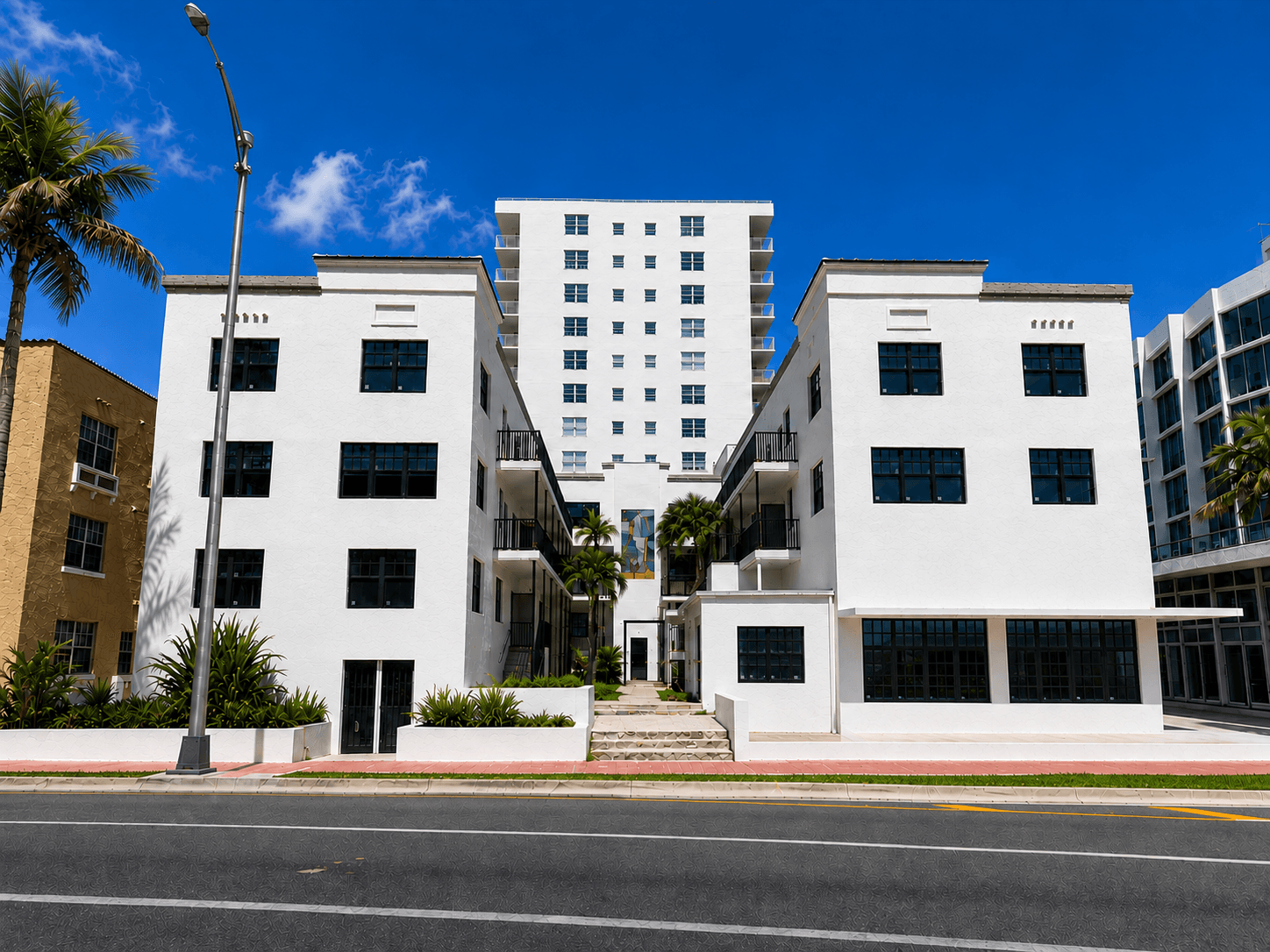
Market Context
Miami is the most international restaurant market in the United States. More than half the population speaks Spanish at home, and a meaningful share of customers in tourist heavy submarkets come from Latin America, Europe, and the Caribbean. Concepts that succeed here typically lean into rather than away from that international identity.
Lease rates in Miami Beach, Brickell, and the Design District are among the highest in the country at $70 to $95 per square foot annually. Wynwood and Coconut Grove typically run $50 to $75. Submarkets like Little Havana, Edgewater, and parts of Allapattah remain more accessible at $40 to $60 per square foot, often with second generation infrastructure already in place.
Seasonality is real but smaller than buyers expect. Miami's tourism is dense from December through April but does not collapse in summer the way it does on the Gulf Coast. Local population growth, a strong cruise industry, and a steady flow of international visitors keep revenues meaningfully above zero year round, particularly in residential submarkets.
Local Links
Miami's restaurant submarkets each carry distinct customer bases, lease economics, and concept fit. Choosing the right one matters as much as the concept itself.
Tenant Guide
Compare hood, grease trap, walk-in, seating, patio, parking, utilities, and build-out condition before touring.
Ask whether the rentable opportunity is a direct lease, assignment, sublease, or turnkey build-out with existing restaurant infrastructure.
Confirm landlord consent, use approvals, health permits, alcohol licensing, signage, and local inspections for the address.
Compare base rent, NNN, tenant improvements, equipment needs, deposits, and permit costs before submitting an offer.
For Owners & Brokers
Built exclusively for restaurant real estate.
Every listing on Pepperlot is a restaurant or F&B space. No warehouses, offices, or unrelated commercial properties diluting your Miami search.
Hood systems, grease traps, walk-in coolers, DBPR permits, alcohol licenses, seating capacity, patio availability. The details that drive restaurant decisions are in every listing.
Cuisine gap analysis, demographic data, and competitive landscape information for Miami. Make a more informed decision before committing capital or signing a lease.
Some of the best Miami restaurant opportunities are listed confidentially. Pepperlot gives you access to off market opportunities not available on general platforms.
Platform
A step-by-step approach to acquiring your next location.
Filter Miami restaurant spaces by submarket, size, lease rate, and specific features like hood systems, grease traps, outdoor seating, and existing DBPR license eligibility. Every listing includes the operational details that matter for restaurant tenants.
Second generation restaurant spaces save $150,000 to $500,000 in build out costs. Confirm the existing hood type, grease trap capacity, plumbing condition, and electrical capacity match your concept's requirements before committing.
Each listing displays the contact details for the landlord or listing broker. Reach out directly. Ask for the lease term, base rent, CAM charges, NNN structure, tenant improvement allowance, and any operational restrictions. Miami landlords vary significantly in flexibility.
Miami restaurant lease rates range from $40 to $95 per square foot annually. Negotiate beyond just the base rent. Personal guarantee structure, free rent periods, tenant improvement allowance, and renewal options often have more economic impact than base rent reductions.
About PepperLot
PepperLot organizes restaurant space searches around the details tenants need in Miami: build-out condition, hood, grease trap, seating, rent structure, and permit context.

Miami restaurant lease rates run roughly $40 to $95 per square foot annually, depending on submarket. Prime locations command the higher end of the range. NNN structures with CAM charges typically add $8 to $18 per square foot annually.
On Pepperlot, the most active Miami submarkets for lease listings are South Beach, Wynwood and Design District, Brickell. Each carries different lease rates, customer bases, and concept fit. Choose the submarket where your concept aligns with the existing or growing customer mix.
A second generation space in Miami is one that previously operated as a restaurant and retains the hood system, grease trap, plumbing, and venting infrastructure. These spaces save tenants $150,000 to $500,000 in build out costs and are the fastest path to opening, particularly in Miami's established submarkets.
Yes. Most Miami restaurant leases are NNN, meaning the tenant pays property taxes, insurance, and CAM on top of base rent. CAM charges in Miami shopping centers and mixed use developments typically add $8 to $18 per square foot annually. Always request the most recent CAM reconciliation.
If your concept will serve alcohol, yes. The DBPR issues 4COP, 2COP, and SRX licenses for Florida restaurants. Some Miami leases include the existing license in the assignment. Others require the tenant to apply separately. Confirm with the landlord and DBPR before signing.
Yes. Listing on Pepperlot is free. Create a Miami-specific listing with the hood system type, grease trap status, square footage, lease rate, and CAM charges. Confidential options are available for landlords replacing struggling tenants without alerting current staff.