
Confirm the space fit
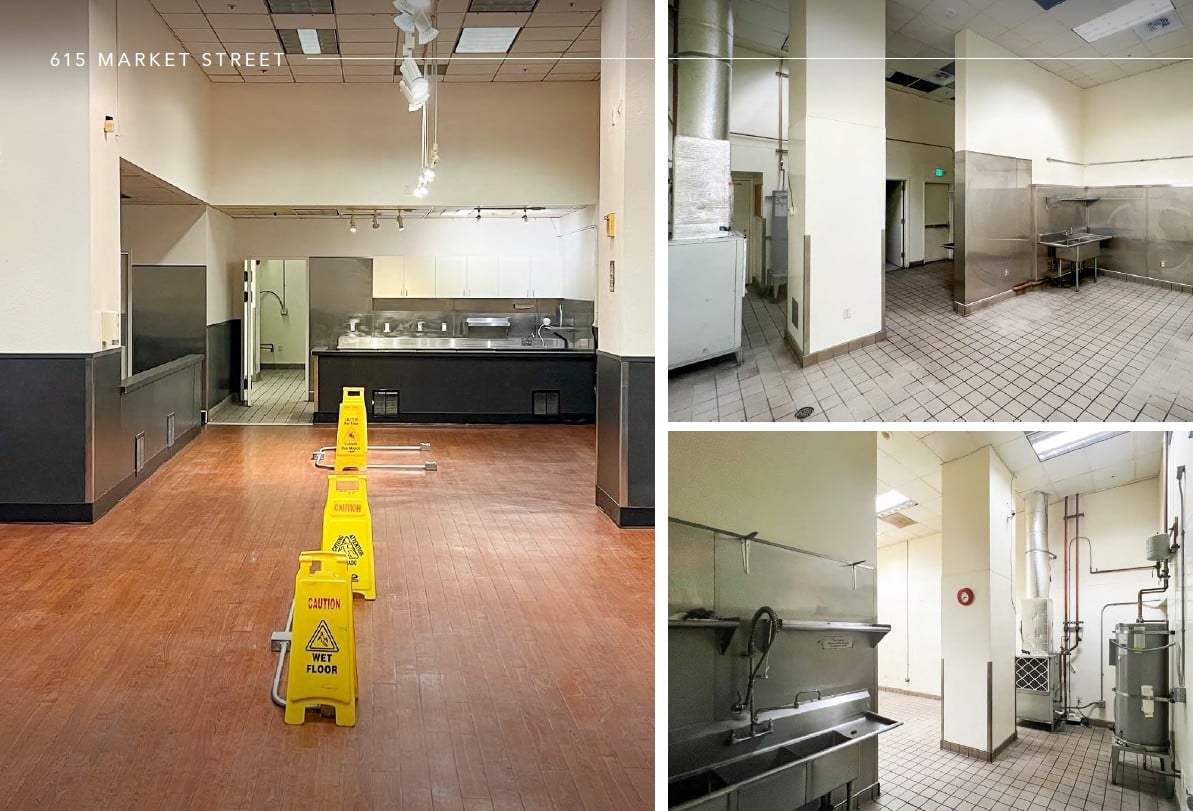
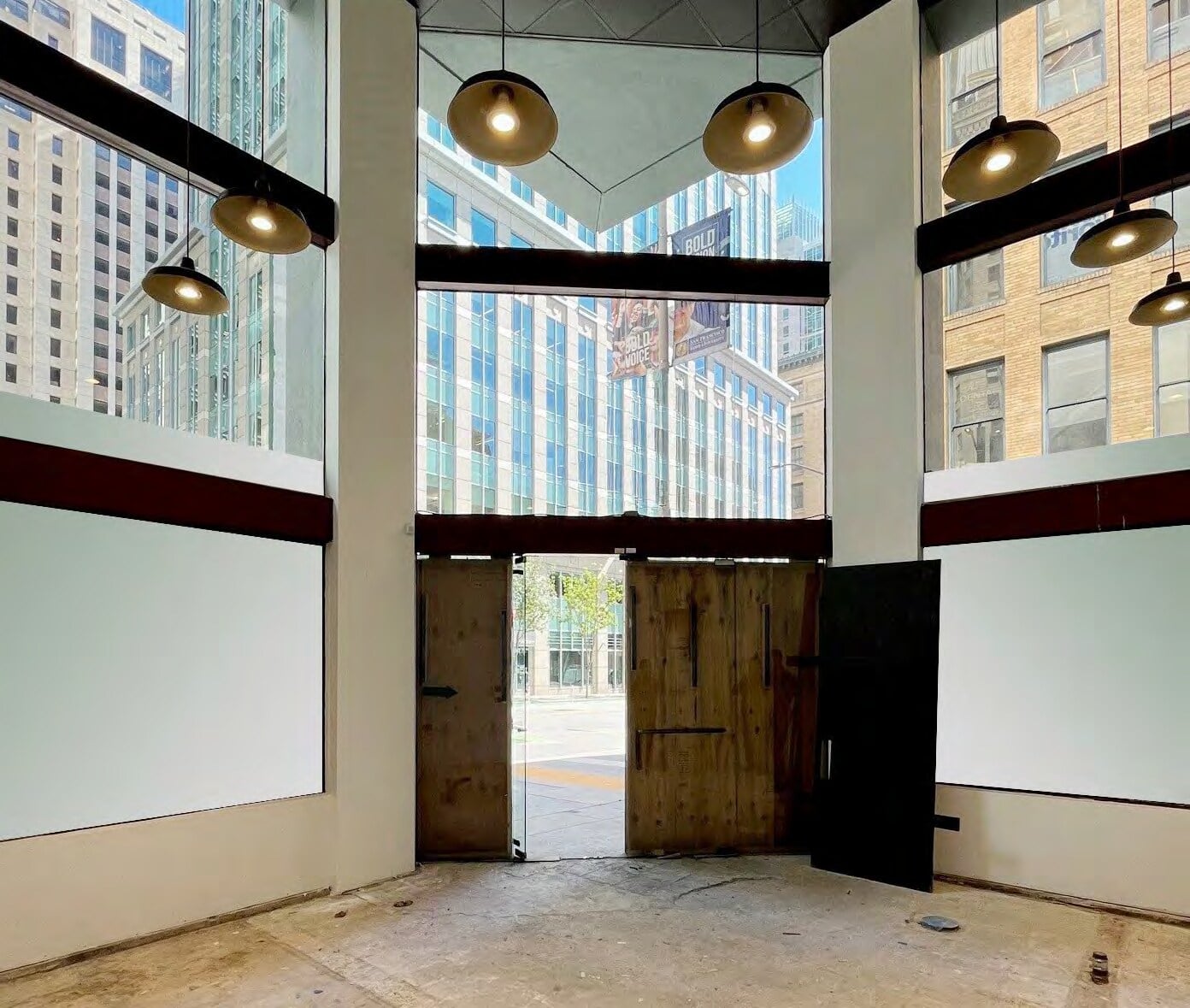
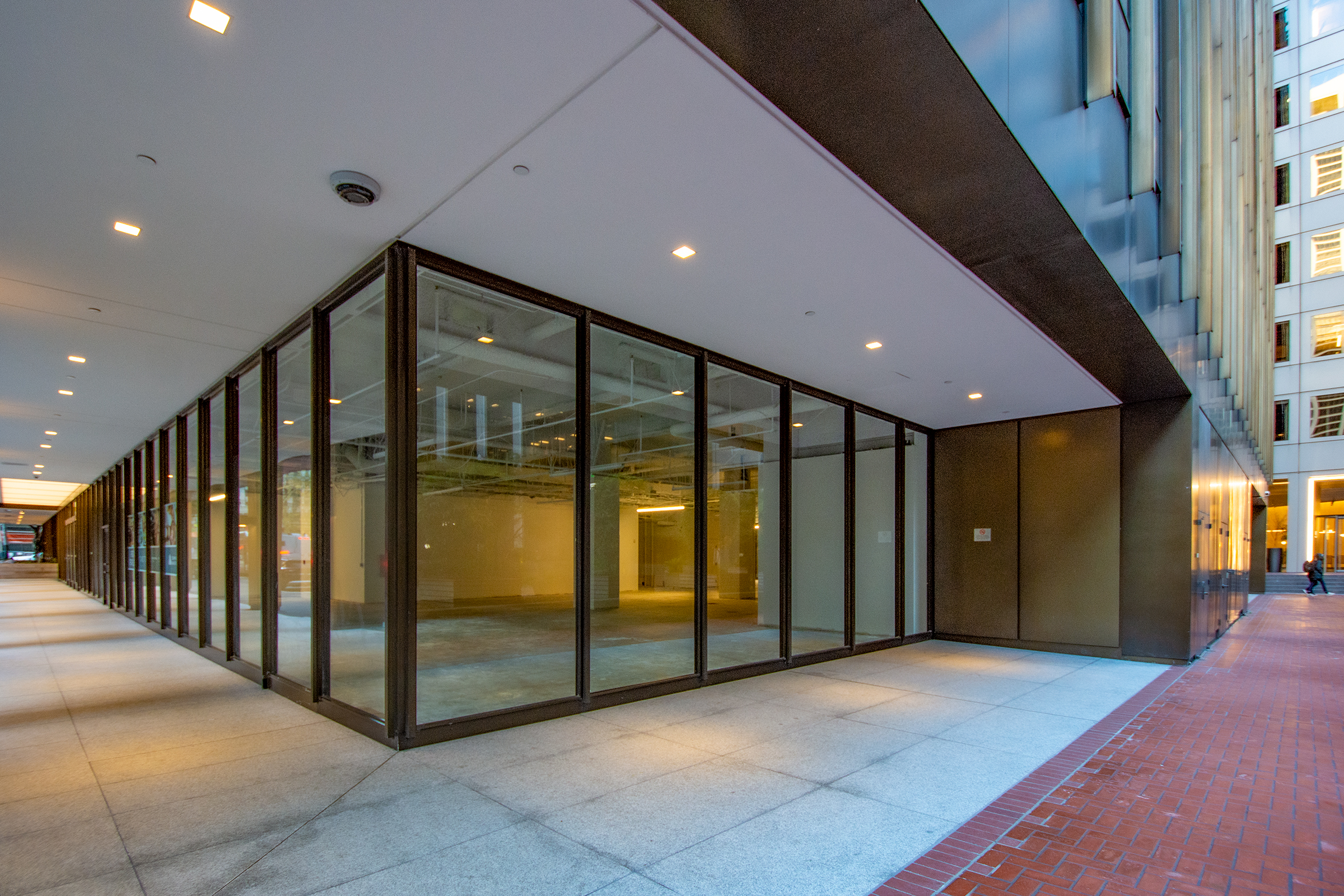
Compare hood, grease trap, walk-in, seating, patio, parking, utilities, and build-out condition before touring.

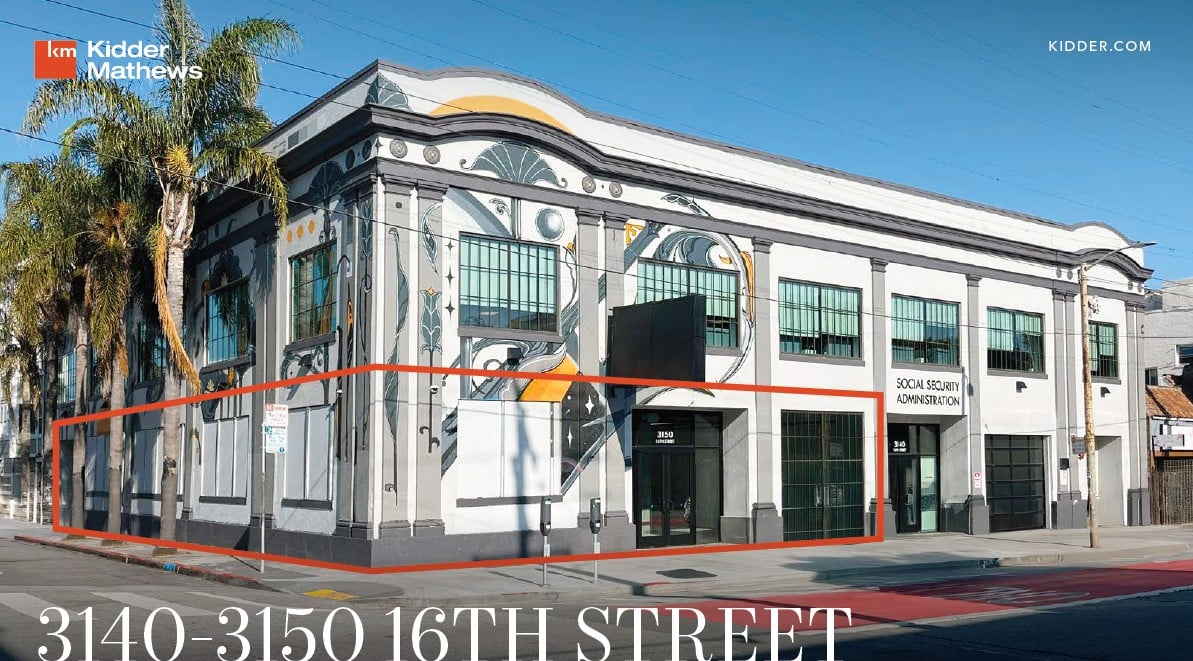
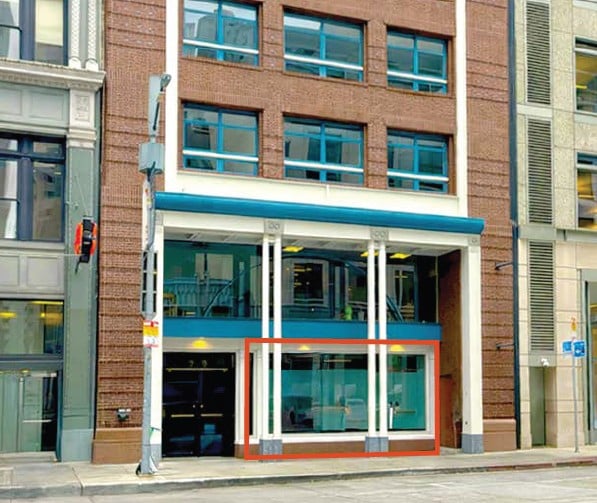
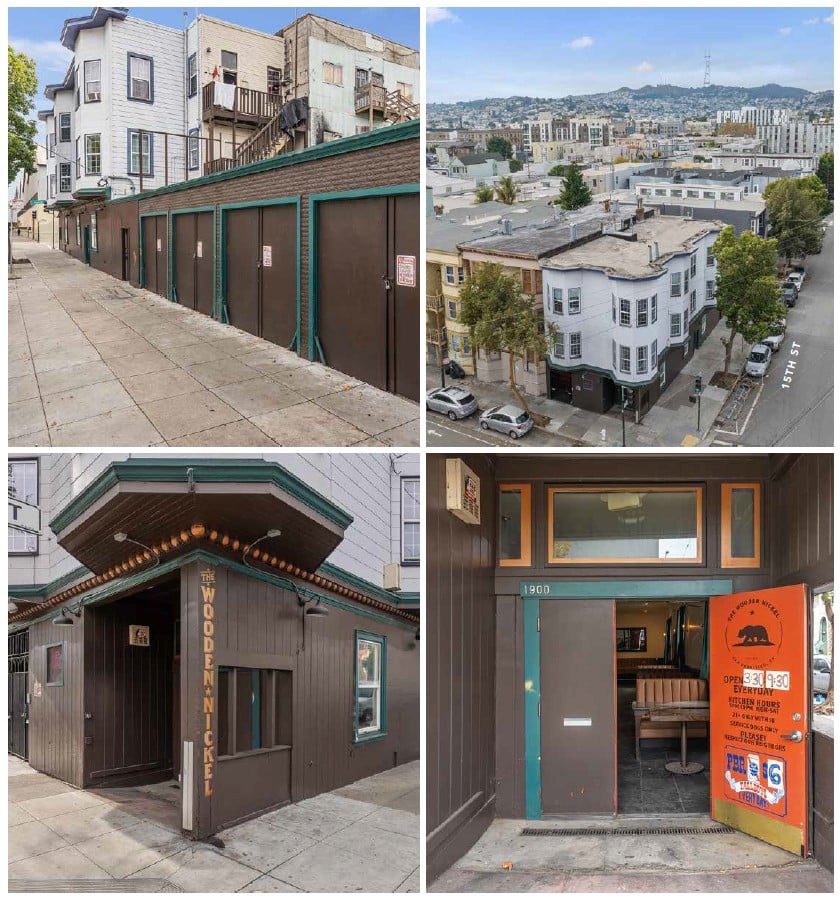
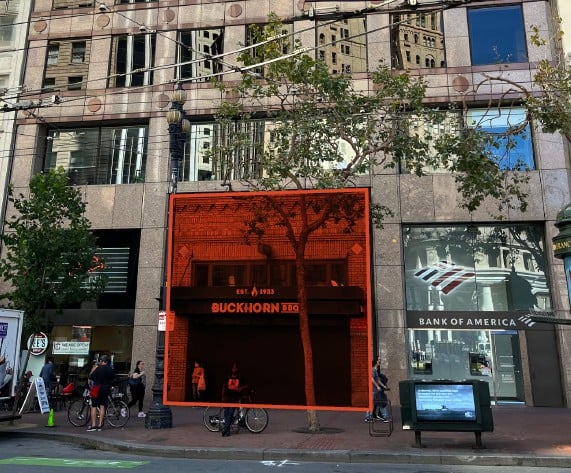
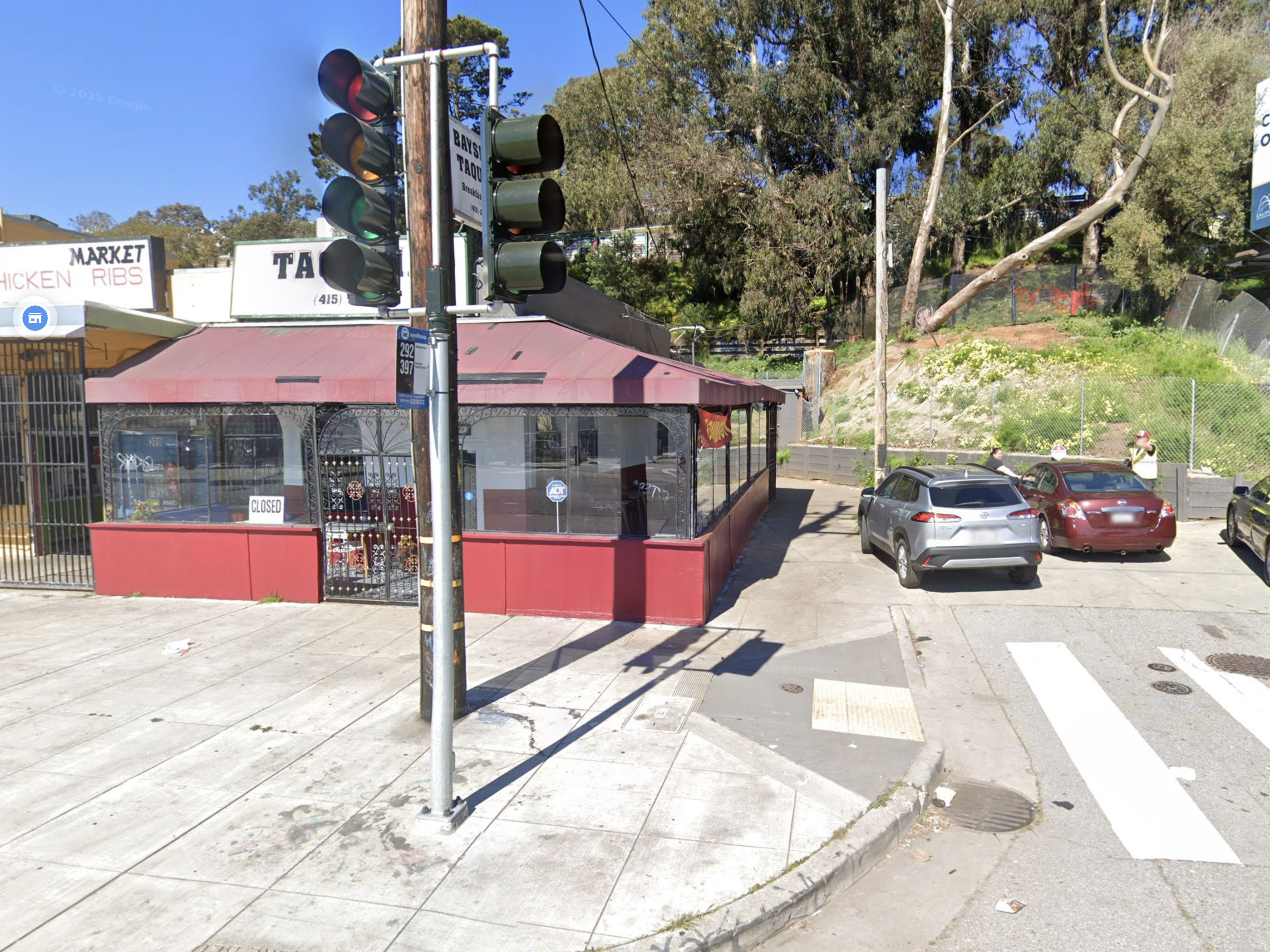
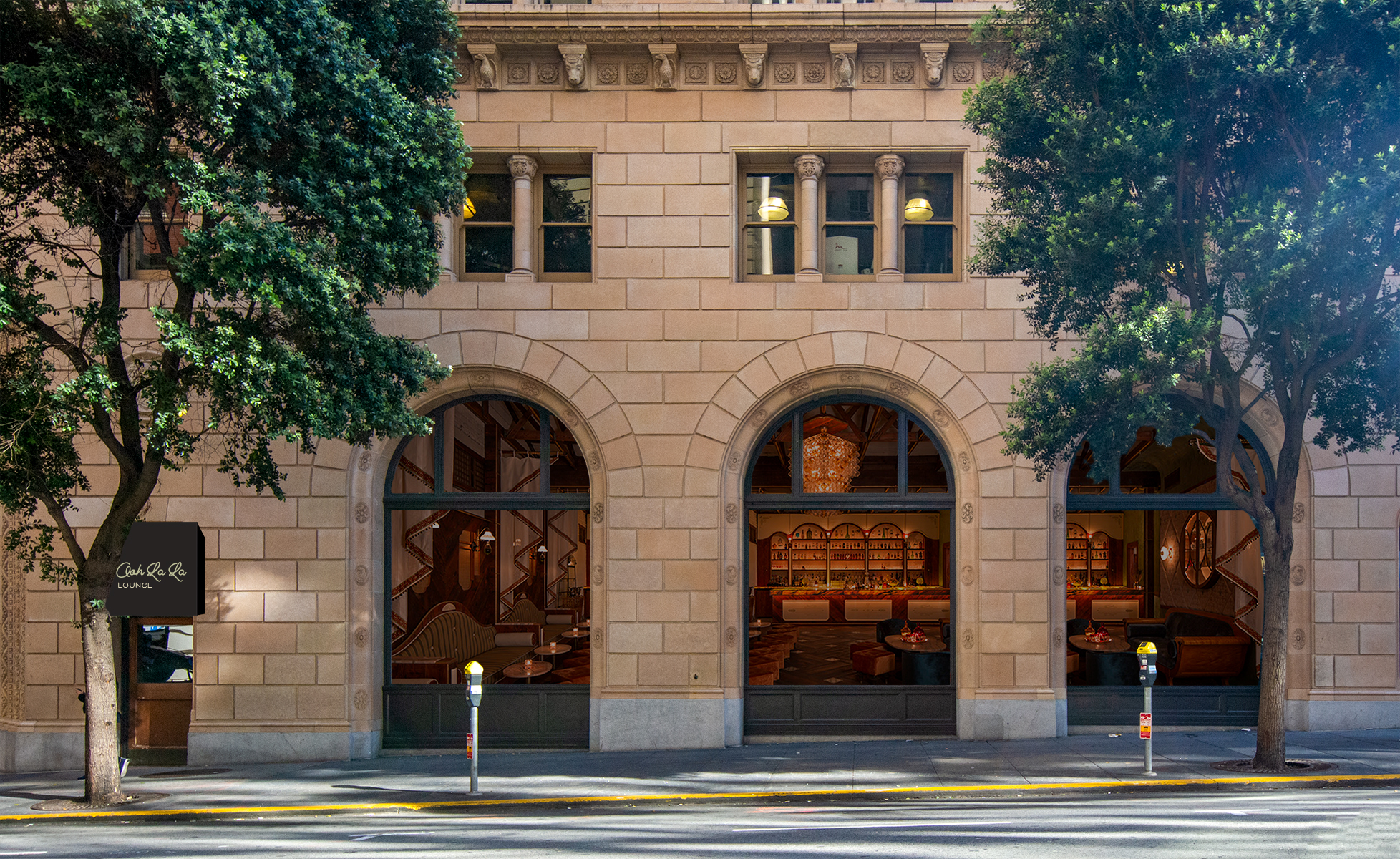
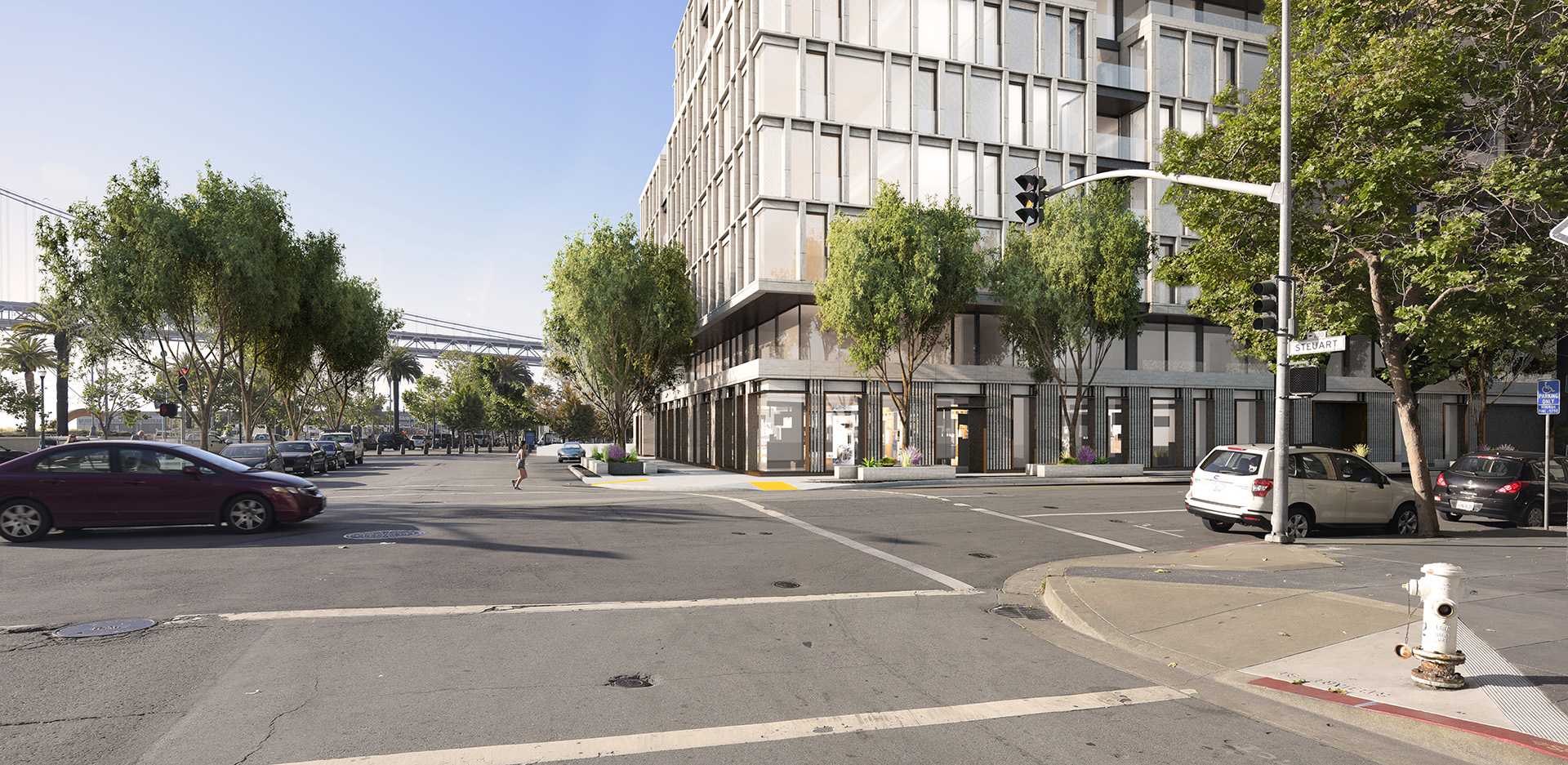
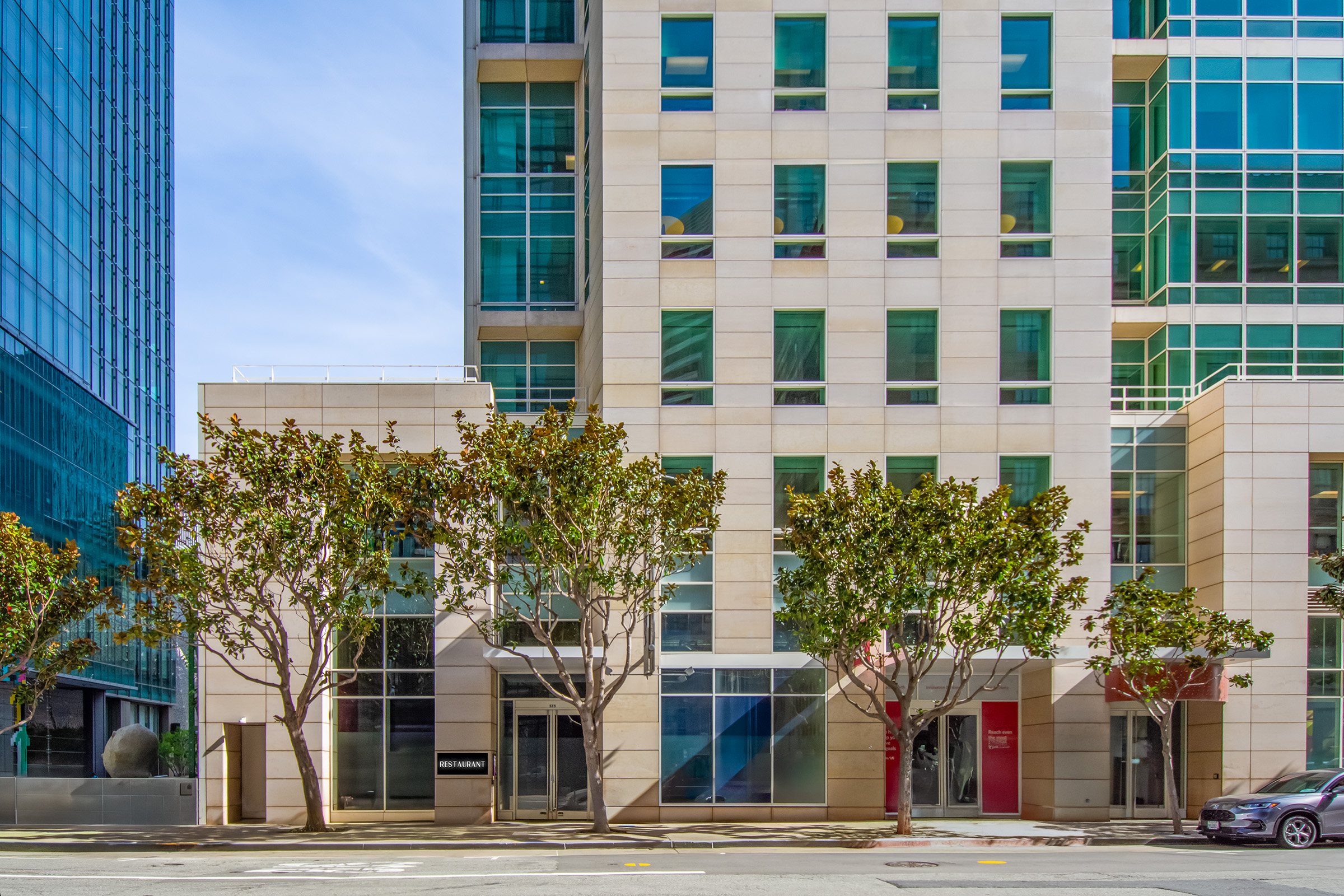
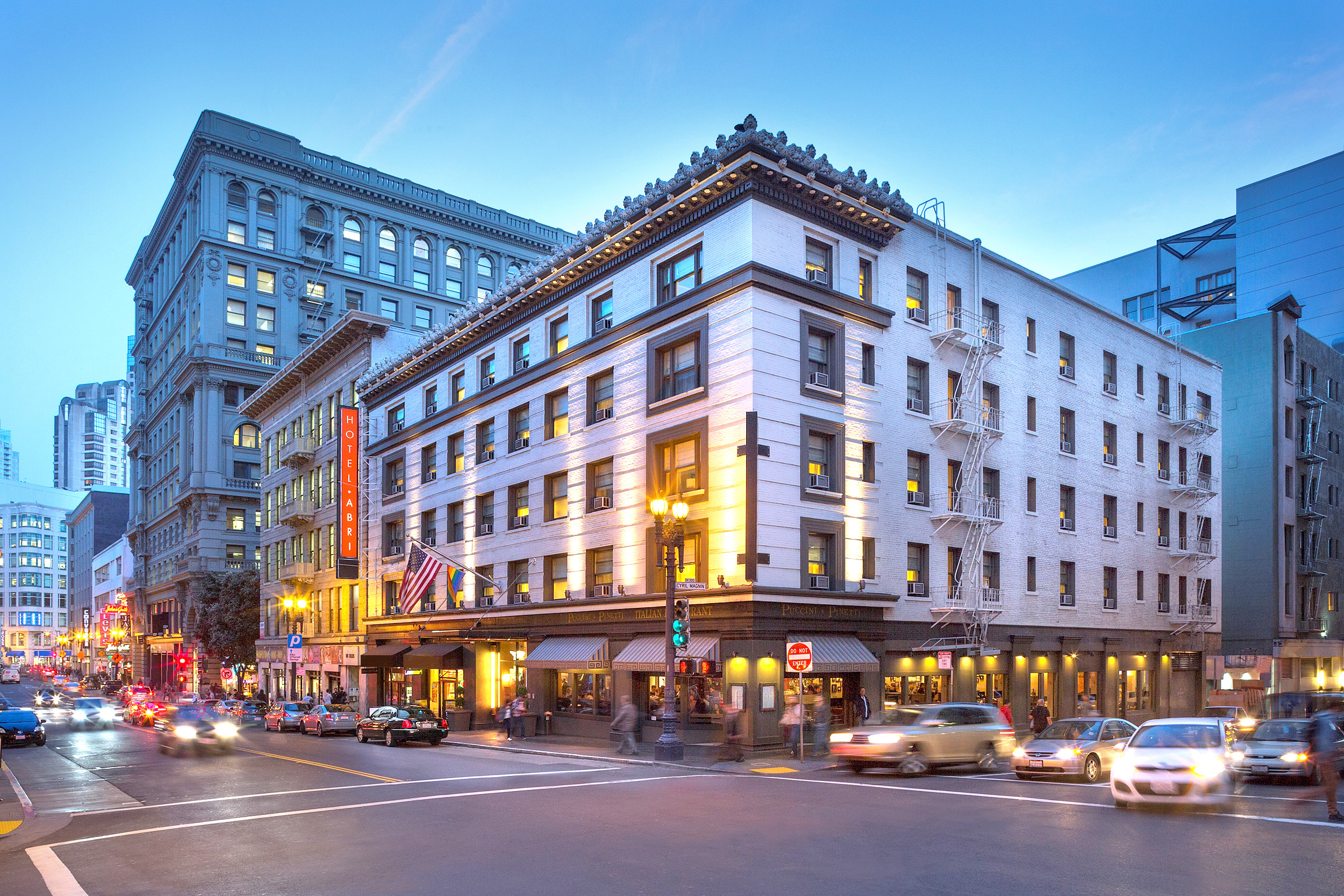
Market Context
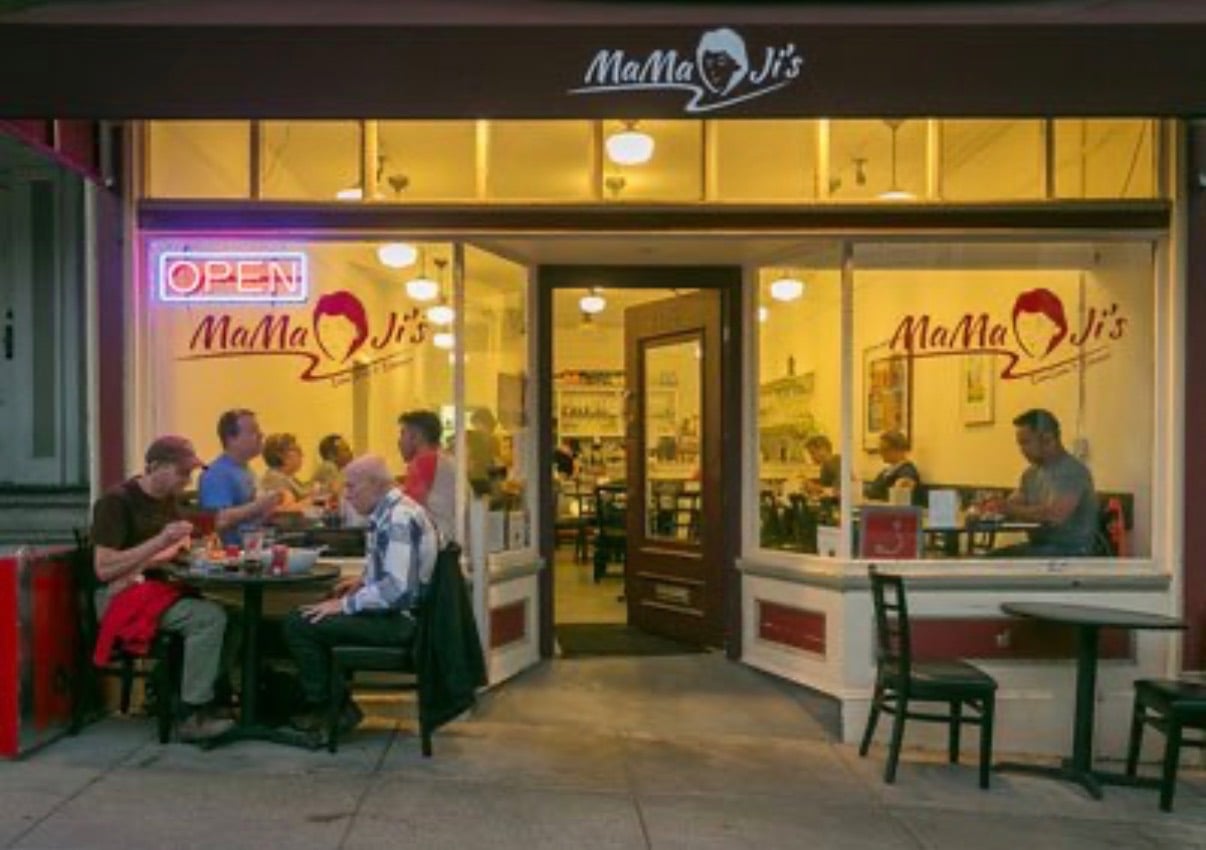
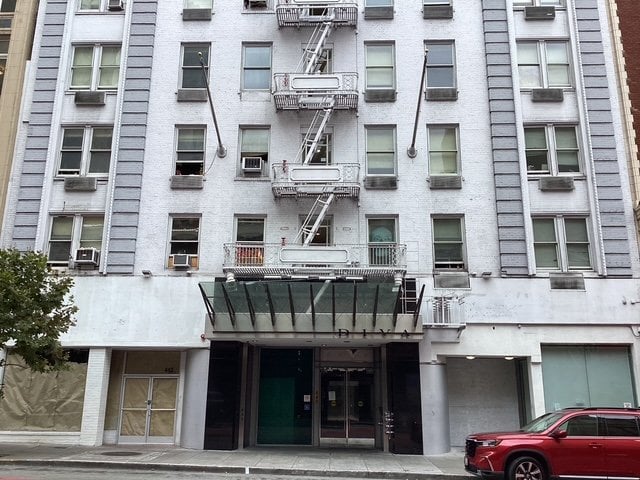
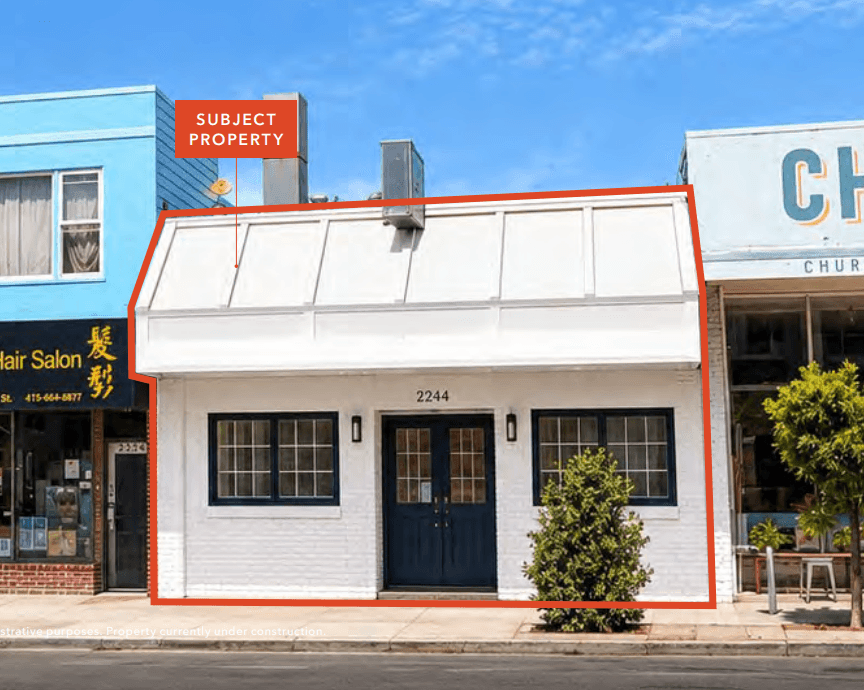
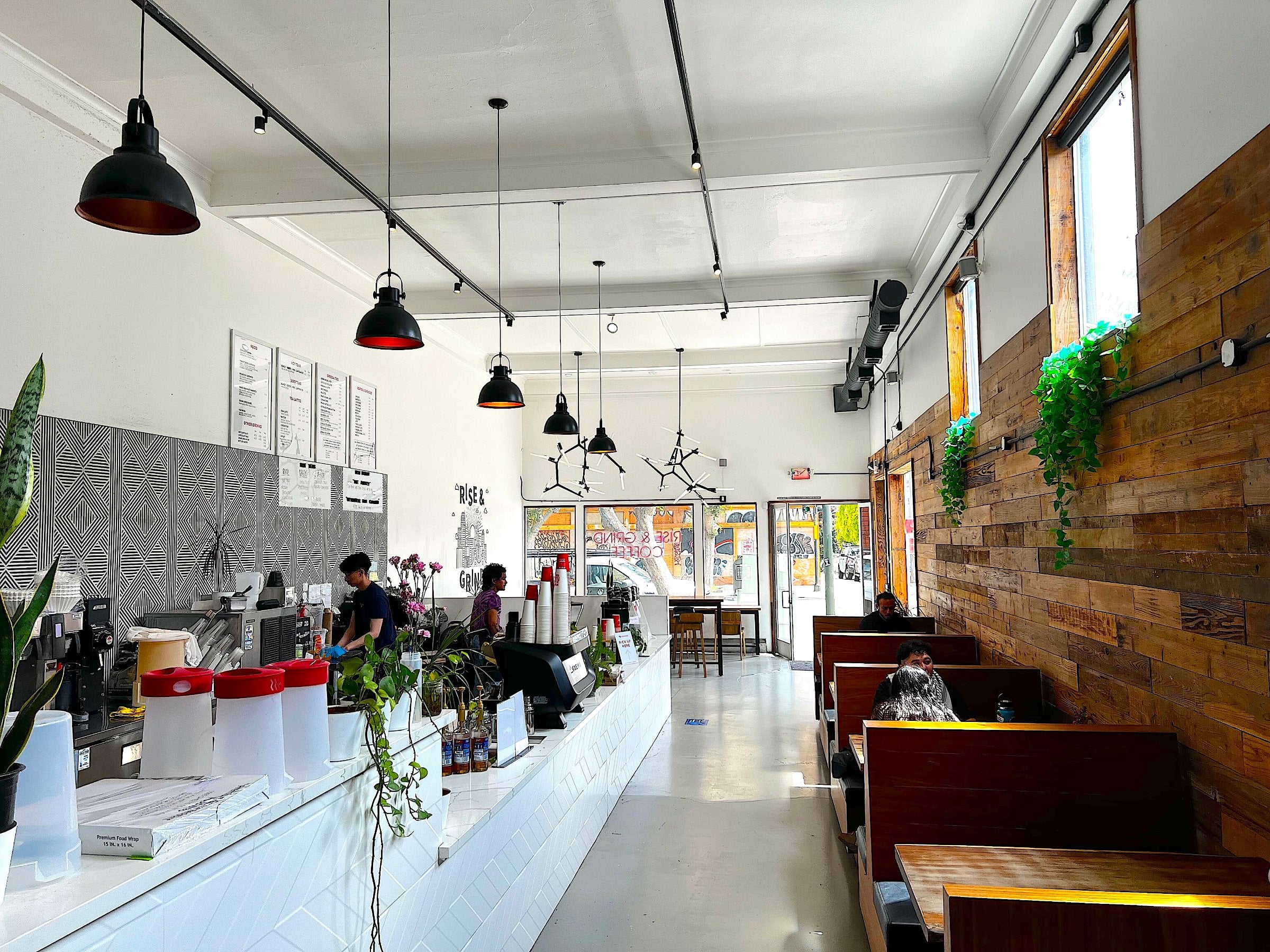
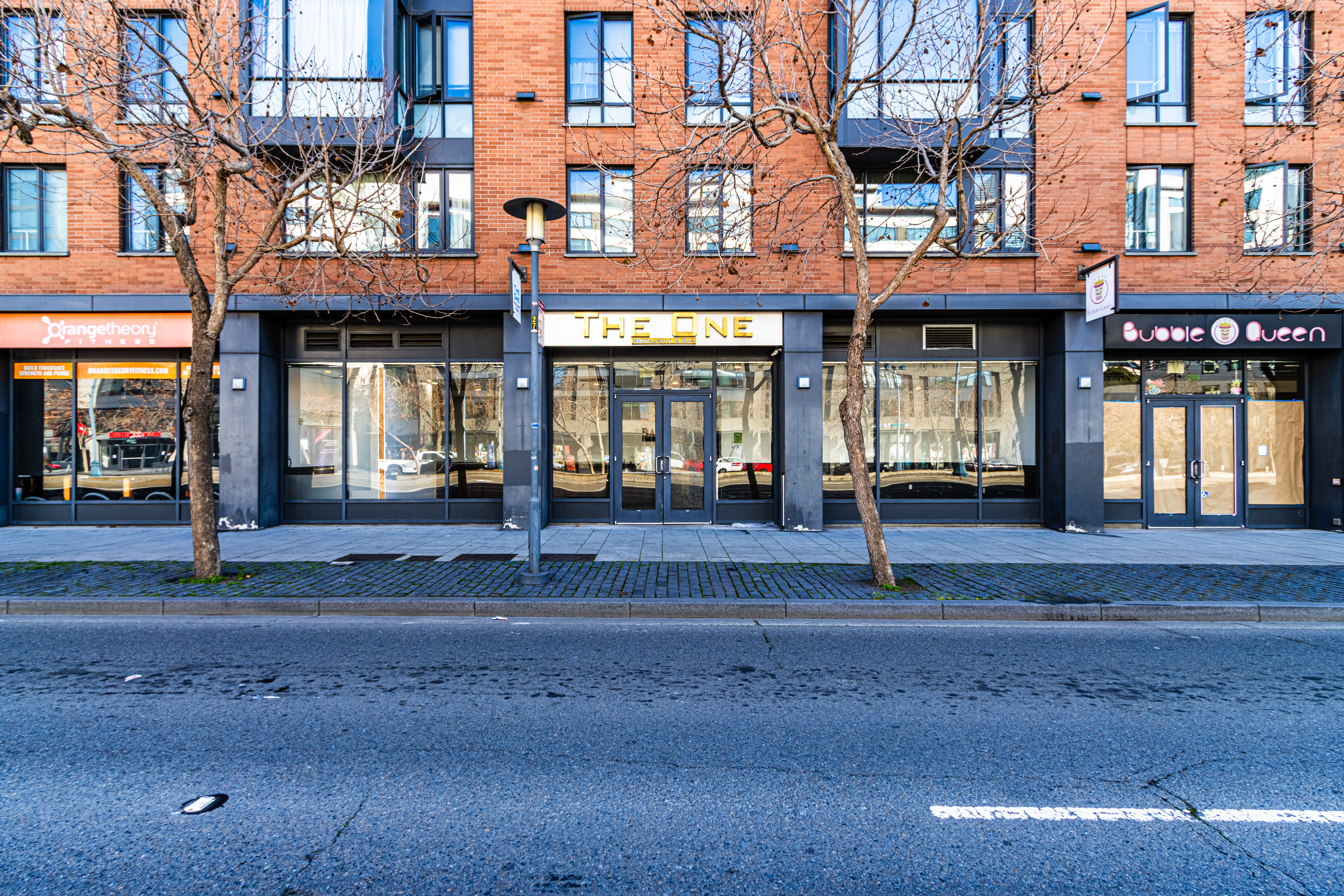
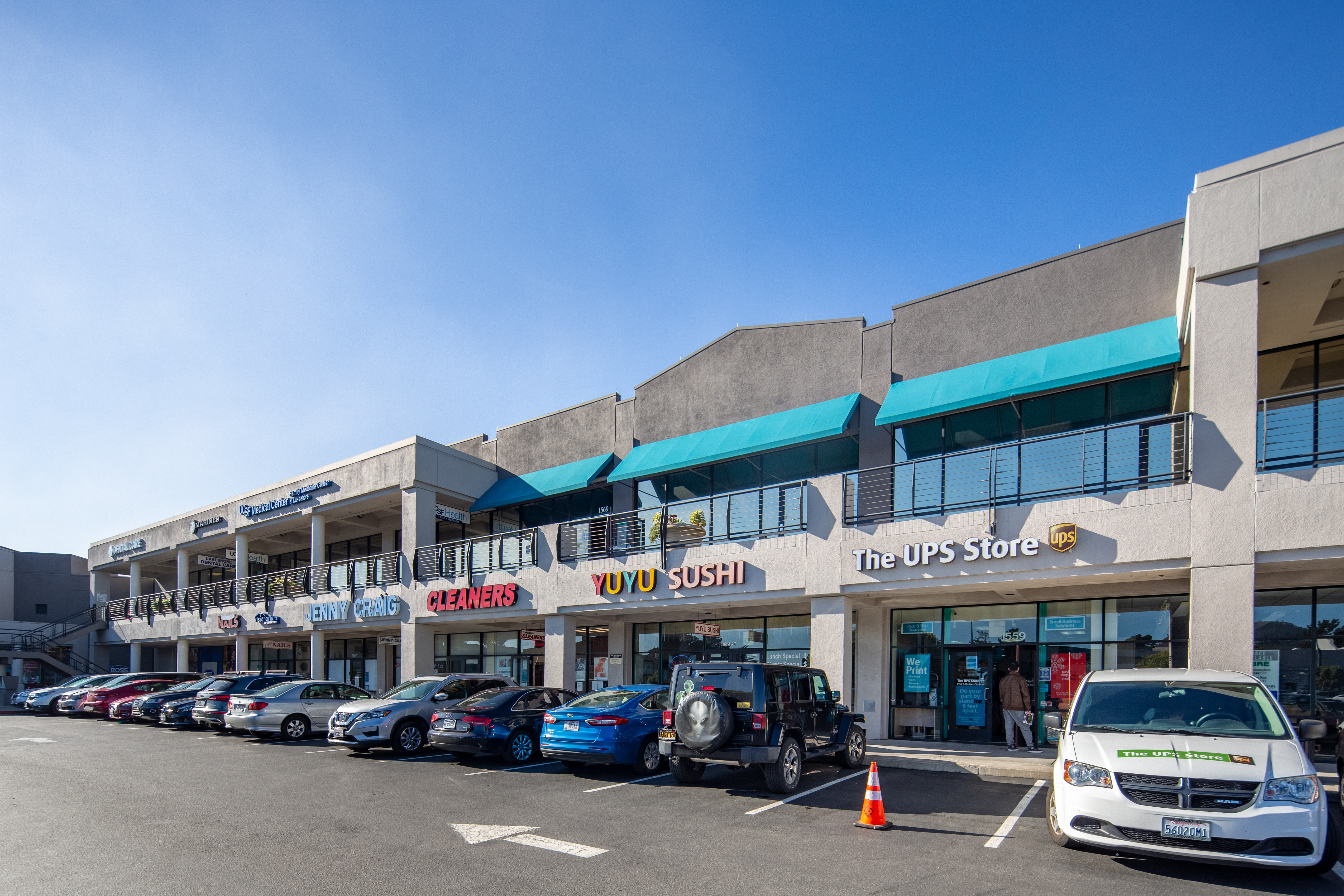
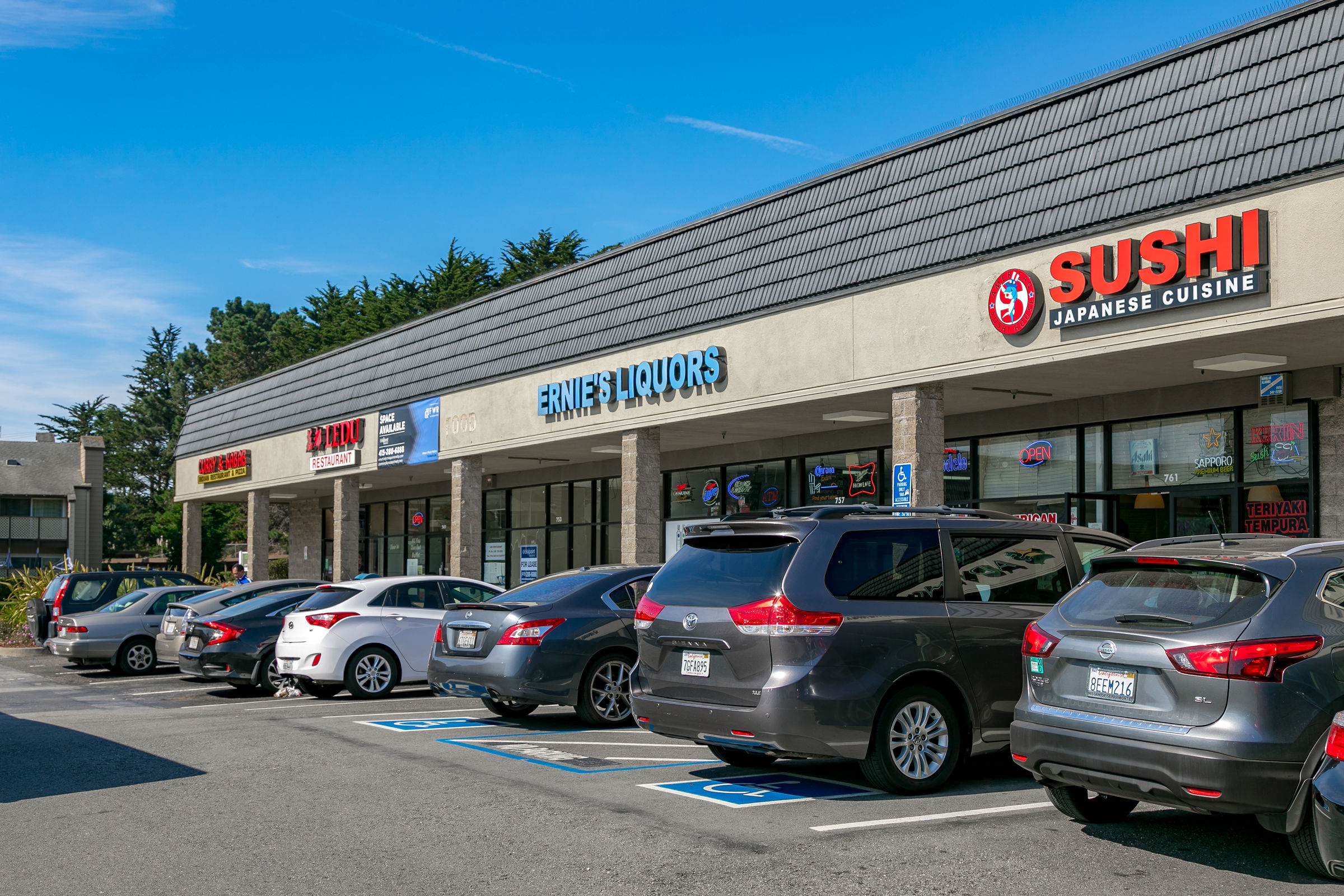
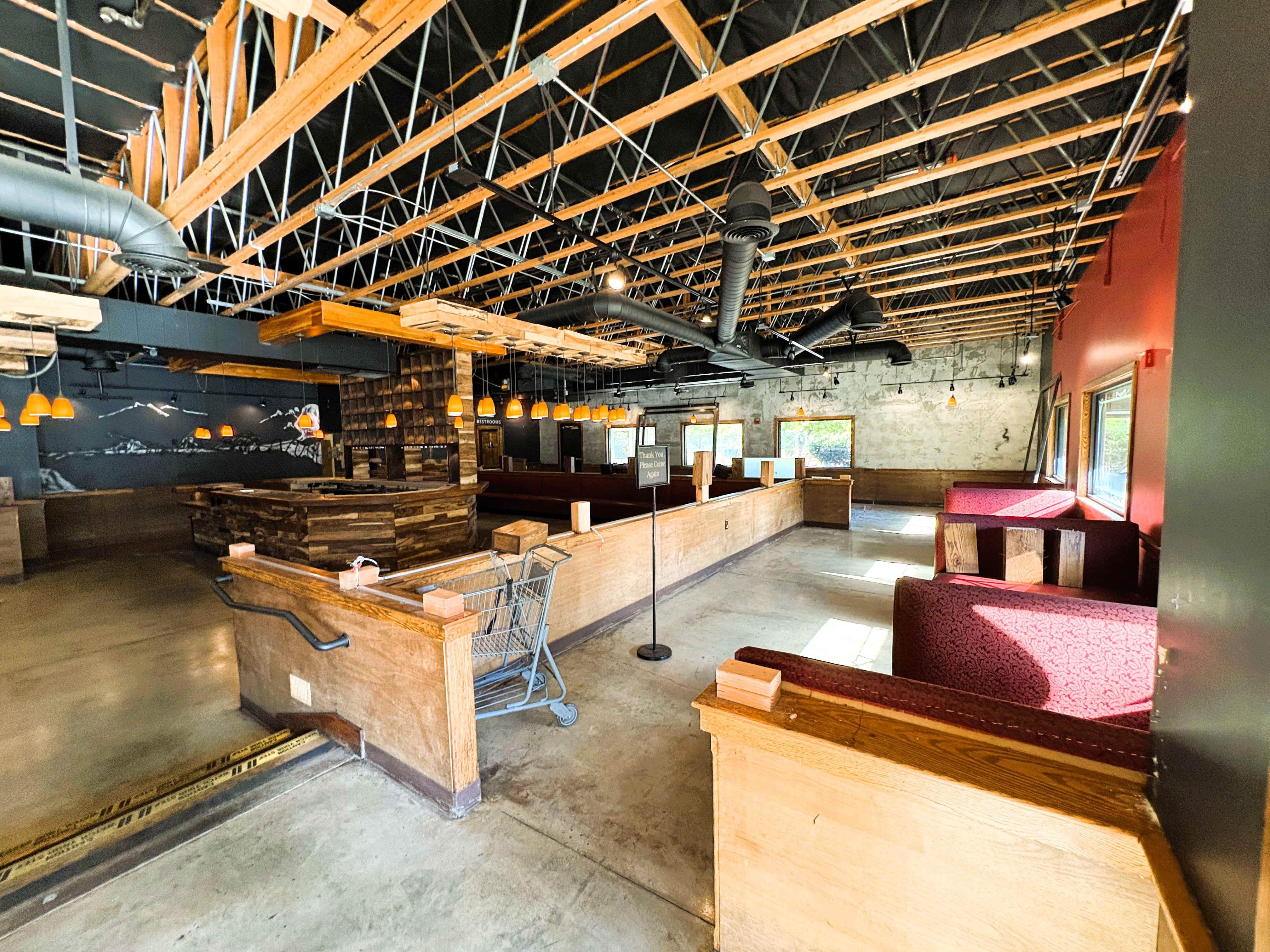
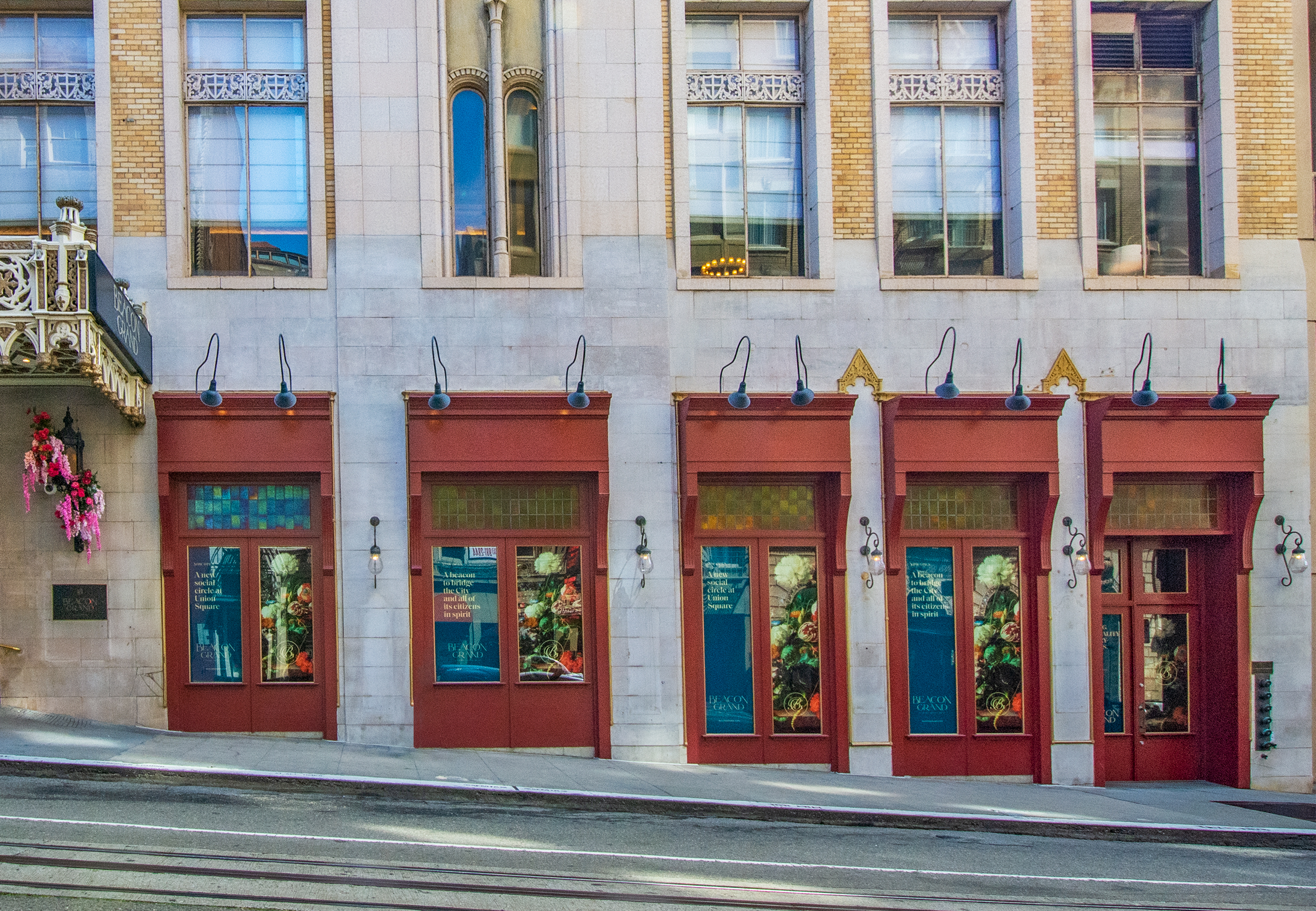
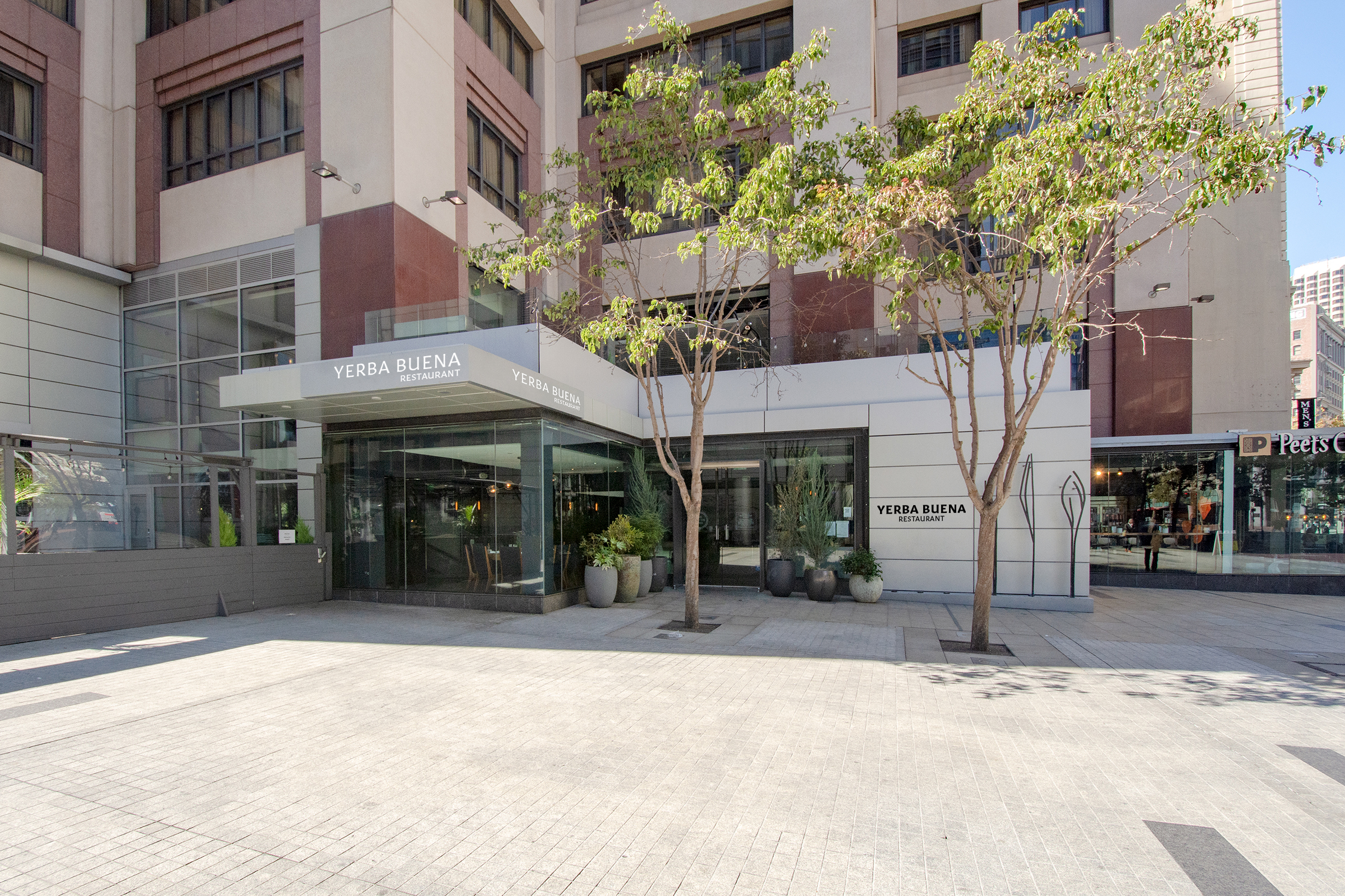
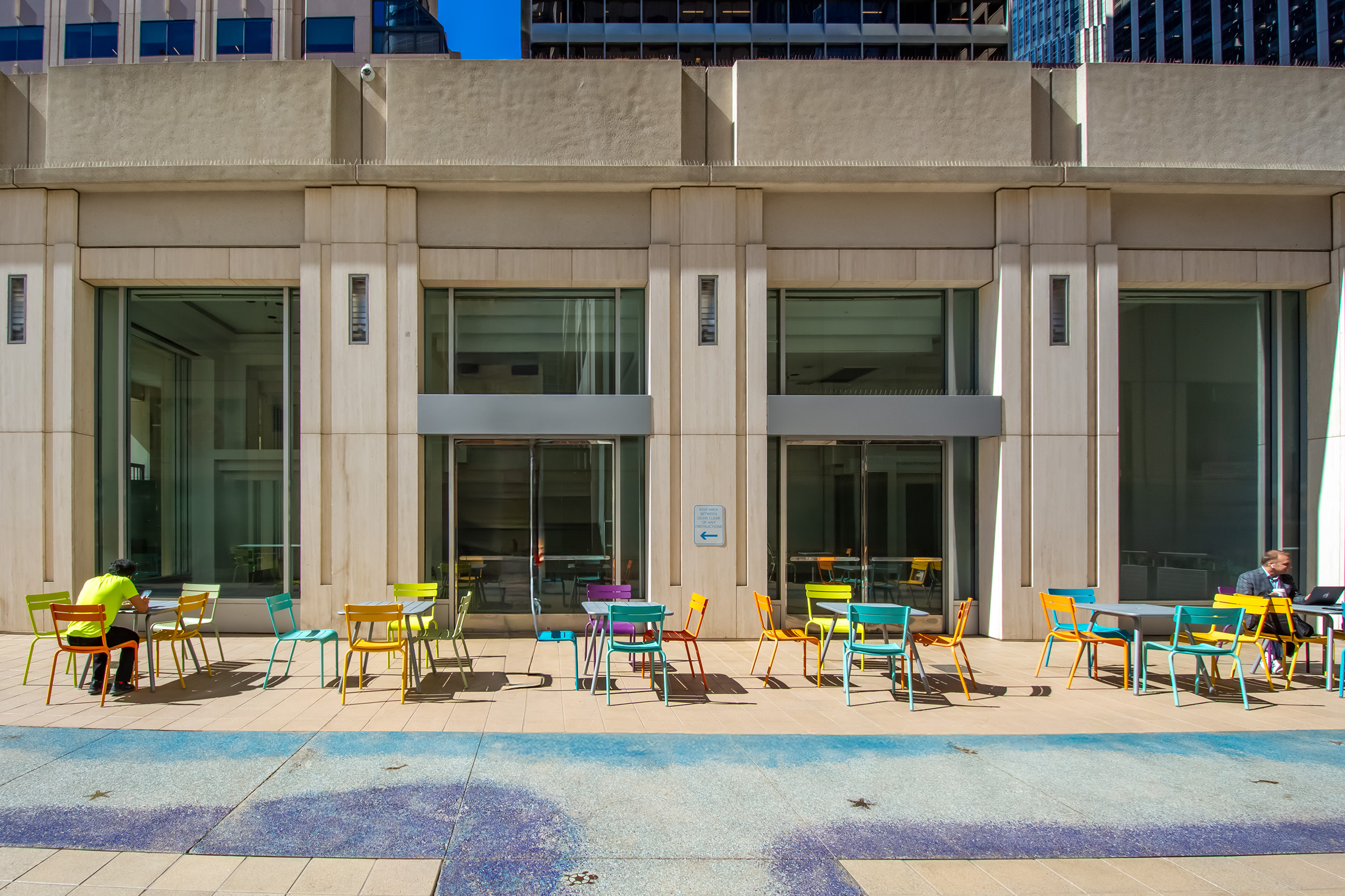
Discover premier restaurant leasing opportunities in San Francisco's high-demand culinary districts with our curated selection of restaurants for lease. Pepperlot connects operators with fully equipped spaces and specialized infrastructure needed to launch and scale successful food concepts.
Popular Markets
Position your brand in San Francisco's vibrant dining market, where dense neighborhoods, strong daytime populations, and year-round tourism create the ideal environment for everything from upscale concepts to fast-casual and neighborhood favorites.
Tenant Guide
Compare hood, grease trap, walk-in, seating, patio, parking, utilities, and build-out condition before touring.
Ask whether the rentable opportunity is a direct lease, assignment, sublease, or turnkey build-out with existing restaurant infrastructure.
Confirm landlord consent, use approvals, health permits, alcohol licensing, signage, and local inspections for the address.
Compare base rent, NNN, tenant improvements, equipment needs, deposits, and permit costs before submitting an offer.
For Owners & Brokers
In San Francisco, the difference between a successful opening and a delayed project is often the state of the existing permits. Pepperlot highlights the technical details that matter.
We prioritize restaurants for lease in San Francisco that feature active Health Department permits and existing "Certificate of Occupancy" status to speed up your 2026 opening.
With construction costs peaking, our focus on spaces with Type 1 hoods and grease traps can save operators on upfront capital.
Access data on neighborhood foot traffic and proximity to major transit hubs like Salesforce Transit Center and Powell Street Station.
Pepperlot utilizes targeted digital outreach and hospitality-focused industry networks to position your San Francisco listing directly in front of restaurant operators and expanding brands.
Platform
Leasing a restaurant in San Francisco is streamlined through Pepperlot. Your space is presented to vetted operators, flexible lease structures are supported, and second-generation restaurant infrastructure is highlighted to accelerate occupancy and reduce downtime.
Provide square footage, equipment, and prior restaurant use.
Your listing becomes visible to tenants and brokers on the platform.
Receive inquiries and engage with potential tenants through secure messaging.
Landlords and tenants can evaluate fit and negotiate terms.
About PepperLot
PepperLot organizes restaurant space searches around the details tenants need in San Francisco: build-out condition, hood, grease trap, seating, rent structure, and permit context.

Absolutely. In 2026, the cost of installing a new Type 1 hood and grease interceptor in San Francisco can be prohibitive. Second-generation spaces allow you to repurpose existing infrastructure, drastically reducing your initial investment.
You will need a San Francisco Business Registration, a Health Permit to Operate (apply at least 30 days before opening), and potentially a Liquor License (Type 41 for beer/wine or Type 47 for full spirits).
On average, a liquor license transfer in San Francisco takes about 75 days. If you want to sell spirits, you typically must purchase an existing Type 47 license from another operator.
Yes. Pepperlot's privacy tools allow you to market the neighborhood and financial profile of your space while keeping the exact location hidden until you've vetted the prospective tenant.
Absolutely. Existing infrastructure reduces build-out costs and allows operators to open faster in San Francisco's competitive market.