Asset Sale
A buyer acquires equipment, fixtures, furniture, and restaurant infrastructure without taking on the prior operating company.

Review restaurant business sales, asset sales, financials, and lease details in Texas.
Browse all restaurants for sale nationwide on PepperLot.
Compare space options for the same market without leaving this city guide.
List it free on PepperLot and reach food and beverage buyers.
Map view
Available Listings
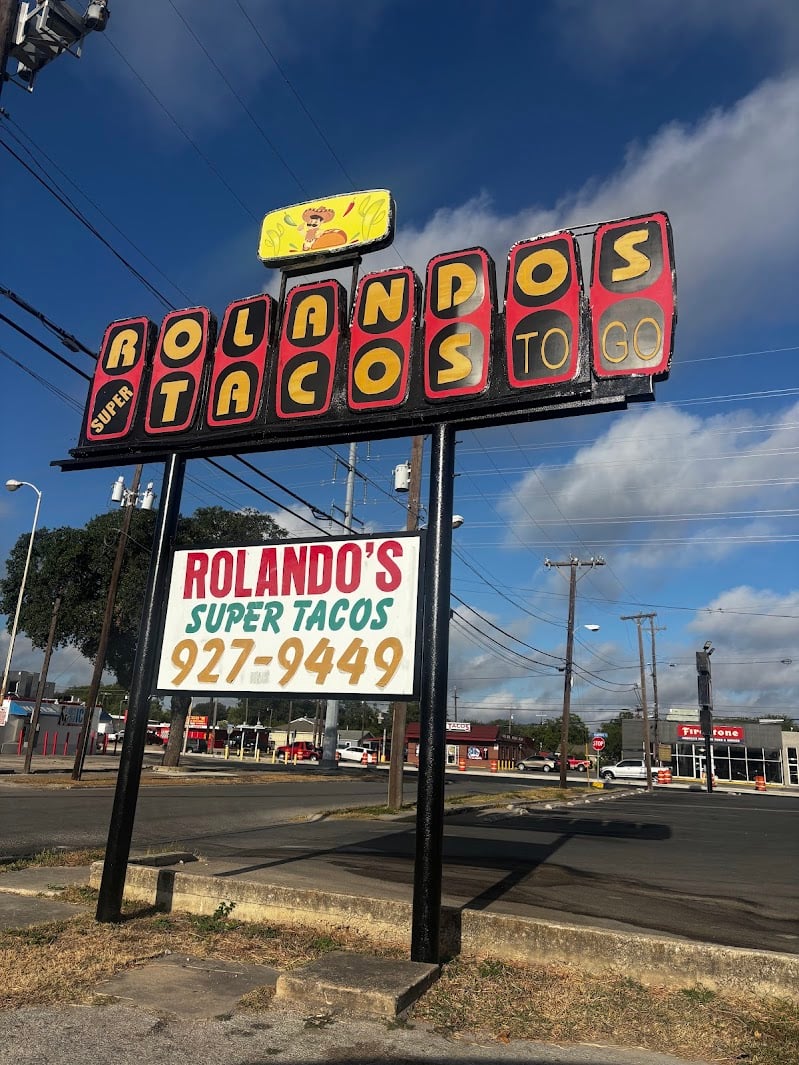
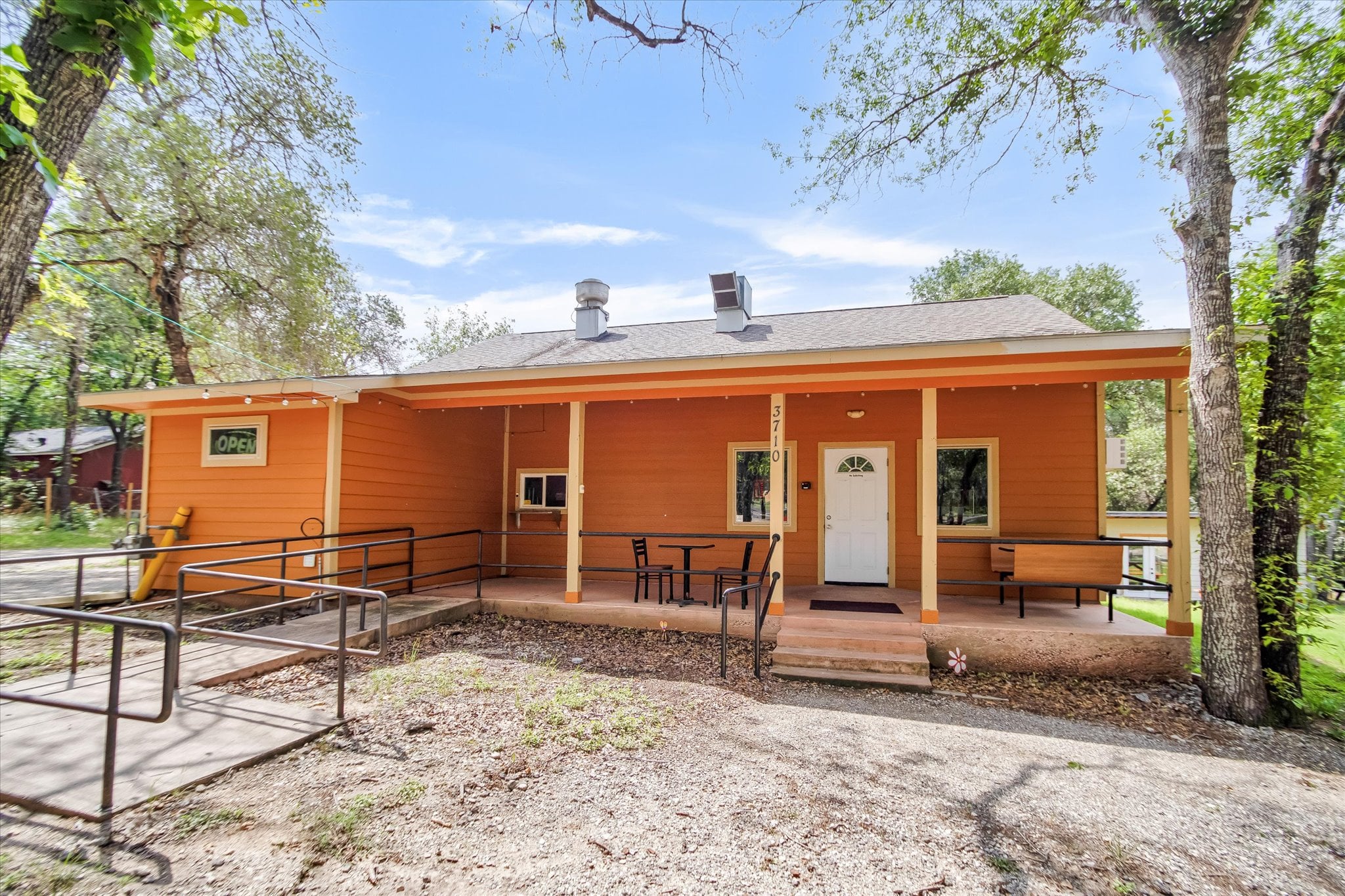
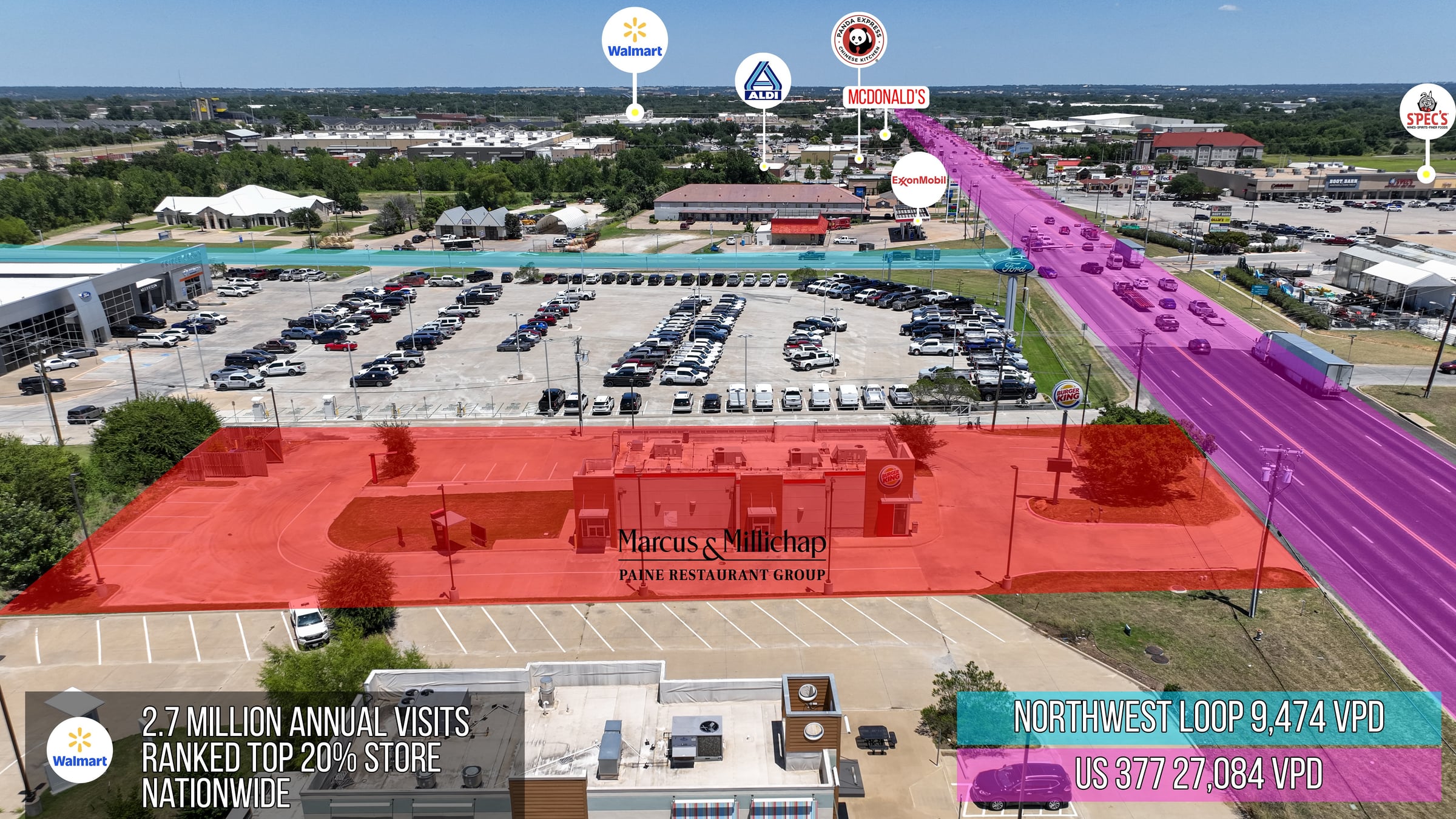
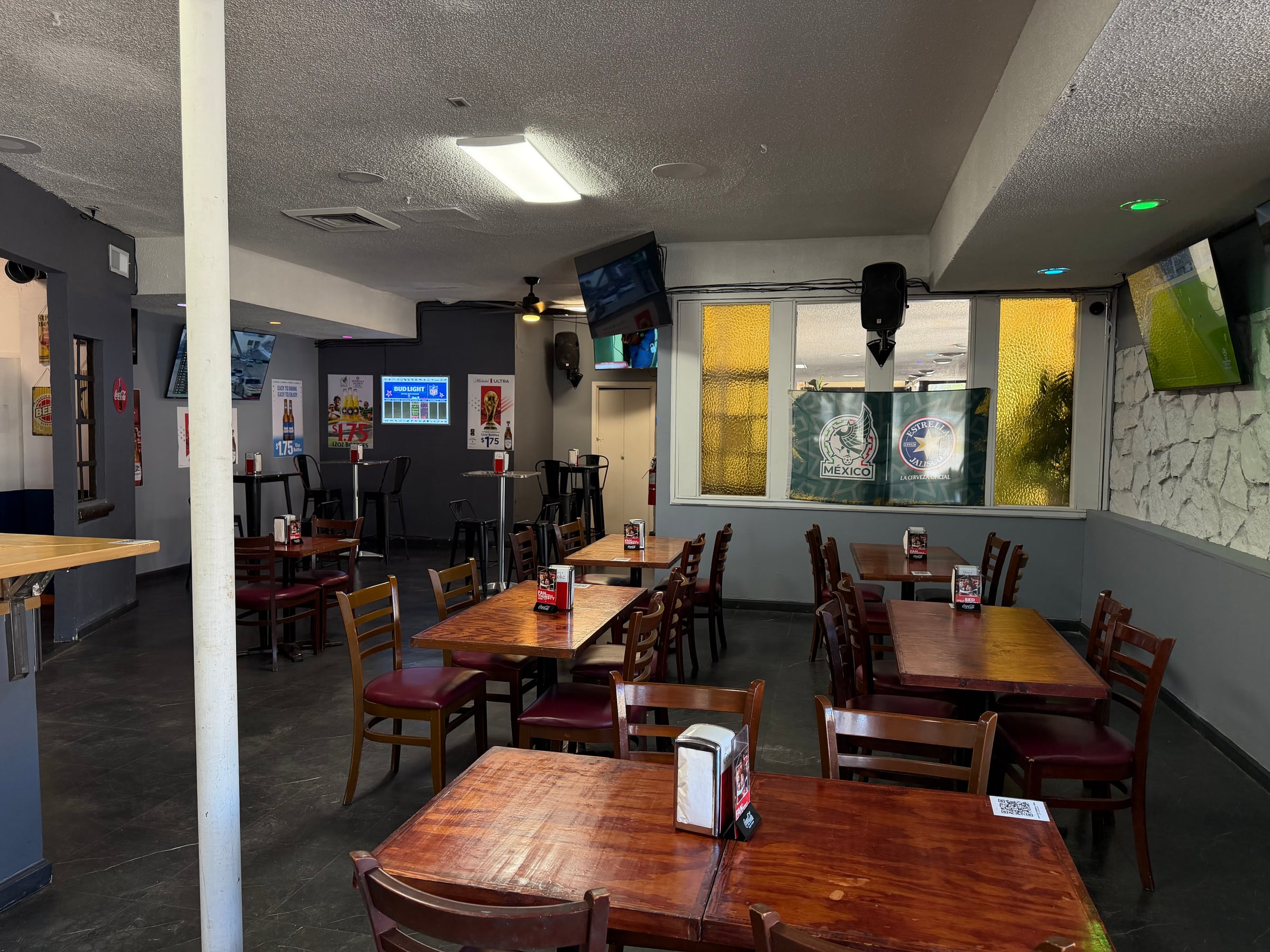
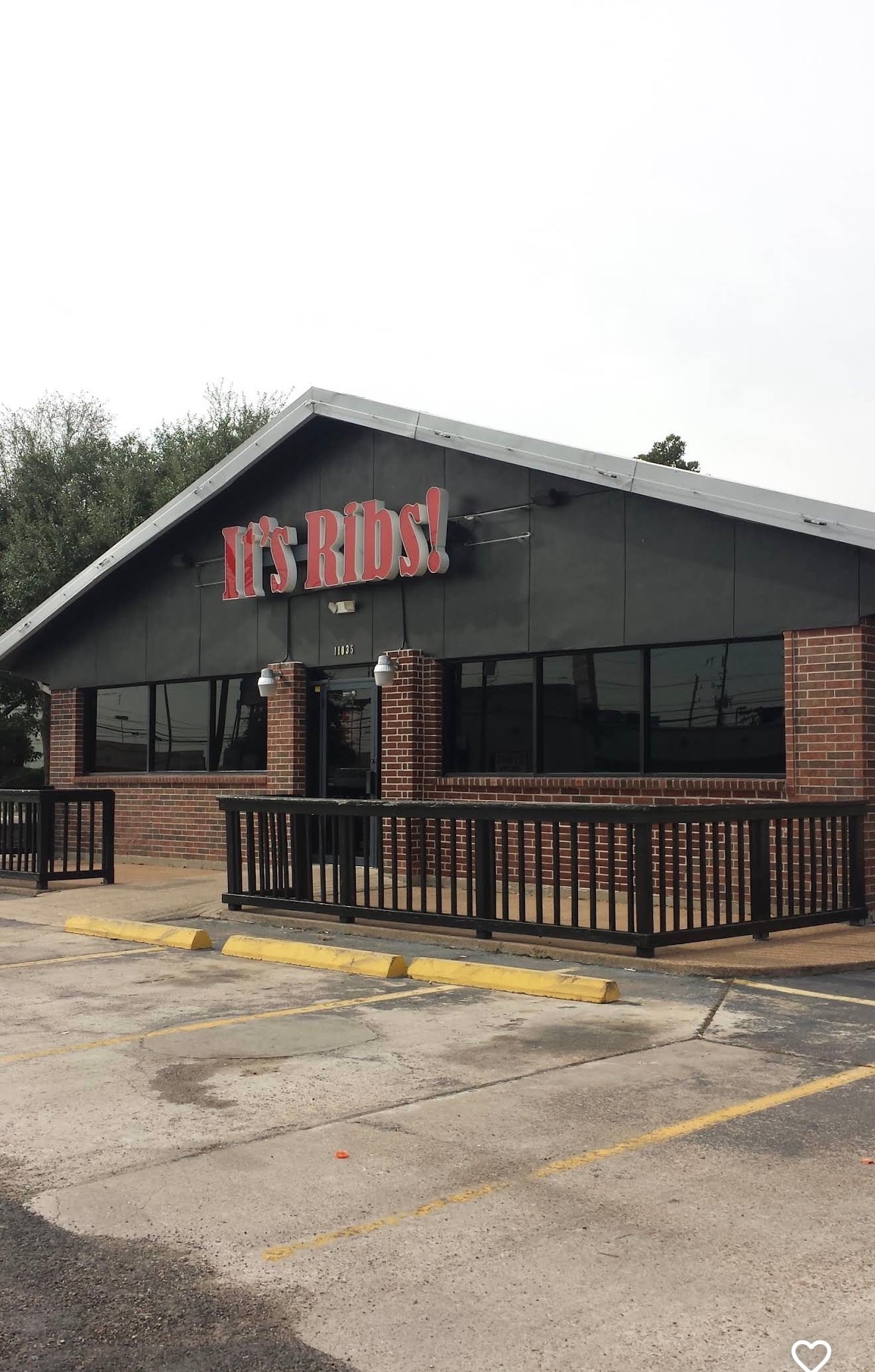
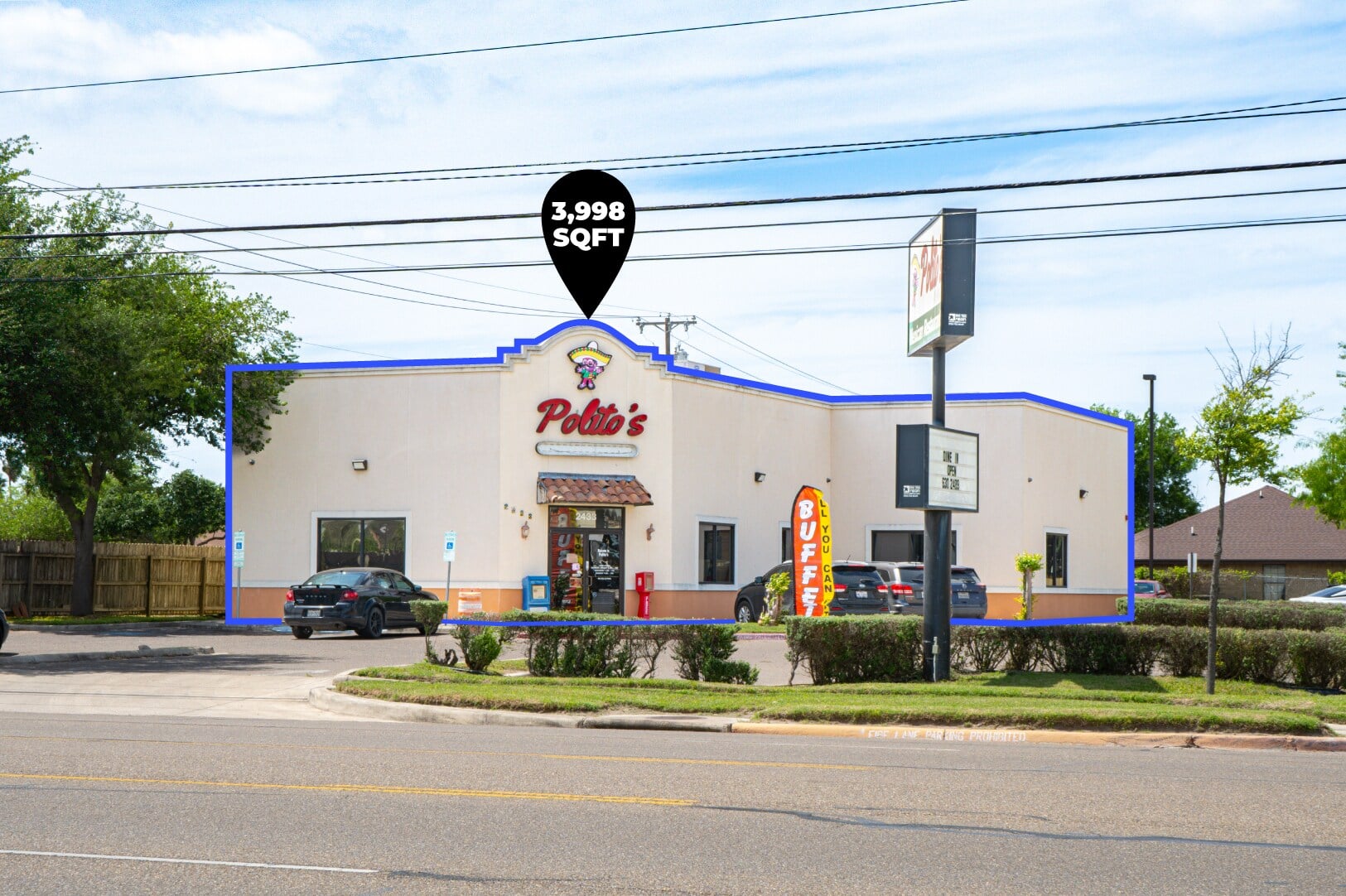
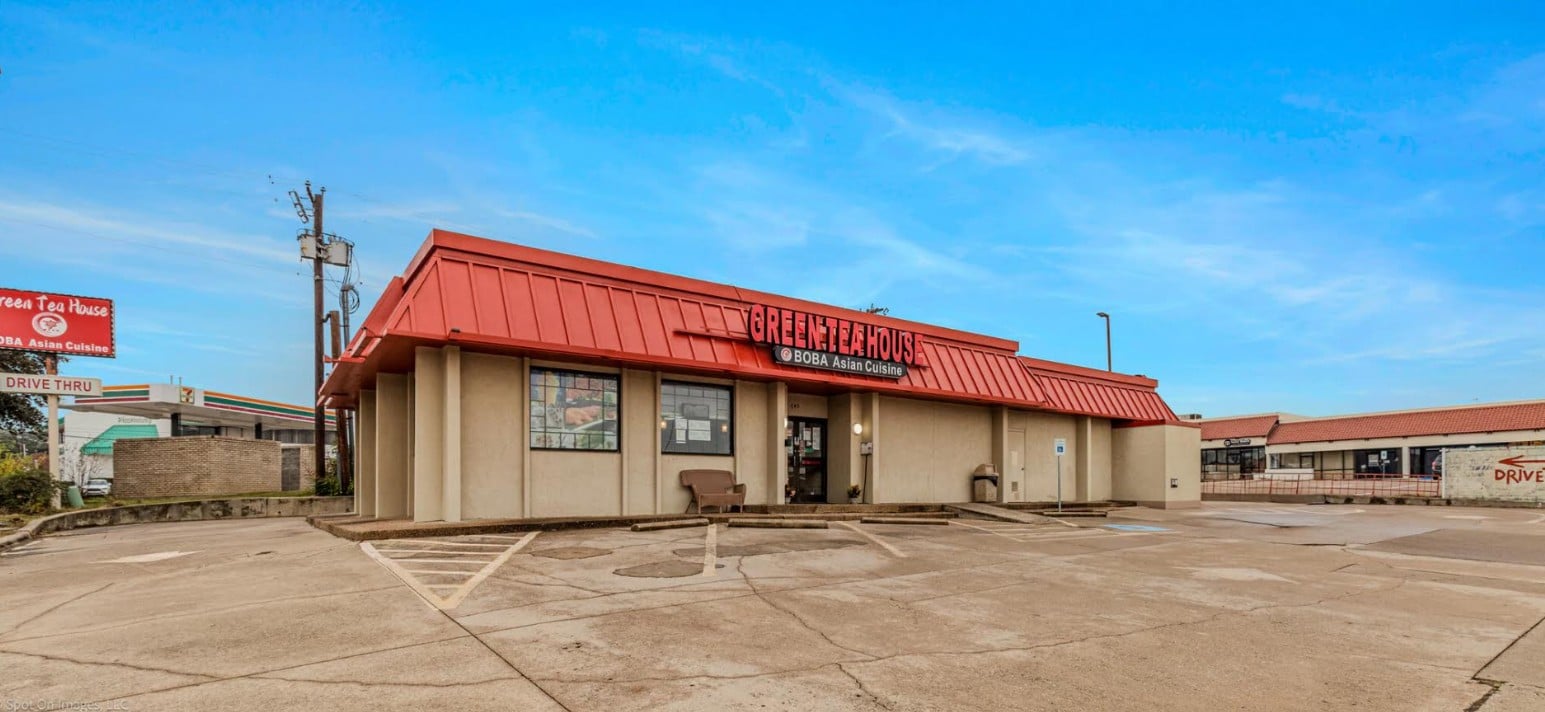
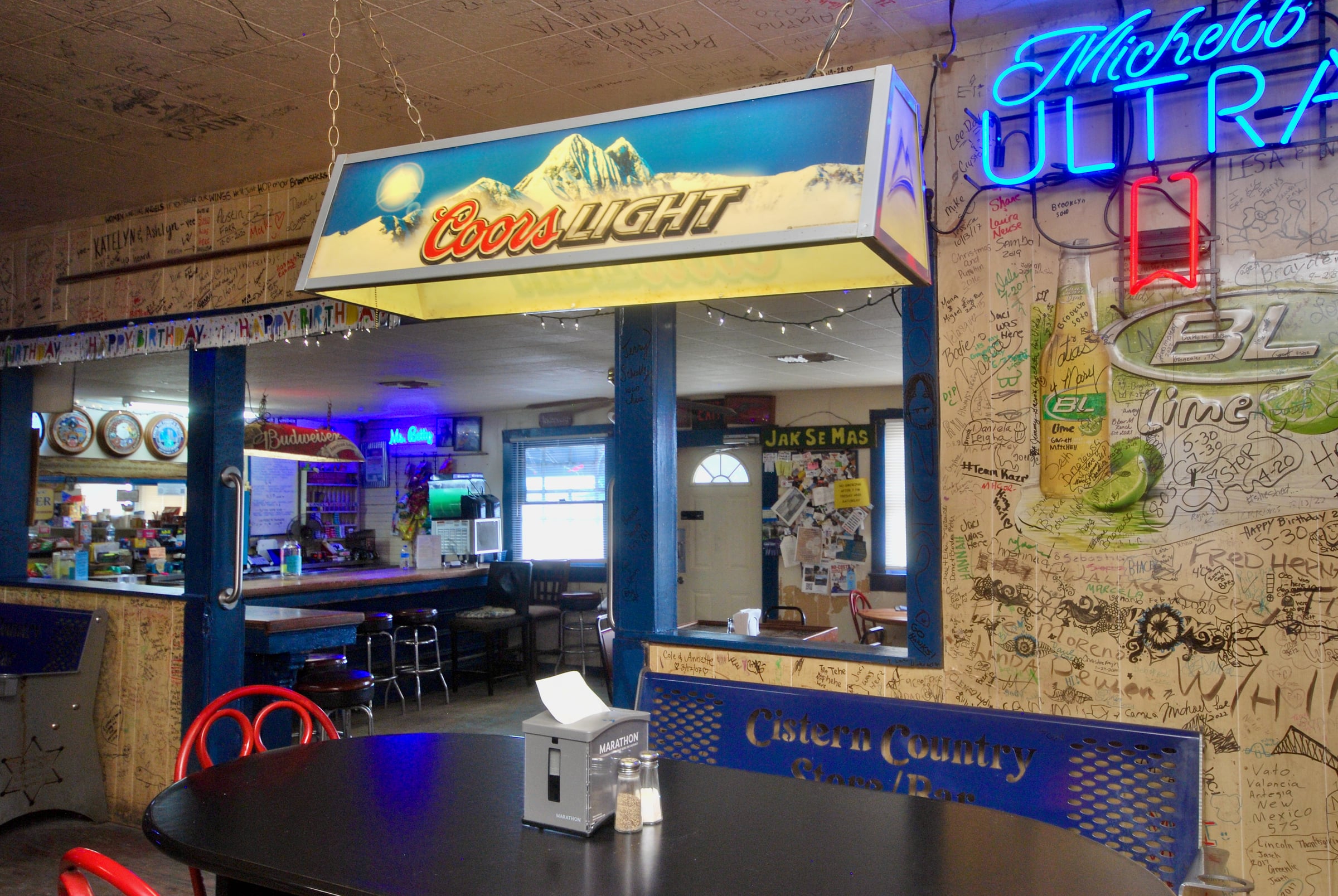
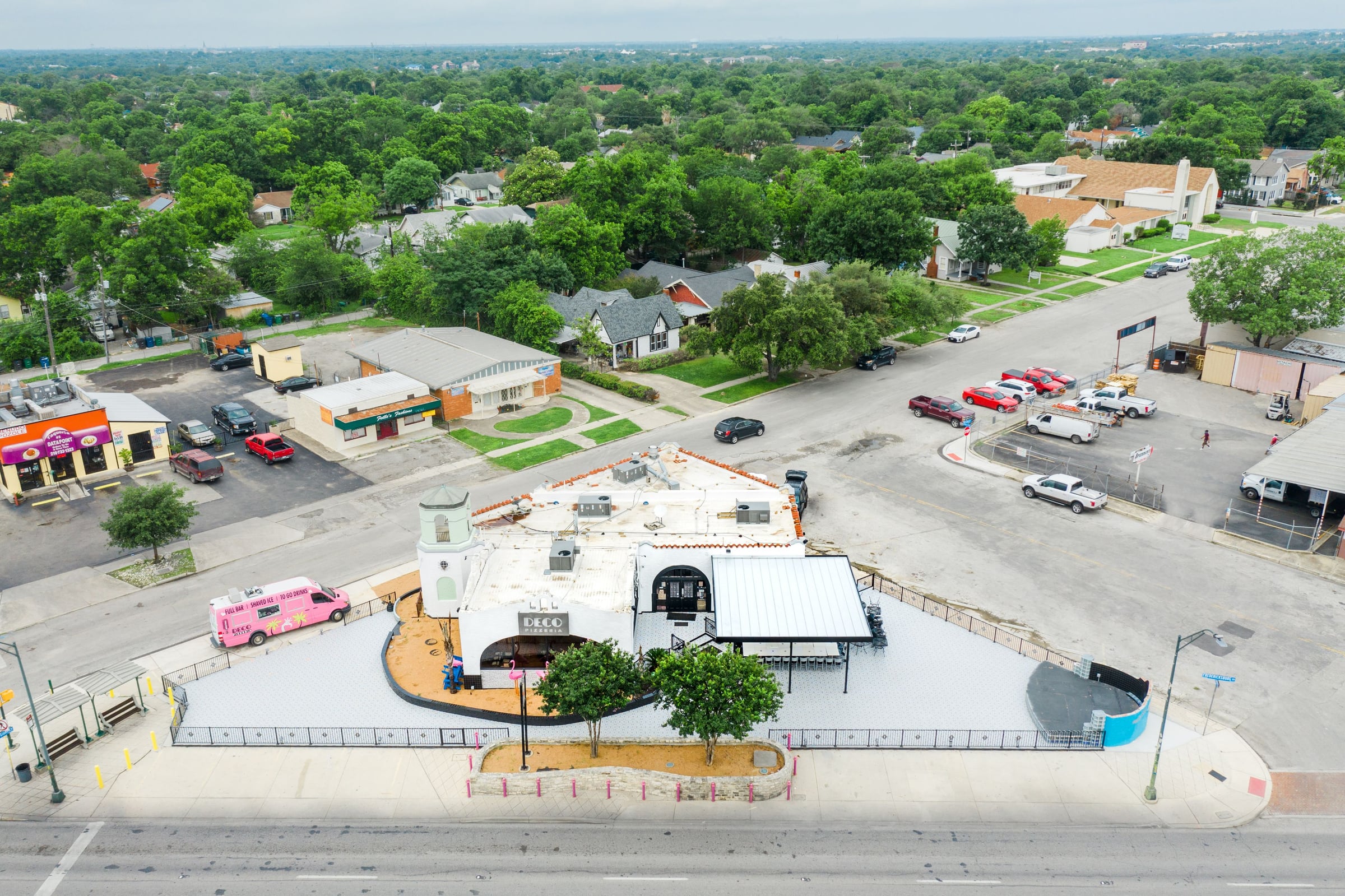
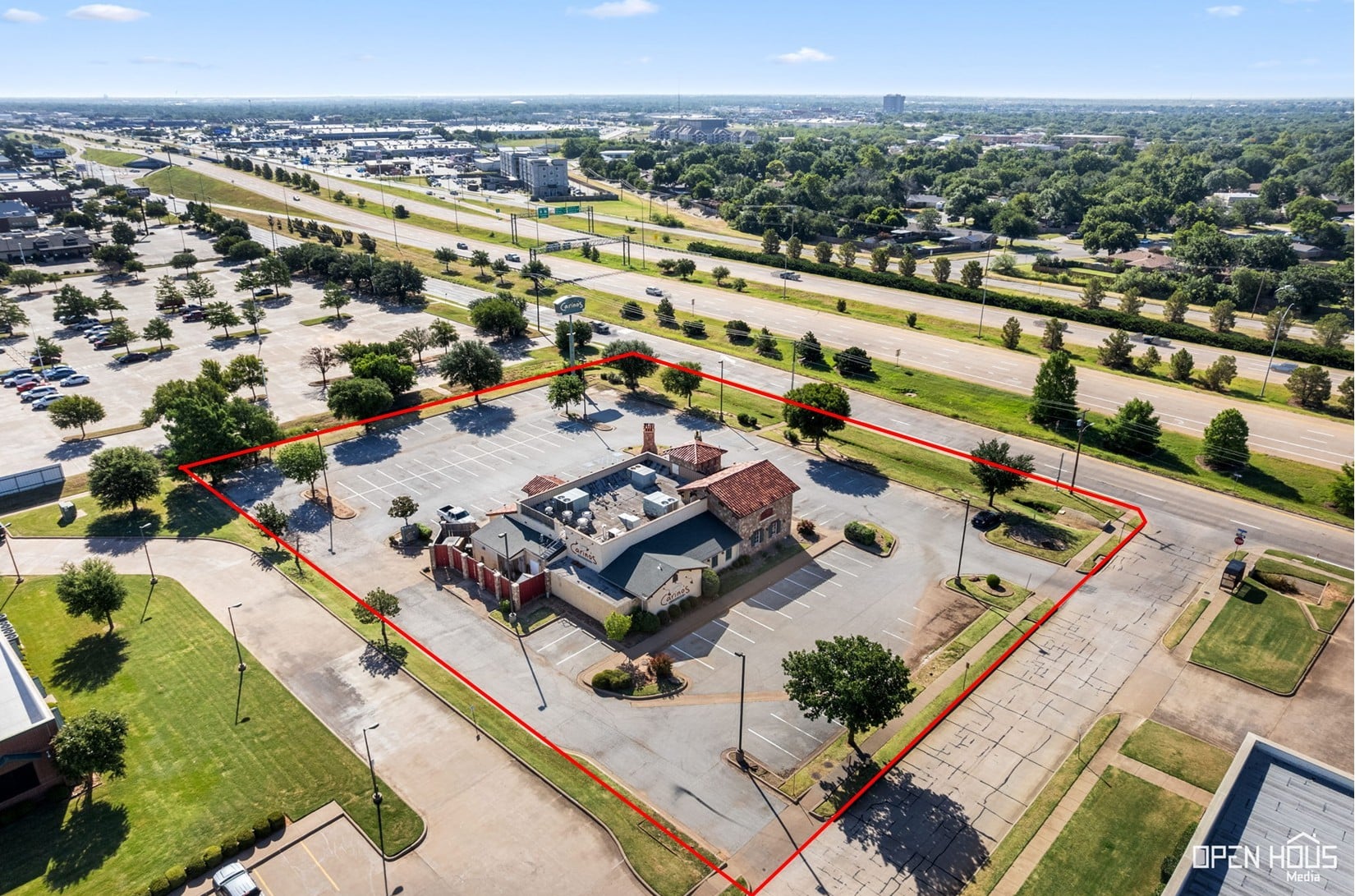
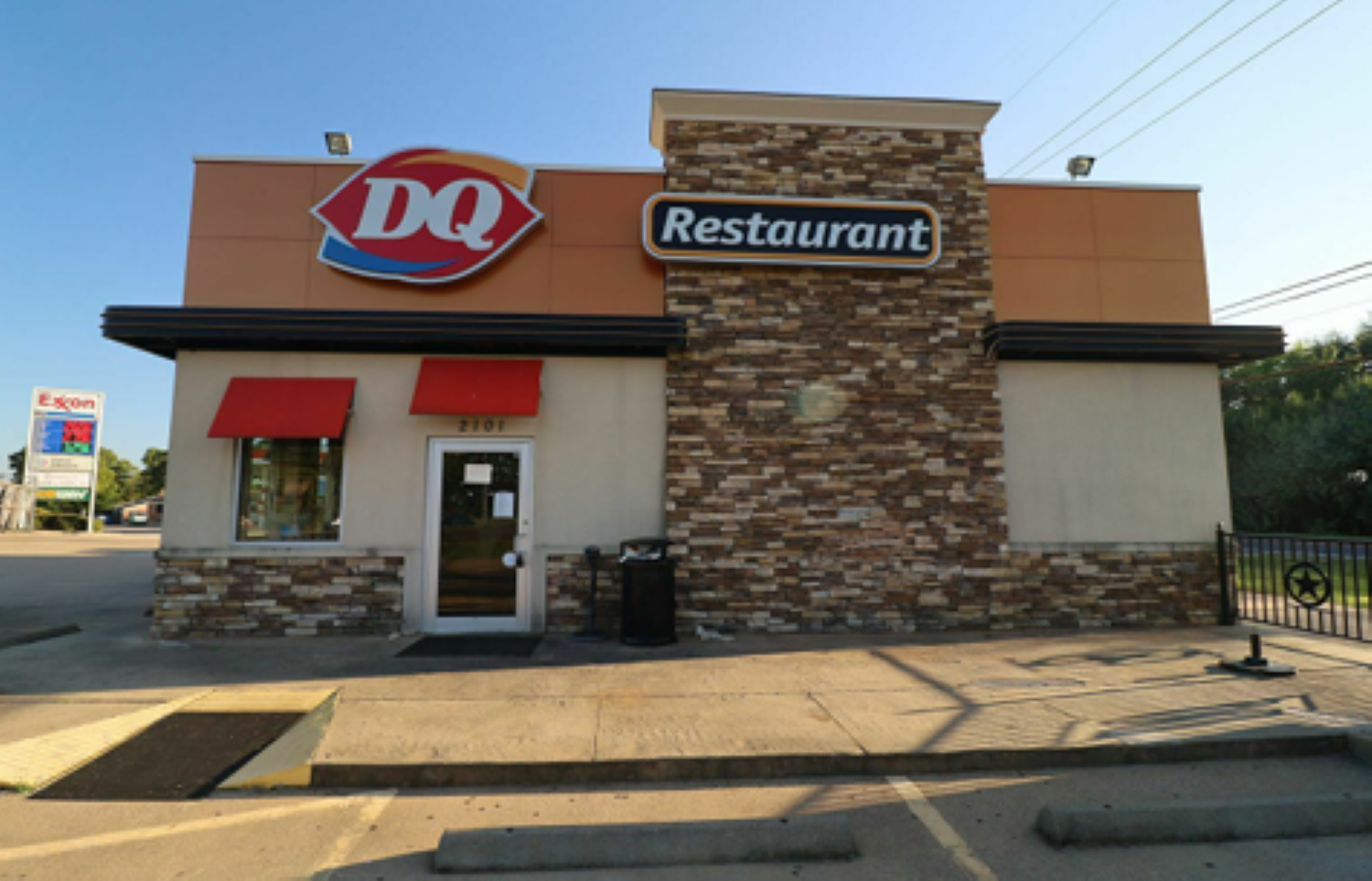
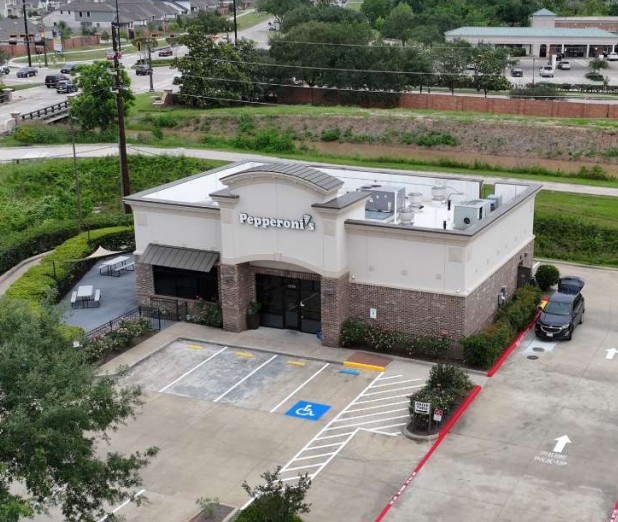
Asset sales, business sales, and restaurant-ready real estate nearby.
Market Context
Texas is the second-largest restaurant market in the United States, with more than 50,000 restaurant locations generating in excess of $90 billion in annual sales. Strong population growth across the Texas Triangle of Houston, Dallas-Fort Worth, Austin, and San Antonio has driven sustained demand for restaurant space at every price point, from independent asset sales in the Rio Grande Valley to multi-unit business sales in prime urban submarkets.
Lease rates vary substantially by market. Prime Austin and Dallas locations command $40 to $90 per square foot annually. Houston ranges from $30 to $70 in core neighbourhoods like Montrose, the Heights, and Rice Village. Secondary and tertiary markets such as El Paso, Lubbock, Amarillo, and the Rio Grande Valley typically range from $15 to $30 per square foot. Texas also has no state income tax, which can meaningfully affect the operating economics of a restaurant compared to other major markets.
Texas restaurant acquisitions involving alcohol service require a Texas Alcoholic Beverage Commission (TABC) license transfer or new application, which can extend transaction timelines. Buyers should confirm the license type, review at least three years of financials, and verify the status of city and county health permits before closing.
Local Links
Texas restaurant opportunities cluster around four major regional markets, each with distinct entry costs, demographics, and buyer demand.
Sale Types
A buyer acquires equipment, fixtures, furniture, and restaurant infrastructure without taking on the prior operating company.
A buyer acquires the operating business, brand, staff continuity, vendor relationships, and transfer documents tied to the acquisition.
A buyer acquires the real estate along with restaurant improvements, building systems, and site control.
Price Context
Asking prices vary by market, concept, profitability, equipment condition, and whether real estate is included. Buyers often compare asset sales below $250,000, business sales from $250,000 to $1,000,000, and property sales above that range.
In Texas, review the asking price against kitchen infrastructure, seating, alcohol license status, seller financing terms, and local permit transfer requirements.
Licenses and Permits
Before completing a restaurant acquisition in Texas, confirm TX alcohol license transfer, health permits, business licenses, signage approvals, and local operating permits with the agencies that control the address.
Permit transfer rules vary by market, so buyers should verify what transfers with the business sale, what requires a new application, and what must be approved by the landlord or property owner.
For Owners & Brokers
Pepperlot is built specifically for restaurant transactions, making it an ideal platform for Texas's market.
Listings reach operators and brokers actively browsing restaurant acquisitions in Texas, ensuring inquiries come from users with real intent.
Confidential listing options allow property details to be shared without unnecessary public exposure, structured around restaurant-specific requirements.
Pepperlot is built exclusively for food-service properties, keeping inquiries focused and relevant.
Through precision digital marketing and specialized restaurant industry networks, Pepperlot promotes your Texas listing to decision-makers actively seeking opportunities.

Platform
Submit your Texas restaurant details, financials, and transaction structure preferences.
Once approved, your listing becomes visible to serious buyers evaluating Texas acquisition opportunities.
Receive direct inquiries through Pepperlot's secure messaging system.
Negotiations and agreements are handled directly between buyers and sellers.
About PepperLot
PepperLot organizes restaurant acquisitions around the details buyers need in Texas: sale structure, equipment, permits, seating, and property context.

Texas restaurant acquisitions range widely depending on market and concept. Asset sales typically start from $25,000 to $125,000. Full business sales range from $80,000 to over $1,500,000. Austin, Dallas, and Houston command the highest prices while secondary markets like El Paso, Lubbock, Corpus Christi, and the Rio Grande Valley offer lower entry costs.
Texas restaurant lease rates vary significantly by market. Prime Austin and Dallas locations average $40 to $90 per square foot annually. Houston ranges from $30 to $70. San Antonio ranges from $24 to $48. Secondary markets like El Paso, Lubbock, Amarillo, and the Rio Grande Valley typically range from $15 to $30 per square foot annually.
Pepperlot lists business sales, asset sales, and property sales across Texas. Asset sales transfer equipment and lease only, keeping the seller's liabilities out of the transaction. Business sales include the full operation, brand, permits, and staff. Property sales are outright real estate purchases with existing restaurant infrastructure in place.
Houston, Dallas, Austin, San Antonio, and Fort Worth are the most active markets on Pepperlot. The DFW suburbs of Plano, Frisco, and Arlington, along with Austin's surrounding cities like Round Rock and Cedar Park, also have a growing number of listings. Tertiary markets like El Paso, Corpus Christi, and Lubbock offer lower entry costs than the major metros.