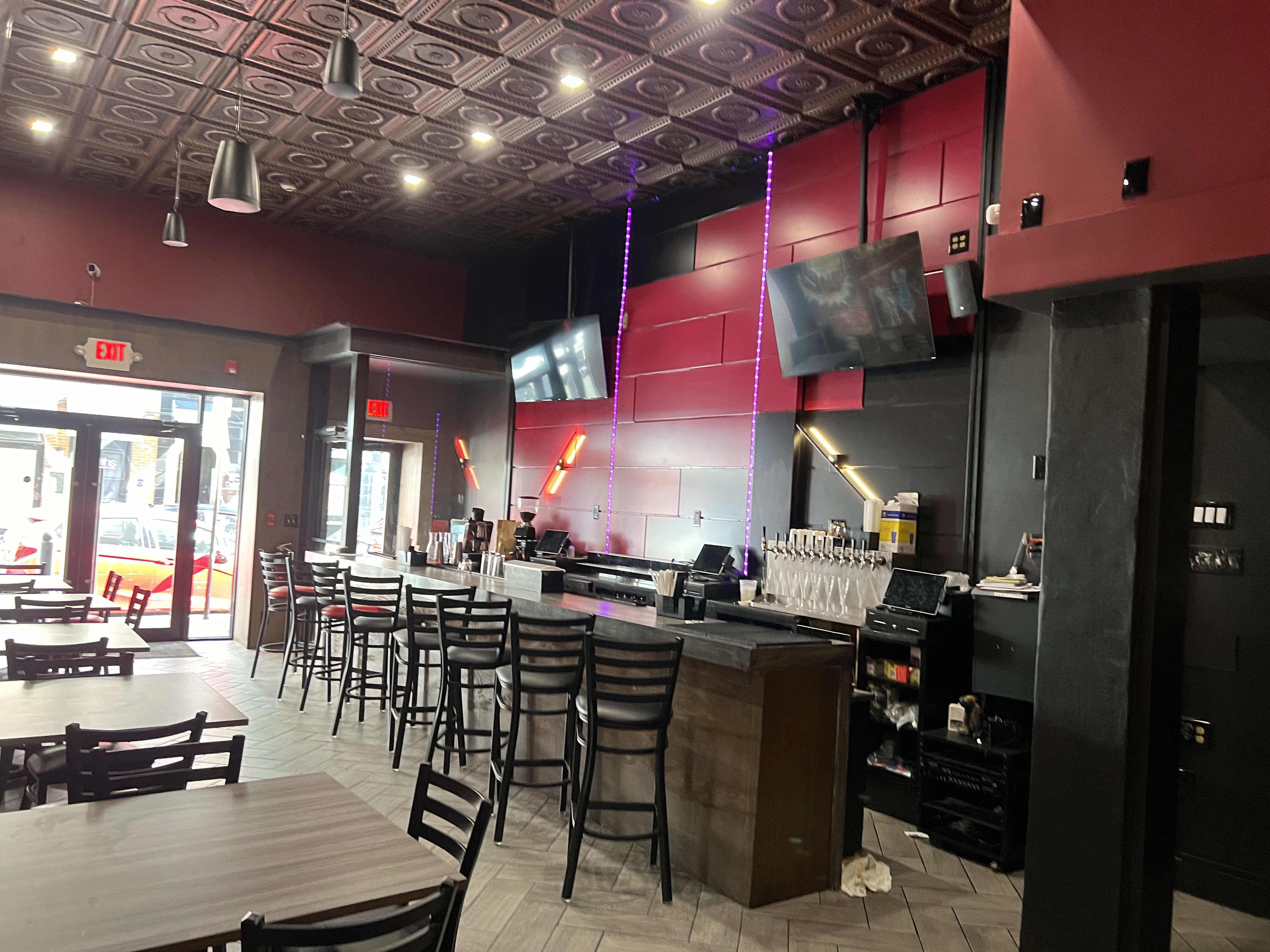
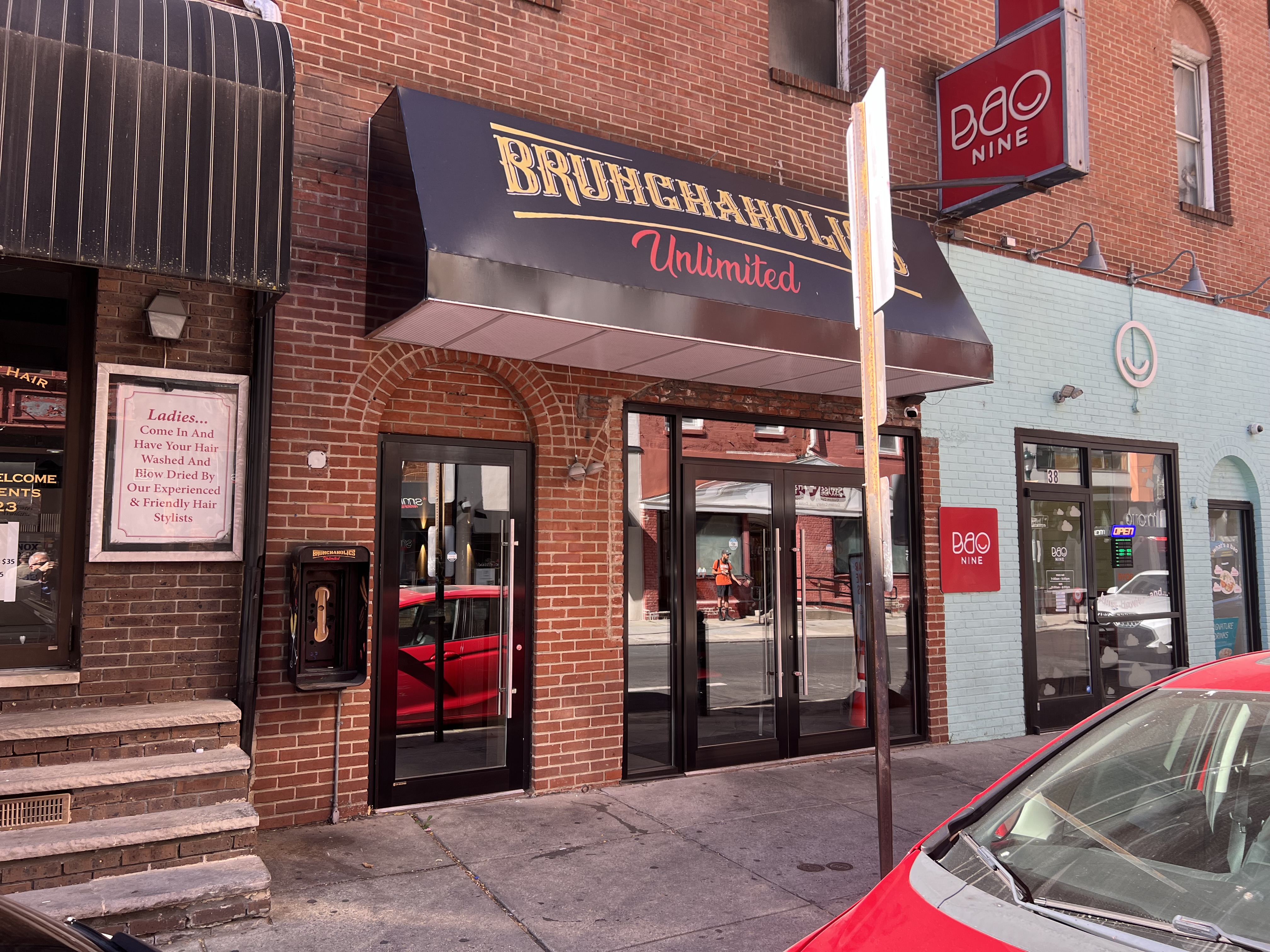
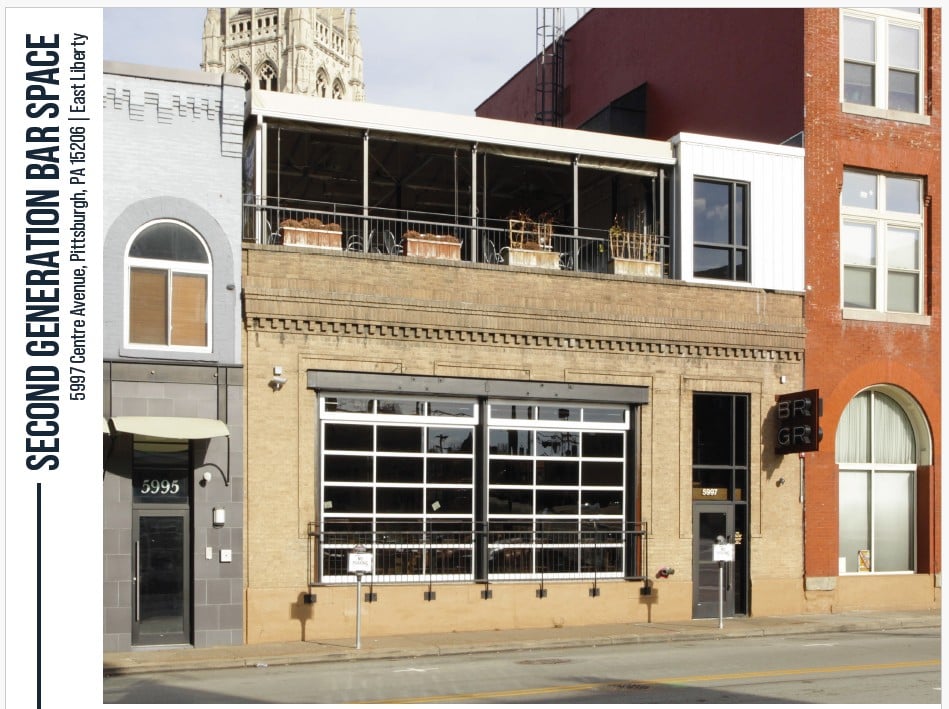
Confirm the space fit
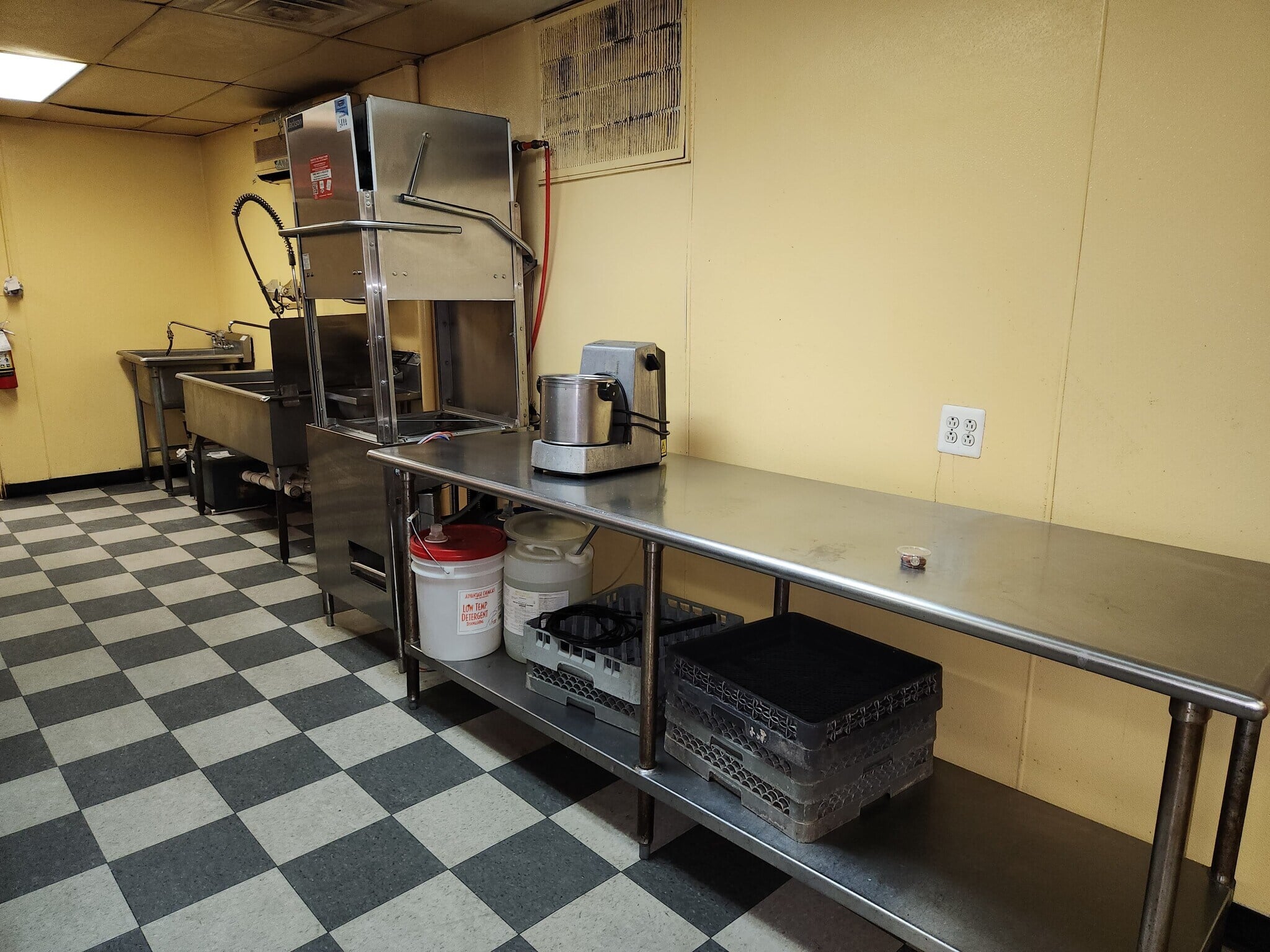
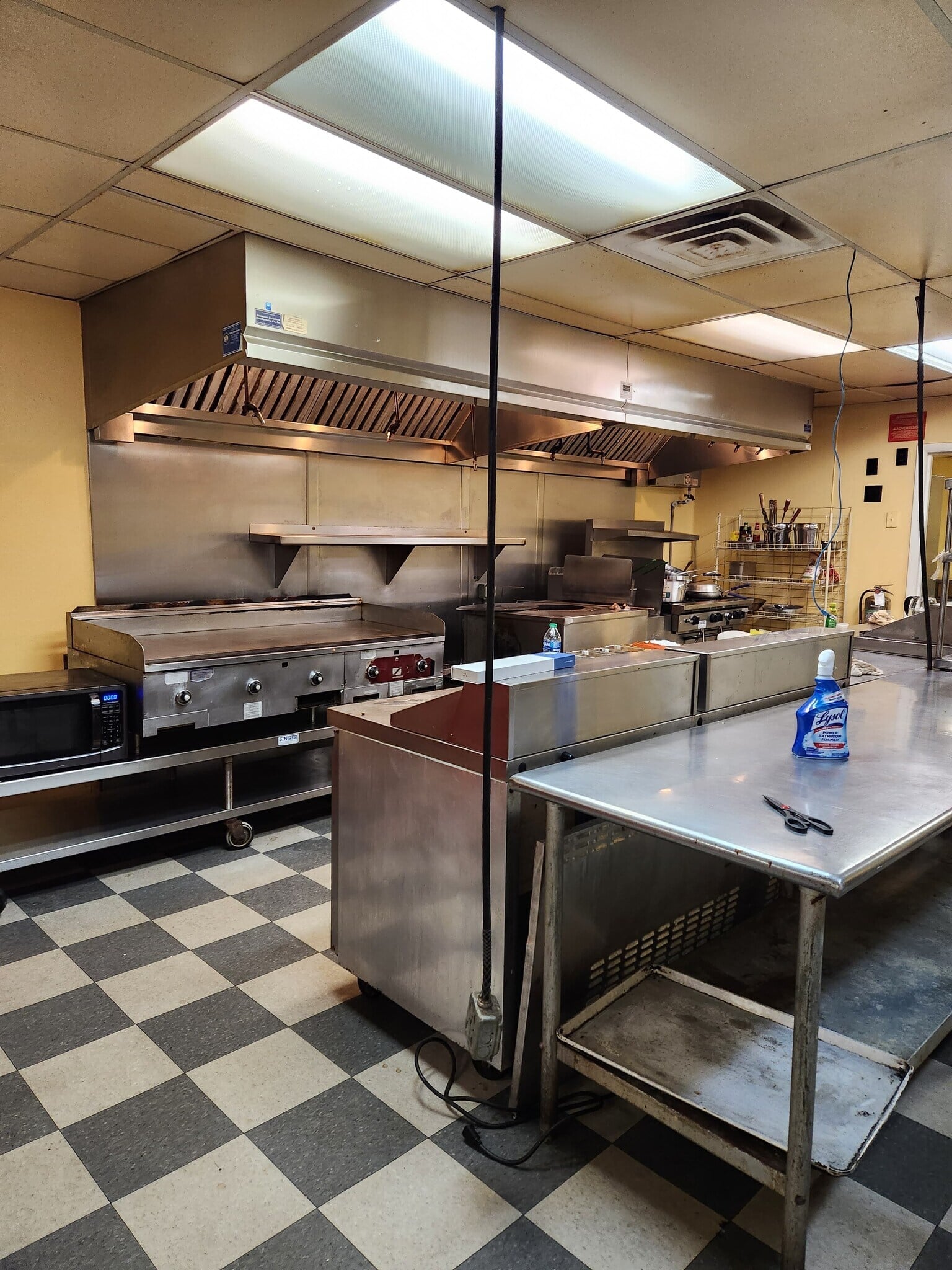
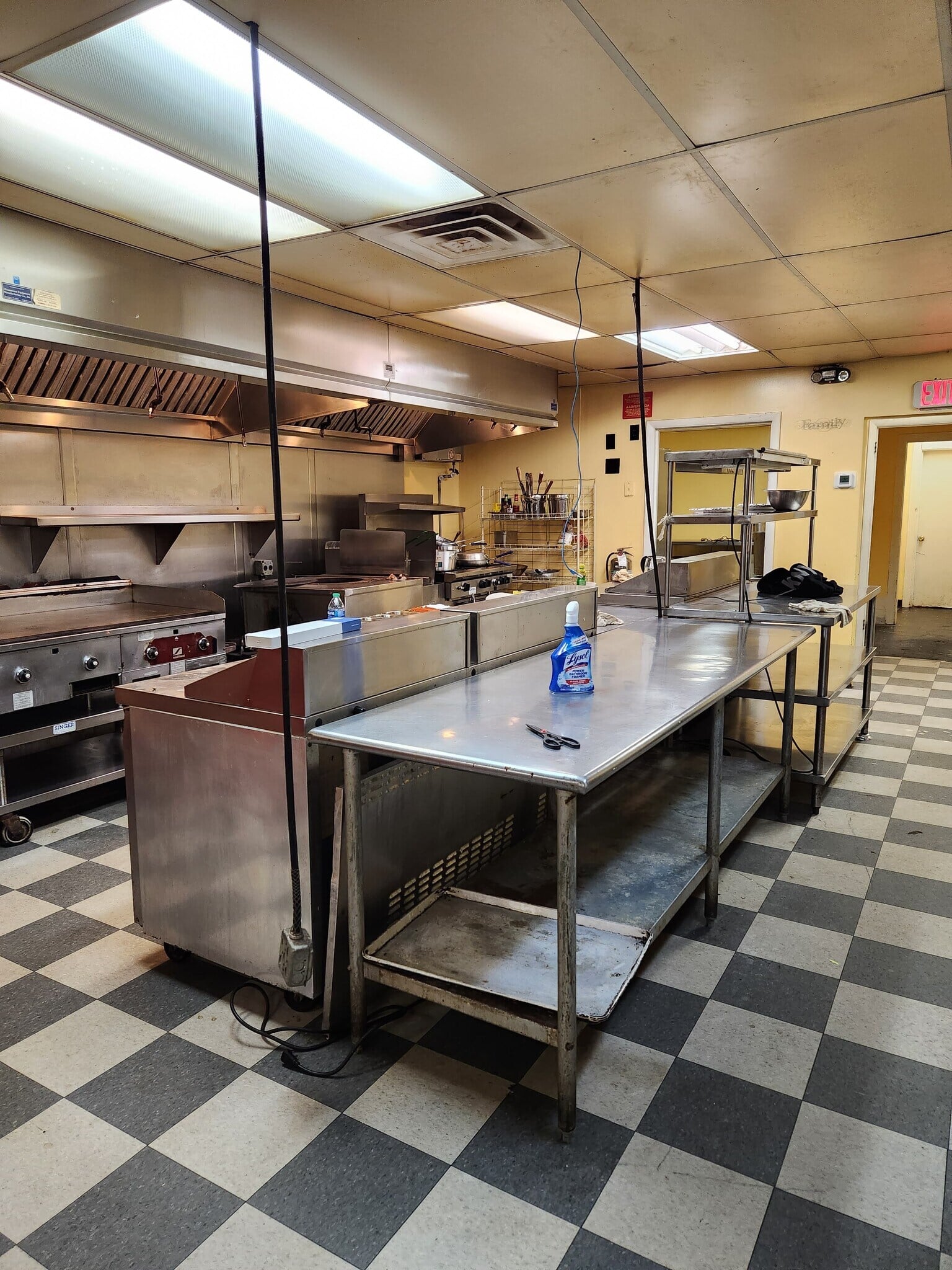
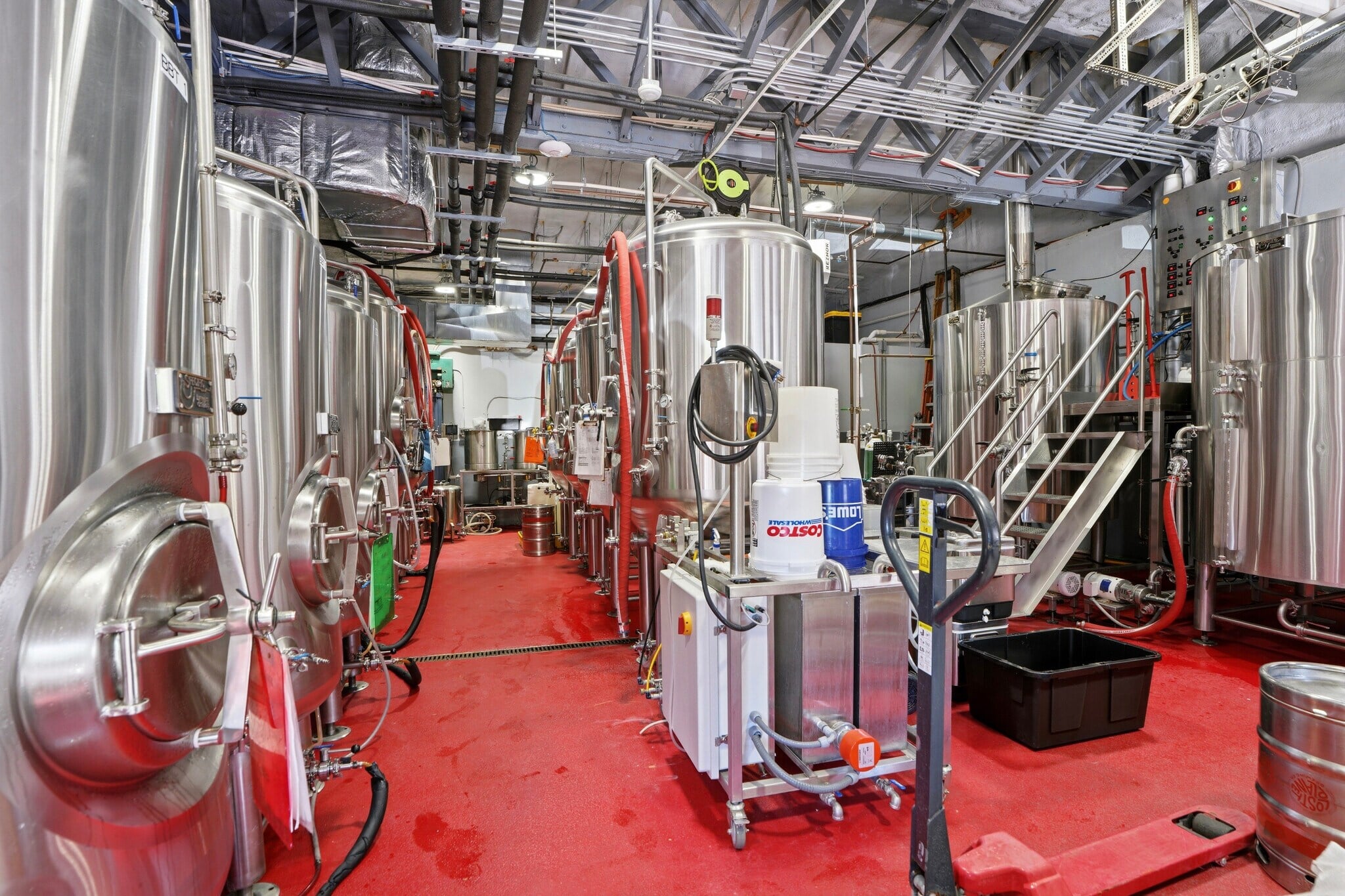
Compare hood, grease trap, walk-in, seating, patio, parking, utilities, and build-out condition before touring.

Review restaurant spaces for lease, second-generation build-outs, assignments, and subleases in Pennsylvania.
Browse all restaurant space for lease nationwide on PepperLot.
Compare acquisition options for the same market without leaving this city guide.
Related Formats
Map view
Available Listings
While inventory is limited in Pennsylvania, explore the market guide below or get notified when new restaurant spaces for lease are listed.
Save this market and we'll email you when new restaurant spaces for lease match your criteria.
Market Context
Key figures tenants and landlords need to understand the Pennsylvania restaurant lease market.
Pennsylvania restaurant leasing is shaped by two of the most established food cities in the country (Philadelphia and Pittsburgh) alongside a diverse set of secondary markets including Lancaster County (tourism), the Lehigh Valley (Allentown, Bethlehem), and college markets (State College, Bethlehem, Erie). The state operates approximately 26,000 restaurant locations with consistent inventory turnover across all major markets.
Lease rates span $14 to $85 per square foot annually, one of the widest ranges in the country. Philadelphia Center City and Rittenhouse prime locations command the high end on a triple net basis. Pittsburgh's Strip District, Lawrenceville, and Downtown run $24 to $45. Lancaster and the Lehigh Valley run $22 to $36. Secondary markets run $14 to $26. CAM charges in Philadelphia and Pittsburgh urban cores average $10 to $22 per square foot annually, meaningfully higher than the state secondary average.
Philadelphia leases often include strong percentage rent provisions, longer personal guarantee terms, and operating hour requirements aligned to the city's neighborhood by neighborhood character. Pittsburgh leases have become more selective as the Strip District and Lawrenceville have matured. The PLCB R license county quota system should factor into site selection, as leasing in Philadelphia or Allegheny county without a transferable license can mean substantial separate license acquisition cost on top of lease economics.
Local Links
Pennsylvania restaurant lease opportunities span distinct regional markets, each with different rent ranges and operating profiles.
Tenant Guide
Compare hood, grease trap, walk-in, seating, patio, parking, utilities, and build-out condition before touring.
Ask whether the rentable opportunity is a direct lease, assignment, sublease, or turnkey build-out with existing restaurant infrastructure.
Confirm landlord consent, use approvals, health permits, alcohol licensing, signage, and local inspections for the address.
Compare base rent, NNN, tenant improvements, equipment needs, deposits, and permit costs before submitting an offer.
For Owners & Brokers
Built exclusively for restaurant real estate. Not a general commercial platform with a restaurant filter.
Every listing on Pepperlot is a restaurant or F&B space. No offices, no warehouses. Pennsylvania tenants only see spaces that fit their concept.
Hood systems, grease traps, walk-in coolers, alcohol license history, seating capacity, patio availability. The details that drive Pennsylvania leasing decisions are in every listing.
Apply once with the Pepperlot tenant application. Share with multiple Pennsylvania landlords. Restaurant specific fields landlords actually need.
Some of the best Pennsylvania restaurant spaces are listed confidentially. Pepperlot gives you access to off-market opportunities not available on general platforms.
Platform
What to expect when leasing a restaurant space through Pepperlot anywhere in Pennsylvania.
Filter Pennsylvania lease opportunities by city, lease type, size, and restaurant specific features. Every listing includes hood systems, grease trap status, seating capacity, PLCB license history, and existing permits. Philadelphia and Pittsburgh listings often include critical detail on neighborhood positioning and operating expectations.
If your concept requires liquor service, confirm the PLCB R license path before lease execution. In quota constrained counties (Philadelphia, Allegheny, others), the license may need to transfer with the lease, be purchased separately for $50,000 to $500,000+, or applied for through a quota release. Confirming this before signing prevents 6 to 18 month opening delays.
Pepperlot's standardised tenant application captures the restaurant specific financial detail Pennsylvania landlords need. For Philadelphia Center City and Pittsburgh Strip District applications, expect to provide substantial financial reserves documentation. Institutional landlords in both cities have become more selective as those markets have matured.
Review CAM charges, percentage rent triggers, exclusivity clauses, and operating hour requirements before signing. Philadelphia and Pittsburgh urban core landlords typically require full term personal guarantees. Lancaster, Lehigh Valley, and secondary market leases follow more conventional structures with negotiable burnoffs. Confirm PLCB license compliance restrictions in the lease.
About PepperLot
PepperLot organizes restaurant space searches around the details tenants need in Pennsylvania: build-out condition, hood, grease trap, seating, rent structure, and permit context.

Pennsylvania restaurant lease rates span $14 to $85 per square foot annually. Philadelphia Center City and Rittenhouse run $52 to $85. Pittsburgh's Strip District, Lawrenceville, and Downtown run $24 to $45. Lancaster County and the Lehigh Valley run $22 to $36. Secondary markets like Erie, Reading, Scranton, and Wilkes-Barre run $14 to $26. CAM charges in Philadelphia and Pittsburgh urban cores average $10 to $22 per square foot annually.
Triple net (NNN) is the most common structure across Pennsylvania. Philadelphia leases often include strong percentage rent provisions and longer personal guarantee terms. Pittsburgh urban core leases have become more selective. Lancaster, Lehigh Valley, and secondary market leases follow more conventional structures with negotiable burnoffs. Lease assignments and subleases are available on Pepperlot in all Pennsylvania markets.
Significantly. In quota constrained counties (Philadelphia, Allegheny, others), leasing a space without a transferable R license can mean a separate license acquisition cost of $50,000 to $500,000 or more, or a multi year wait for a quota release. Site selection should confirm the license path before lease execution to avoid opening delays and unexpected capital costs.
Pennsylvania restaurant leases typically run 5 to 10 years statewide. Philadelphia Center City and Pittsburgh Strip District leases often run longer (8 to 12 years) to justify landlord tenant improvement contributions and the substantial PLCB license investment. Secondary market leases follow more conventional 5 to 7 year primary terms with renewal options.
Yes. Listing on Pepperlot is free for landlords and brokers. Create a restaurant specific listing with details like hood systems, grease trap, kitchen equipment, PLCB license history, and lease terms, and your space is in front of tenants the same day. Confidential listing options are also available.