Asset Sale
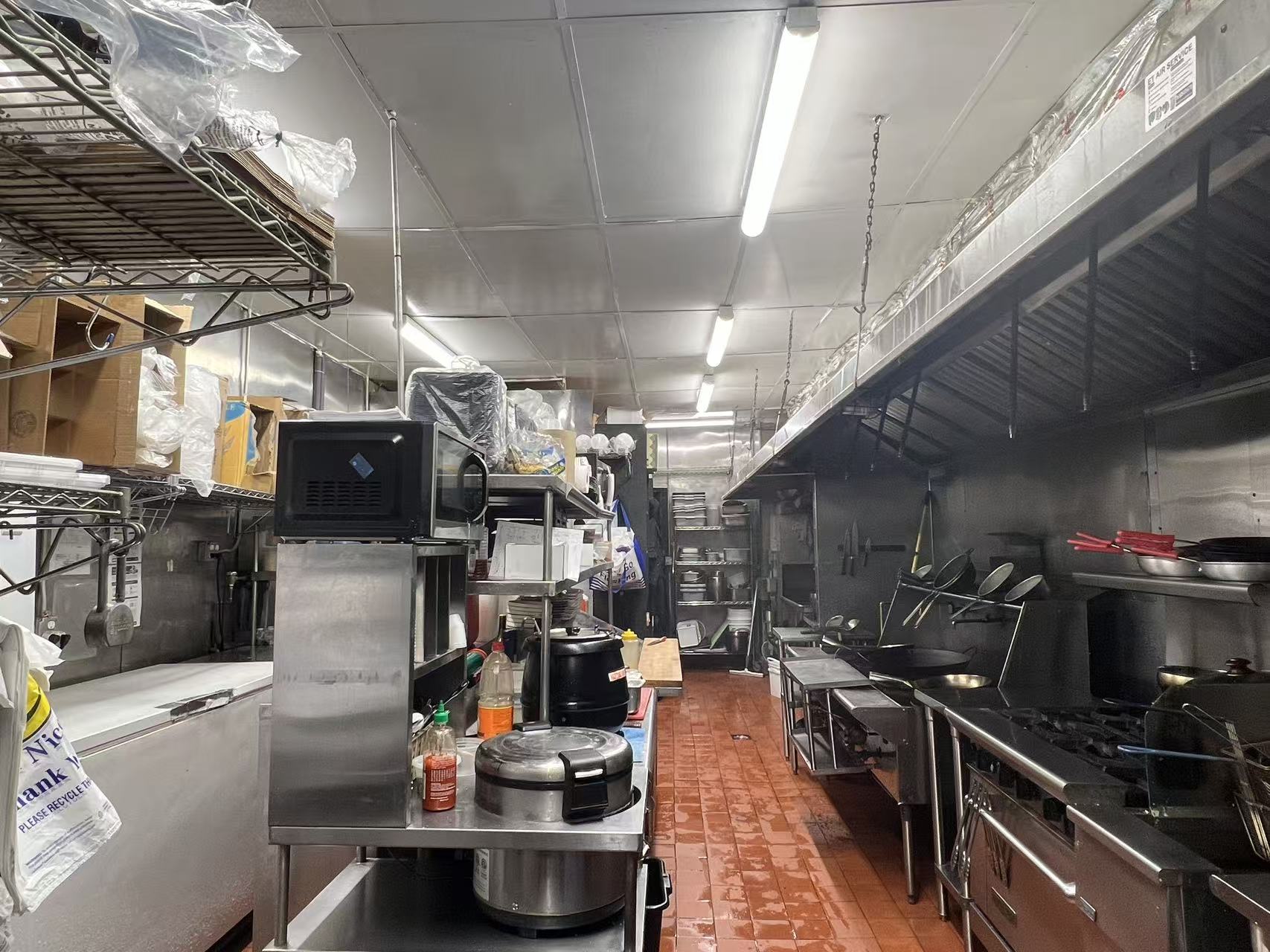
A buyer acquires equipment, fixtures, furniture, and restaurant infrastructure without taking on the prior operating company.

Review restaurant business sales, asset sales, financials, and lease details in New York City.
Browse all restaurants for sale nationwide on PepperLot.
Compare space options for the same market without leaving this city guide.
List it free on PepperLot and reach food and beverage buyers.
Map view
Available Listings
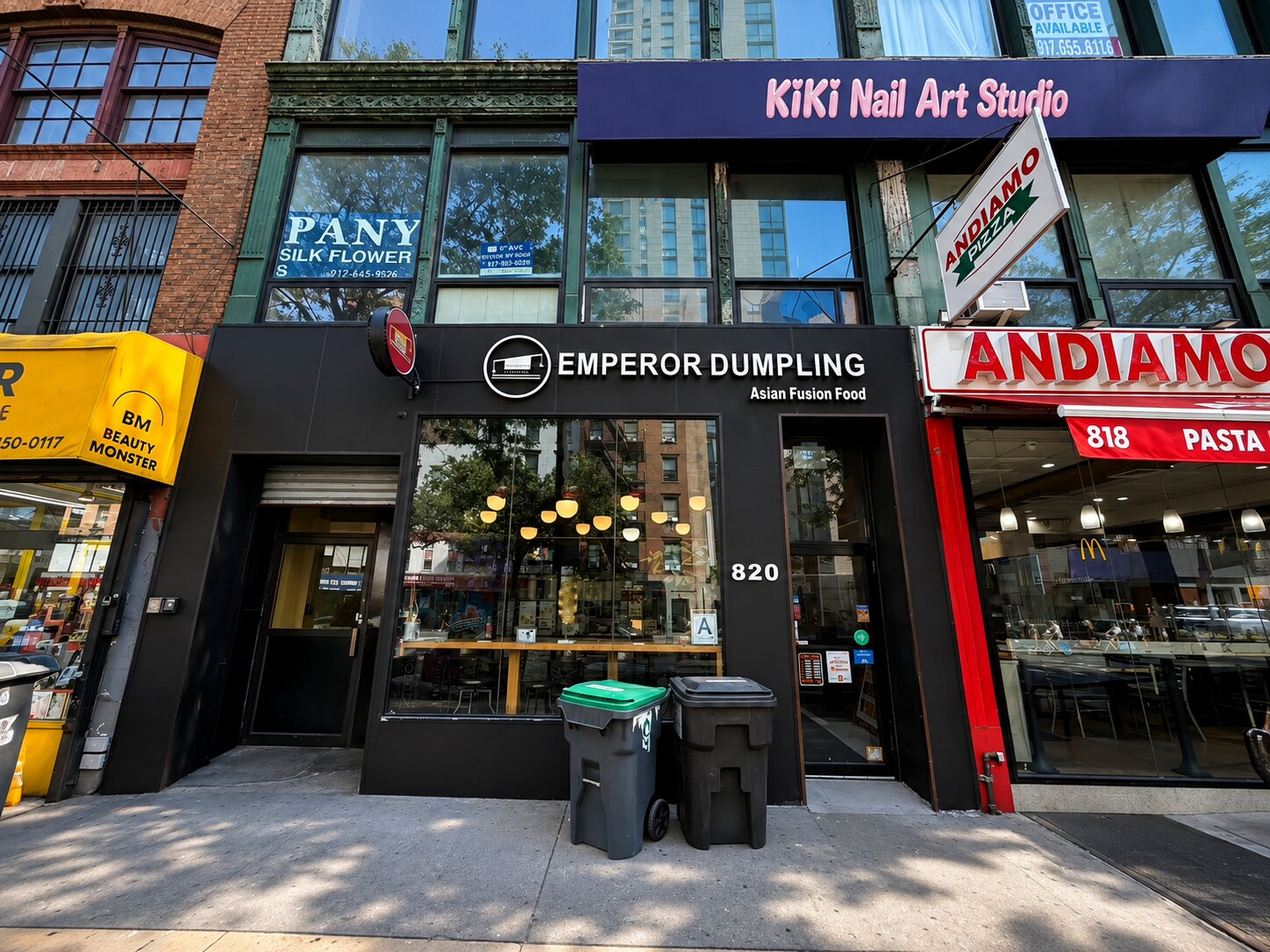
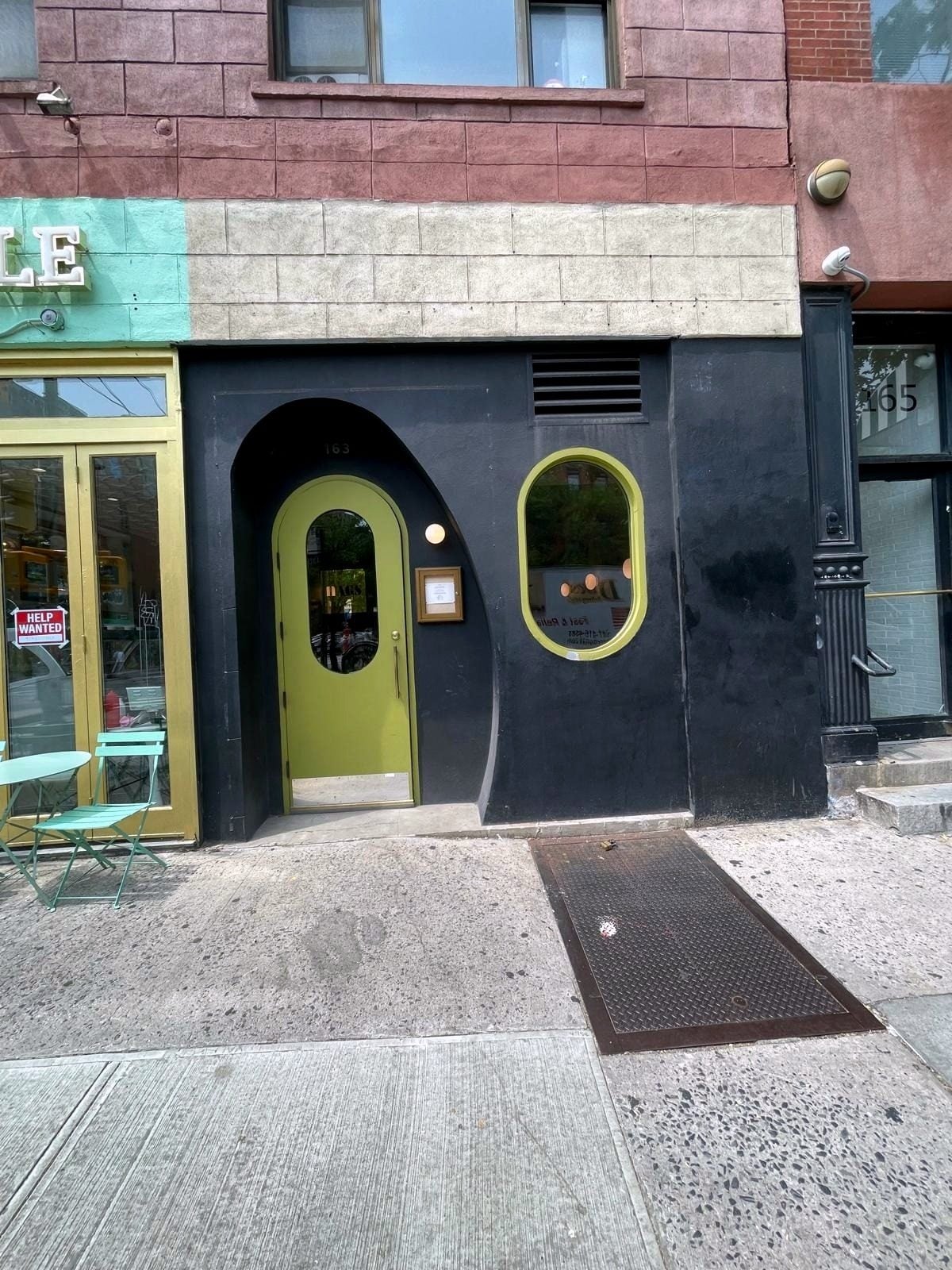
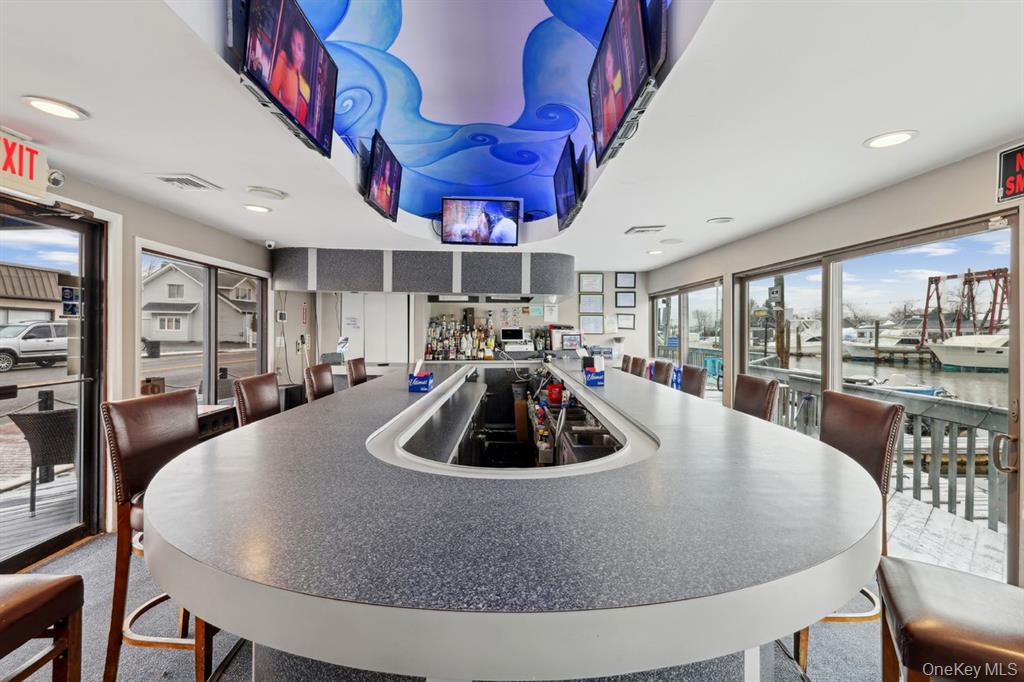
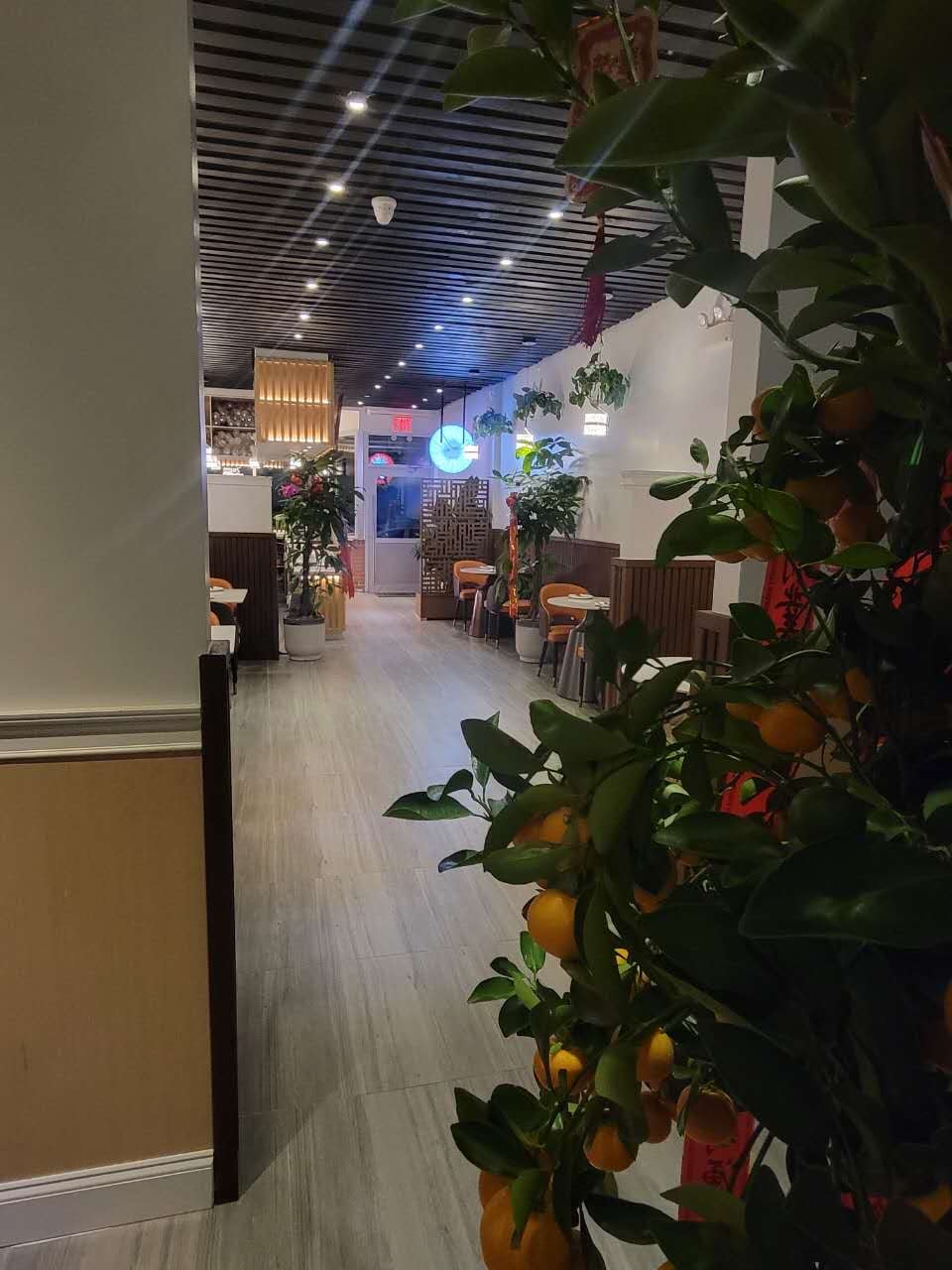
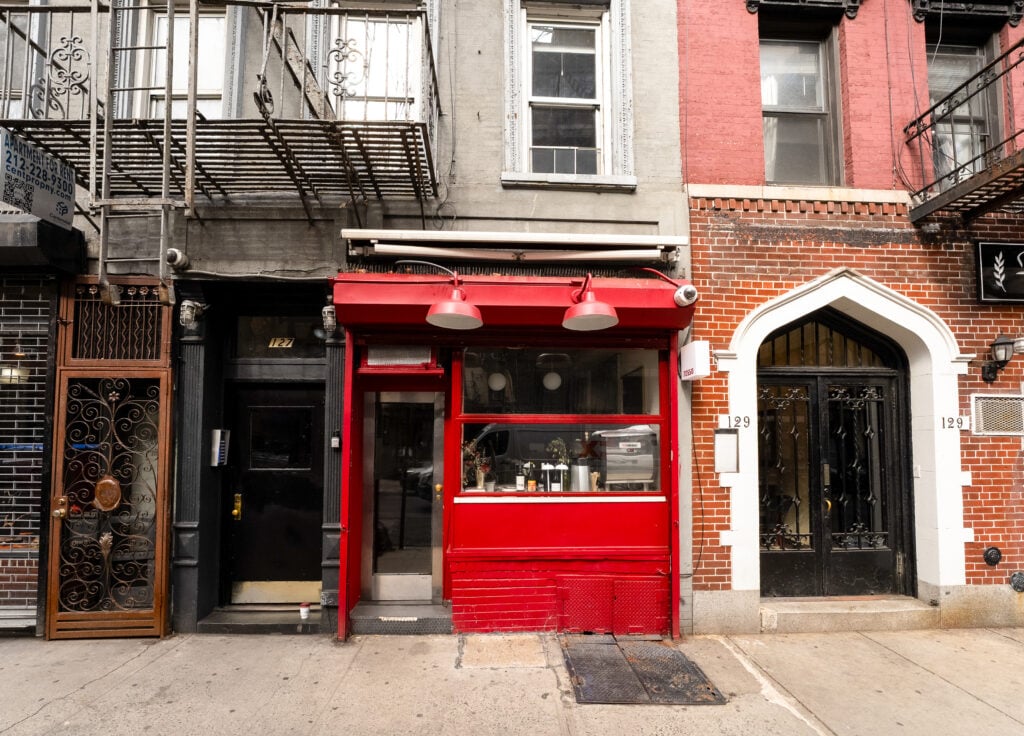
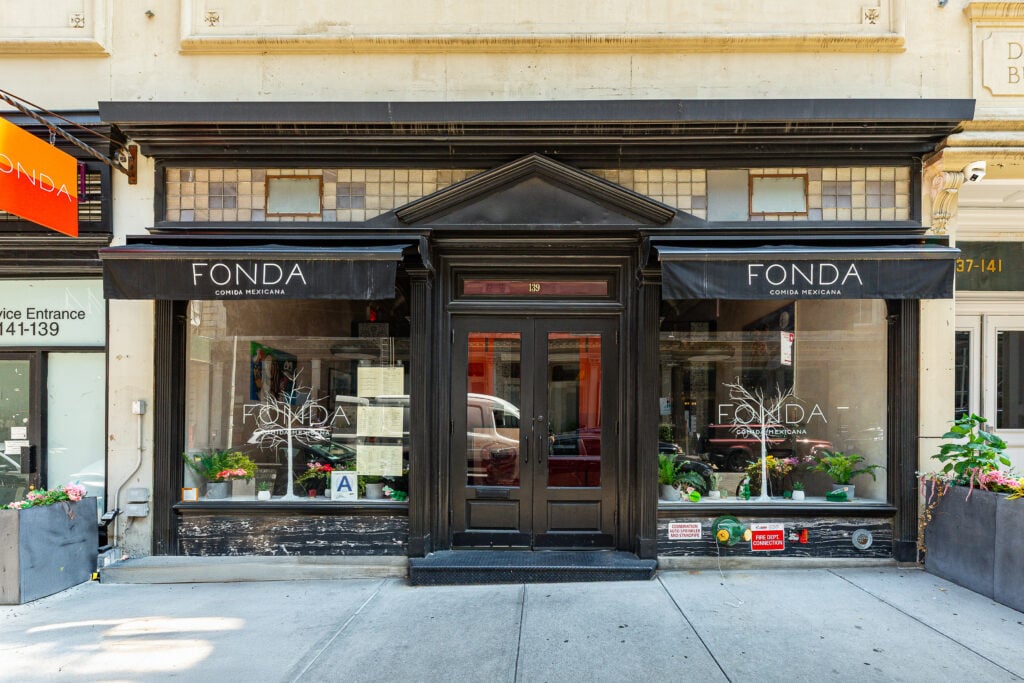
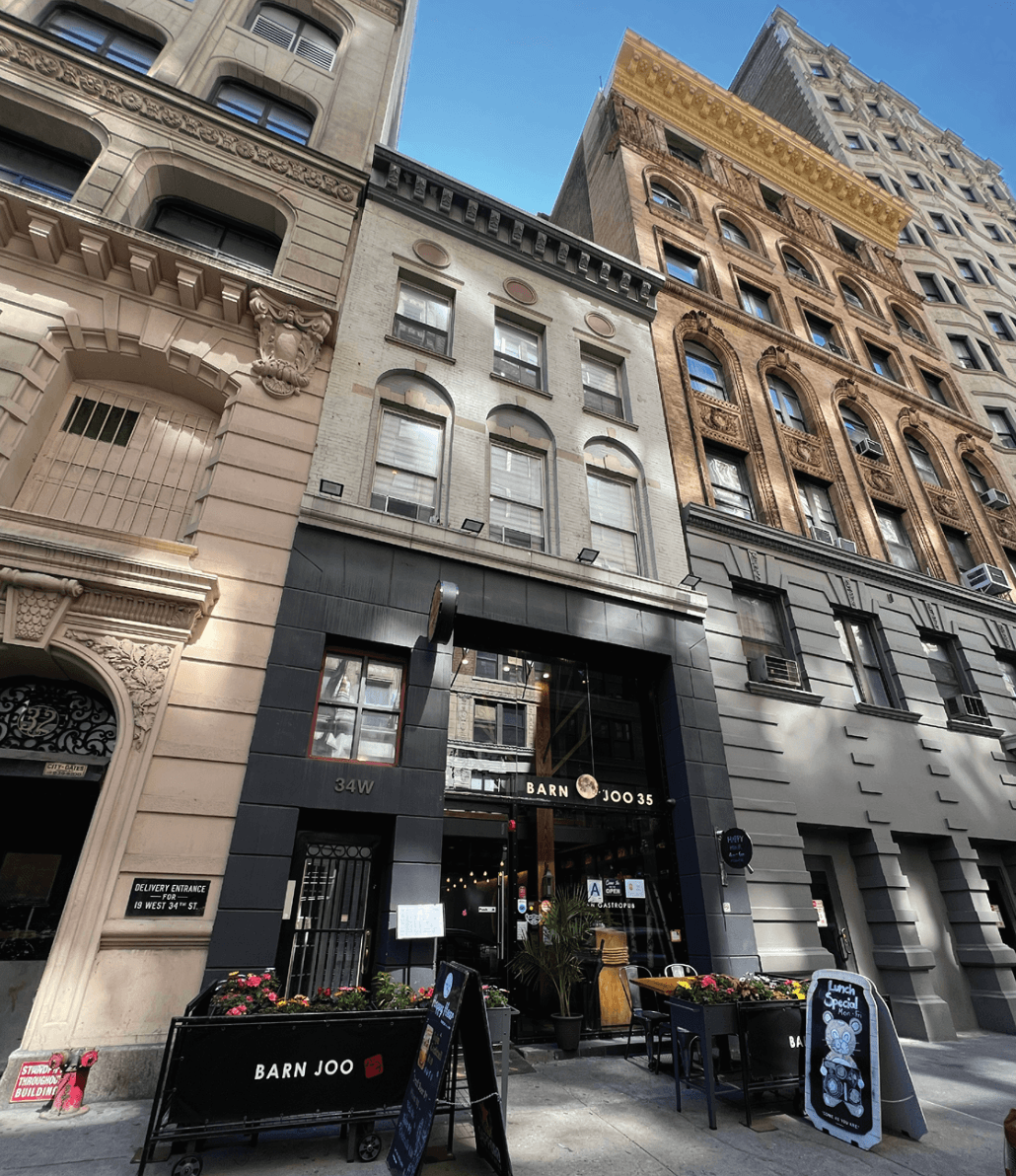
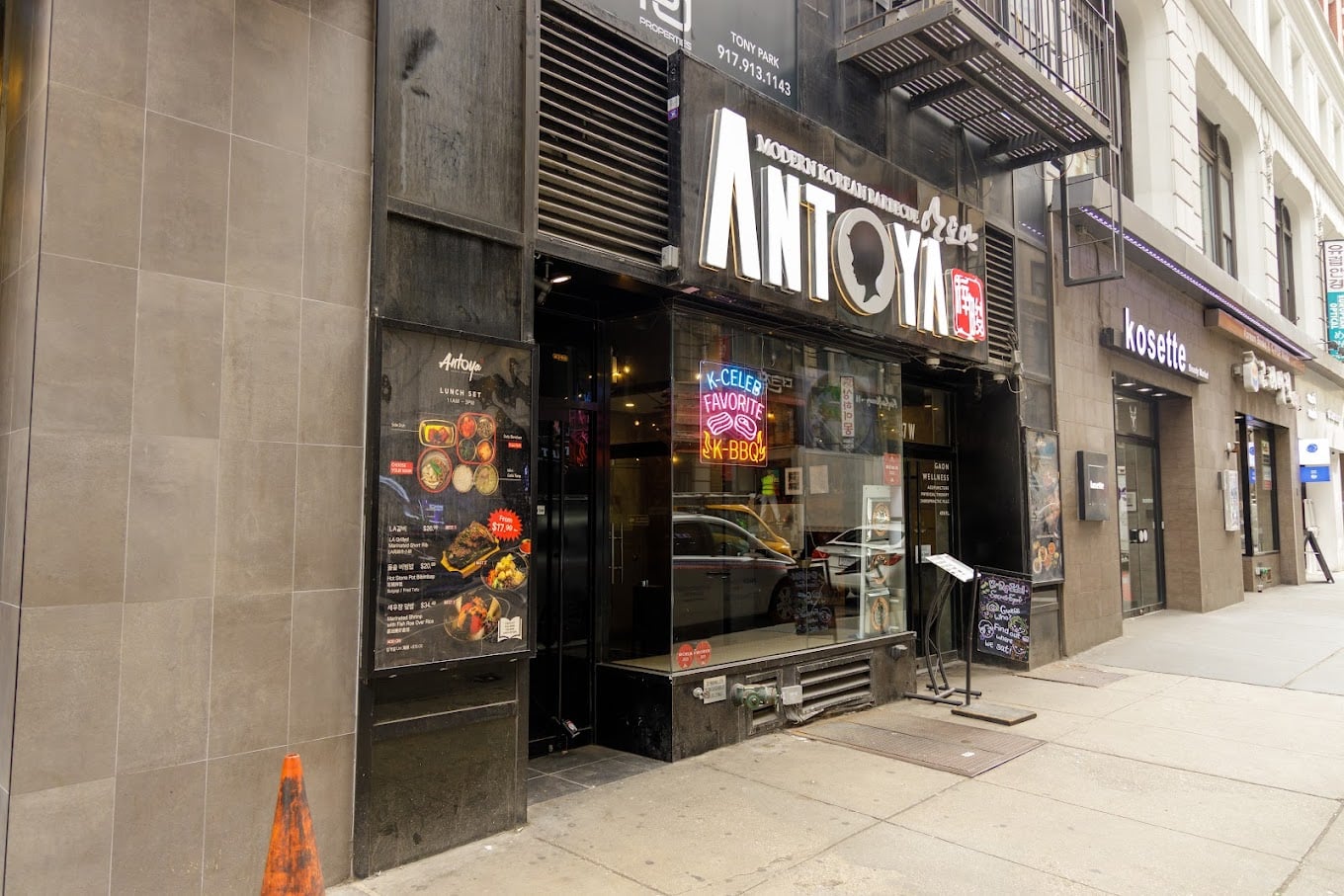
Asset sales, business sales, and restaurant-ready real estate nearby.
Market Context
Manhattan is the most expensive restaurant real estate market in the United States and one of the most expensive in the world. Lease rates on Madison Avenue, Park Avenue, and parts of Soho exceed $200 per square foot annually. The market rewards concepts that can sustain very high average tickets across multiple meal periods or generate exceptional volume.
Lease rates outside the most premium corridors are still high relative to almost any other US market. Upper East Side, Upper West Side, and the West Village typically run $100 to $170 per square foot. Harlem, the Lower East Side, and Hell's Kitchen are Manhattan's most accessible submarkets at $80 to $140. Even these rates exceed prime locations in most other US cities.
Manhattan's restaurant economics are unforgiving but the upside is real. Prime locations support some of the highest revenues per square foot in the world, supported by 1.6 million daytime workers, 800,000 tourists daily, and a permanent residential population in the millions. Concepts that find product market fit in Manhattan can generate the highest absolute returns in the US restaurant industry.
Local Links
New York City restaurant opportunities span all five boroughs, each with different entry costs, customer bases, and concept fit.
Sale Types
A buyer acquires equipment, fixtures, furniture, and restaurant infrastructure without taking on the prior operating company.
A buyer acquires the operating business, brand, staff continuity, vendor relationships, and transfer documents tied to the acquisition.
A buyer acquires the real estate along with restaurant improvements, building systems, and site control.
Price Context
Asking prices vary by market, concept, profitability, equipment condition, and whether real estate is included. Buyers often compare asset sales below $250,000, business sales from $250,000 to $1,000,000, and property sales above that range.
In New York City, review the asking price against kitchen infrastructure, seating, alcohol license status, seller financing terms, and local permit transfer requirements.
Licenses and Permits
Before completing a restaurant acquisition in New York City, confirm NY alcohol license transfer, health permits, business licenses, signage approvals, and local operating permits with the agencies that control the address.
Permit transfer rules vary by market, so buyers should verify what transfers with the business sale, what requires a new application, and what must be approved by the landlord or property owner.
For Owners & Brokers
Built exclusively for restaurant real estate.
Every listing on Pepperlot is a restaurant or F&B space. No warehouses, offices, or unrelated commercial properties diluting your New York City search.
Hood systems, grease traps, walk-in coolers, SLA permits, alcohol licenses, seating capacity, patio availability. The details that drive restaurant decisions are in every listing.
Cuisine gap analysis, demographic data, and competitive landscape information for New York City. Make a more informed decision before committing capital or signing a lease.
Some of the best New York City restaurant opportunities are listed confidentially. Pepperlot gives you access to off market opportunities not available on general platforms.
Platform
A step-by-step approach to acquiring your next location.
Filter New York City listings by transaction type, size, price, and specific features like hood systems, grease traps, outdoor seating, and SLA alcohol licenses. Every listing includes the operational details that matter for restaurant acquisitions in New York.
Understand whether you are acquiring a full business, assets only, or a property outright. Each structure carries different liabilities, transition timelines, and entry costs. Asset sales protect buyers from prior liabilities. Business sales require deeper due diligence on financials, staff, and SLA license transferability.
Each listing displays the seller or broker's contact details. Reach out directly. Ask for three years of financial statements, lease documents, and SLA license details. For New York transactions, also confirm the status of any DOB Letter of No Objection, Place of Assembly certificate, and Department of Health permits.
New York City lease rates range from $80 to $250 per square foot annually depending on submarket and location. Confirm the remaining lease term, renewal options, CAM charges, and SLA license type and transfer status. Personal guarantees and good guy guarantees are standard in New York commercial leases, particularly in NYC.
About PepperLot
PepperLot organizes restaurant acquisitions around the details buyers need in New York City: sale structure, equipment, permits, seating, and property context.

New York City restaurant acquisitions vary by submarket and concept type. Asset sales typically start from $120k+. Full business sales range from $300k+ to over $3.5M+ for established concepts in prime submarkets like Midtown and Madison Avenue, Soho, Tribeca, and the Meatpacking District, Upper East Side, Upper West Side, and the West Village. Confirm at least three years of financials and SLA license status before making any offer.
New York City restaurant lease rates run roughly $80 to $250 per square foot annually, with the higher end of the range applying to prime submarkets and the lower end to emerging or suburban areas. NNN structures and CAM charges typically add another $8 to $18 per square foot annually.
Pepperlot lists business sales, asset sales, and property sales across New York City. Asset sales transfer equipment and lease only, keeping the seller's prior liabilities out of the transaction. Business sales include the full operation, brand, SLA license where transferable, and staff. Property sales are outright real estate purchases.
Any restaurant in New York City that serves alcohol requires a State Liquor Authority (SLA) license. New York State Liquor Authority license transfers in Manhattan typically take 90 to 180 days. License types include on-premises liquor, beer and wine, and special restaurant licenses. Some submarkets are 500 foot rule constrained, requiring SLA review for new licenses near schools or houses of worship. Confirm the license type and transfer requirements with both the seller and SLA before closing.
On Pepperlot, the most active New York City submarkets currently are Midtown and Madison Avenue, Soho, Tribeca, and the Meatpacking District, Upper East Side, Upper West Side, and the West Village. Each carries different customer demographics, lease economics, and concept fit, so the best submarket depends substantially on the concept being acquired or planned.
Yes. Listing on Pepperlot is free. Create a New York City-specific listing with details like hood systems, seating, SLA license type, and lease terms. Confidential listing options are available for sellers who prefer to reach buyers without publicly disclosing the business identity.