Confirm the space fit
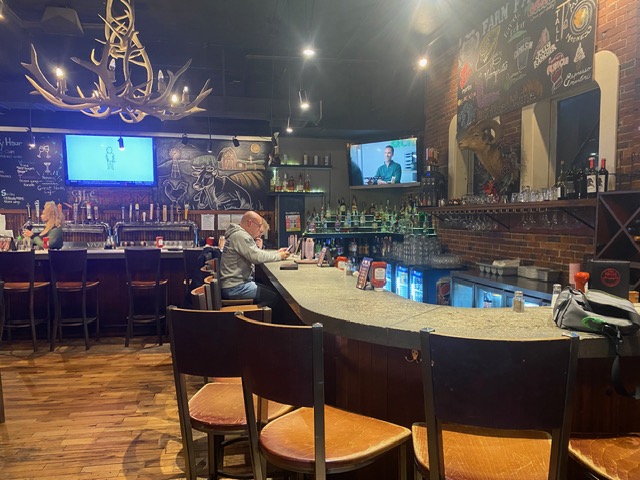
Compare hood, grease trap, walk-in, seating, patio, parking, utilities, and build-out condition before touring.

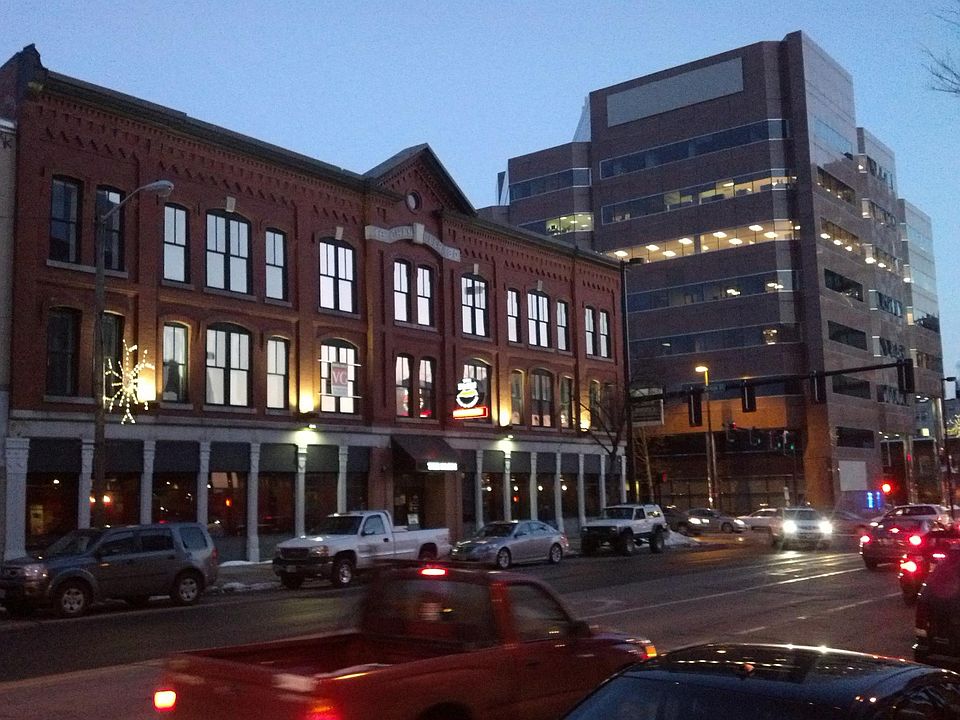
Review restaurant spaces for lease, second-generation build-outs, assignments, and subleases in Manchester.
Browse all restaurant space for lease nationwide on PepperLot.
Compare acquisition options for the same market without leaving this city guide.
Related Formats
Map view
Available Listings
While inventory is limited in Manchester, explore the market guide below or get notified when new restaurant spaces for lease are listed.
Save this market and we'll email you when new restaurant spaces for lease match your criteria.
Market Context
What tenants need to understand about leasing restaurant space in Manchester.
Manchester is New Hampshire's largest city with approximately 115,000 residents and the commercial anchor of a metro area of approximately 415,000 across Hillsborough County. The economy combines a substantial financial services workforce (Fidelity Investments operates one of its largest campuses here), Southern New Hampshire University (the largest non-profit university in the United States by enrollment, with most students online but a meaningful Manchester presence), Elliot Hospital, Catholic Medical Center, and a growing technology cluster tied to the converted mill spaces along the Merrimack River. The Manchester-Boston Regional Airport adds steady business traveler demand.
Restaurant lease rates in Manchester are among the most accessible in any New England metro of comparable size, reflecting New Hampshire's lower cost structure and the absence of a state sales tax. Prime Downtown Elm Street commands $28 to $42 per square foot annually. The Manchester Millyard along Commercial Street runs $26 to $38. The South Willow Street commercial corridor ranges $24 to $36. The North End and River District residential corridors offer the most accessible entry at $22 to $34 per square foot. The market has seen meaningful rent growth since 2020 but remains substantially below comparable Massachusetts markets.
Manchester restaurant acquisitions involving alcohol service must work through the New Hampshire Liquor Commission (NHLC) Division of Enforcement and Licensing. New Hampshire is one of the most distinctive alcohol licensing jurisdictions in the United States: the state operates a retail monopoly on off-premise liquor sales through the NH Liquor and Wine Outlet stores, but on-premise restaurant licensing is comparatively straightforward and not quota-limited. Restaurant license types include Restaurant Liquor License (full beer, wine, and spirits service) and Restaurant Beer and Wine License. Licenses do not transfer with the property; buyers must apply separately. The 9 percent Meals and Rentals Tax applies to all prepared food sales and is paid by the customer. New Hampshire's lack of a state sales tax makes restaurant pricing economics distinctive in the broader New England context.
Local Links
Manchester restaurant lease opportunities span several distinct submarkets, each with different rent profiles and operating characteristics.
Tenant Guide
Compare hood, grease trap, walk-in, seating, patio, parking, utilities, and build-out condition before touring.
Ask whether the rentable opportunity is a direct lease, assignment, sublease, or turnkey build-out with existing restaurant infrastructure.
Confirm landlord consent, use approvals, health permits, alcohol licensing, signage, and local inspections for the address.
Compare base rent, NNN, tenant improvements, equipment needs, deposits, and permit costs before submitting an offer.
For Owners & Brokers
Built exclusively for restaurant real estate. Not a general commercial platform with a restaurant filter.
Every listing on Pepperlot is a restaurant or F&B space, with operational filters for hood, grease trap, walk-in, patio, drive-thru, and infrastructure status.
License history, seating capacity, health department permit notes, and city-specific zoning context for each submarket.
Submarket rent ranges, typical concession packages, lease term norms, and the regulatory specifics that determine whether a lease is workable for your concept.
Reach the listing broker or landlord directly. No lead routing, no middlemen. Pepperlot is a listing platform that connects tenants with the parties that control the space.
Platform
What to expect when securing a restaurant lease in Manchester.
Before browsing Manchester lease space, define your cuisine, target check size, daypart focus, seating capacity, and whether alcohol service is required. These decisions drive submarket selection and the infrastructure required in any leased space.
Manchester lease rates run $22 to $42 per square foot annually across submarkets. Filter by neighborhood, square footage, hood specs, grease trap capacity, walk-in cooler size, and second-generation vs first-generation status.
If your concept requires alcohol service, evaluate New Hampshire license feasibility before signing the lease. Licenses do not transfer with the property, so any tenant planning alcohol service must apply separately. Building a no-license concept can be a faster path to opening.
Walk every space with a contractor familiar with New Hampshire restaurant buildouts. Verify hood CFM matches your equipment plan, grease trap capacity matches your sewer flow, electrical service supports your load, and HVAC capacity matches your seating.
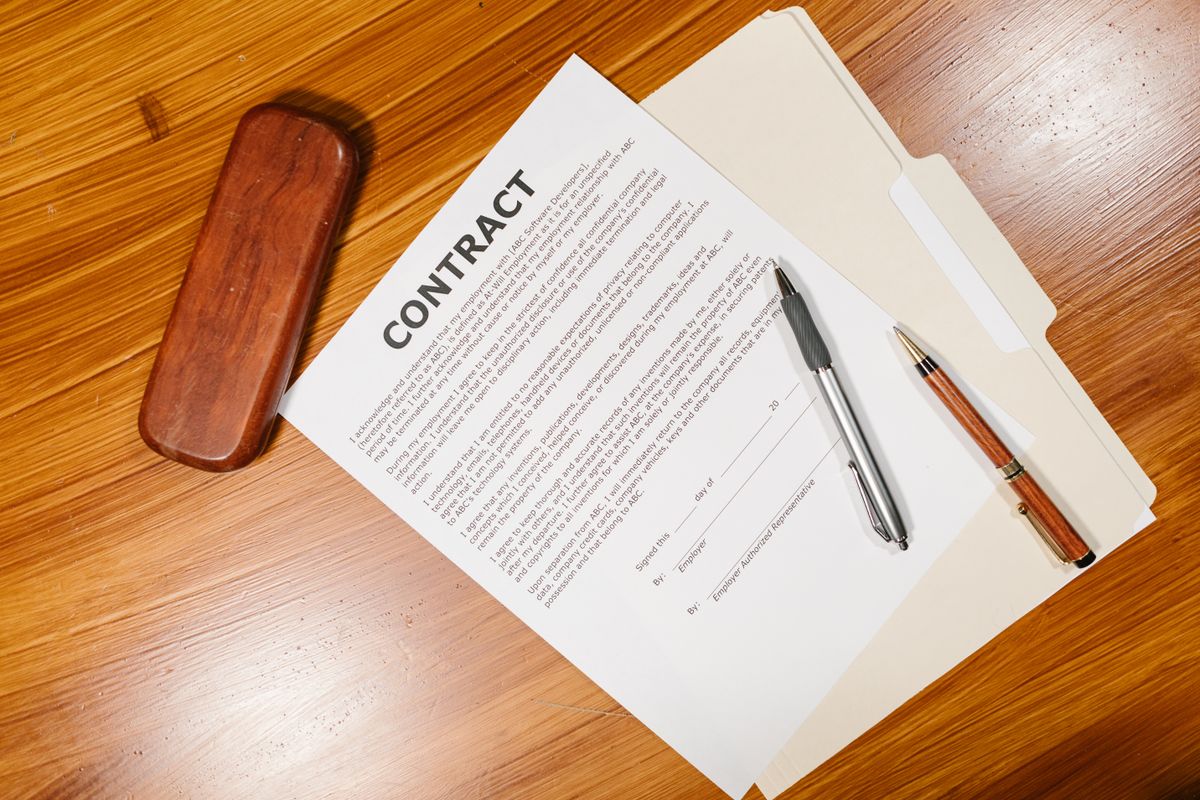
New Hampshire restaurant leases typically run five to ten years with one or two five-year options. Negotiate free rent, tenant improvement allowance, exclusivity for your cuisine type, signage rights, and the scope of personal guarantees. Have a New Hampshire-licensed commercial real estate attorney review before signing.
About PepperLot
PepperLot organizes restaurant space searches around the details tenants need in Manchester: build-out condition, hood, grease trap, seating, rent structure, and permit context.

Manchester restaurant lease rates run $22 to $42 per square foot annually depending on the corridor, age of the space, and infrastructure already in place. Walkable premium corridors command the high end of that range. Suburban and outer-neighborhood corridors offer the most accessible rates. Beyond base rent, tenants should factor in CAM (common area maintenance), property tax pass-through, insurance, and any landlord-required tenant improvements.
A second-generation space already has restaurant infrastructure in place: hood, grease trap, walk-in cooler, plumbing for prep sinks, ventilation, and often FF&E. First-generation (vanilla shell) requires building all of that from scratch, which typically adds $200 to $500 per square foot in buildout costs and several months to opening. Manchester's second-generation lease inventory is particularly valuable given rising restaurant construction costs.
New Hampshire restaurant on-premise licenses are issued by the New Hampshire Liquor Commission (NHLC) Division of Enforcement and Licensing. Unlike states such as Utah, Massachusetts, and New Jersey, New Hampshire does not operate a quota system for on-premise restaurant licenses, making the licensing process comparatively accessible. License types include the Restaurant Liquor License (full beer, wine, and spirits service) and the Restaurant Beer and Wine License. The state operates a retail monopoly on off-premise liquor sales through the NH Liquor and Wine Outlet stores, but this is separate from on-premise restaurant licensing. Licenses do not transfer with the business or property sale; any buyer must apply separately to NHLC. The 9 percent Meals and Rentals Tax applies to all prepared food and beverage sales.
New Hampshire is one of only five US states without a general state sales tax. Instead, the state applies a 9 percent Meals and Rentals Tax to all prepared food and beverage sales at restaurants, plus a 9 percent tax on lodging. The Meals and Rentals Tax is paid by the customer and remitted by the restaurant operator monthly to the New Hampshire Department of Revenue Administration. The absence of a general sales tax produces distinctive restaurant pricing and customer draw economics, particularly for southern New Hampshire cities on the Massachusetts border and Upper Valley cities on the Vermont border.
Manchester restaurant leases typically run five to ten year initial terms with one or two five-year renewal options. Triple-net (NNN) structures are standard, meaning the tenant pays base rent plus their proportionate share of property tax, insurance, and CAM. Personal guarantees are common. Free rent periods of two to four months are typical for second-generation space and can extend to six or more for first-generation buildouts.
Confirm the use clause specifically permits your cuisine and any alcohol service planned. Verify license feasibility for your concept before signing if alcohol service is essential. Verify health department permitting feasibility for the proposed layout. Confirm hood capacity, grease trap capacity, and electrical capacity match your equipment plan. Check Manchester city zoning and any pending entitlement work. Review CAM history for the past three years.