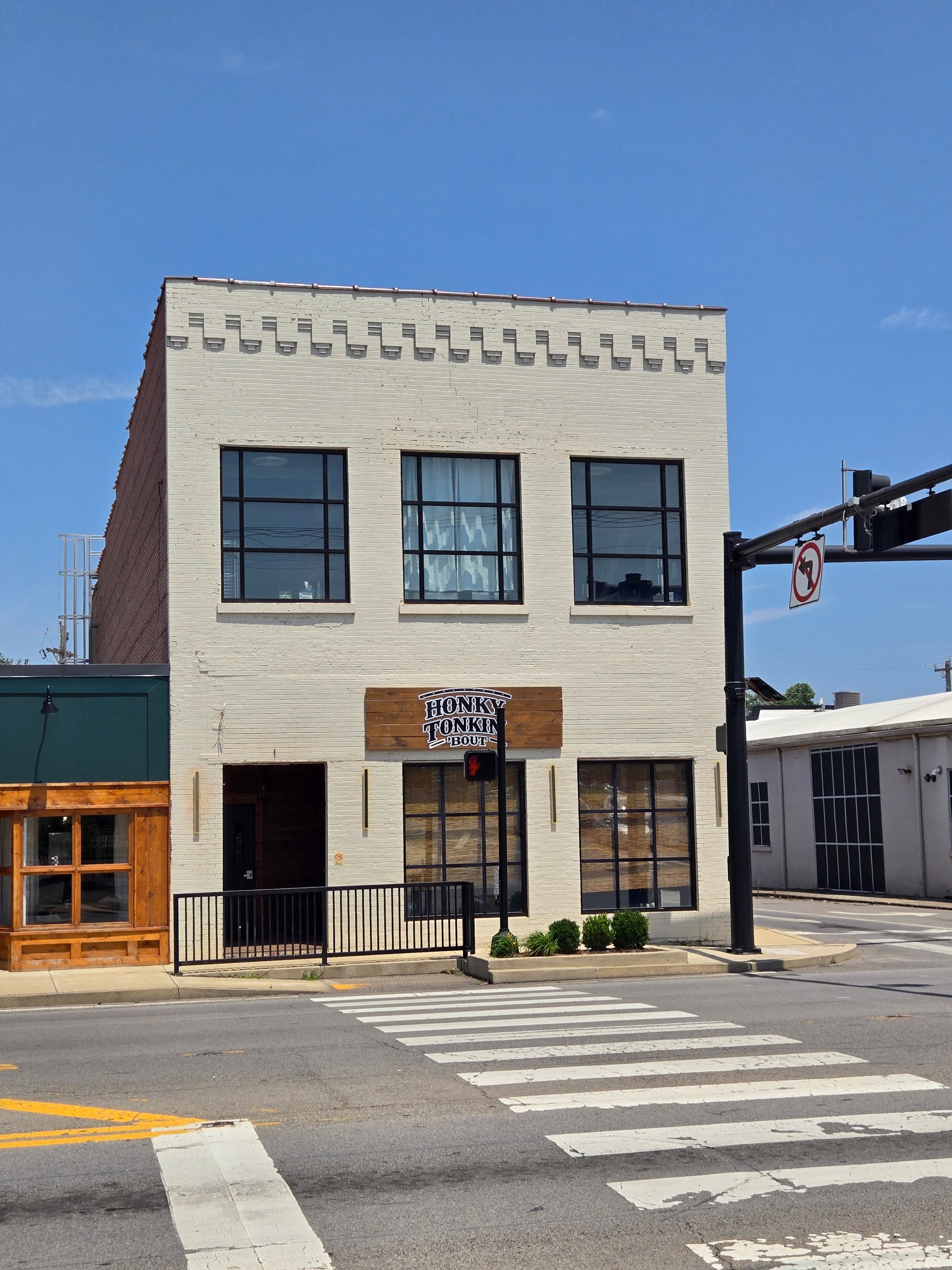
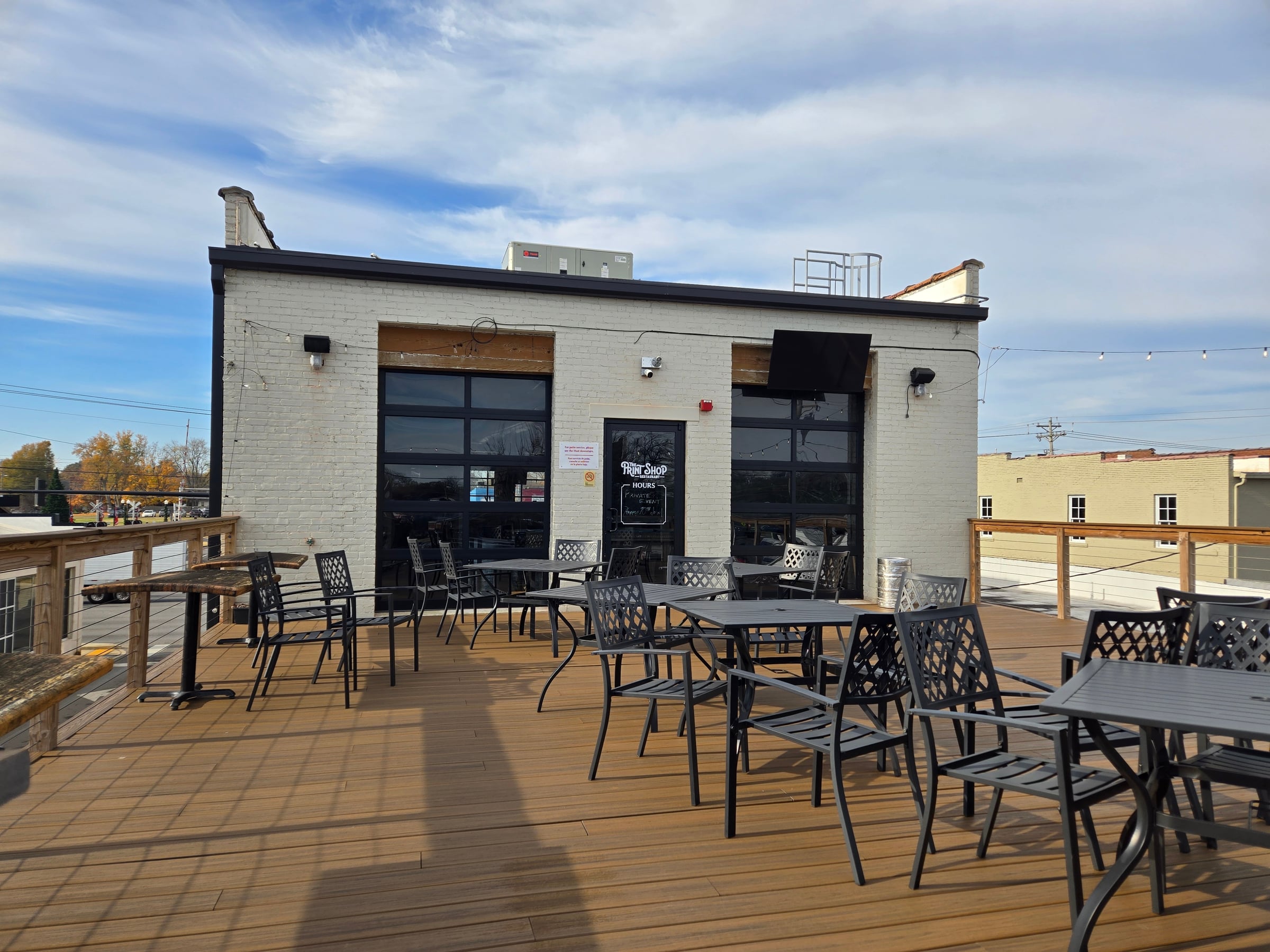
Asset Sale
A buyer acquires equipment, fixtures, furniture, and restaurant infrastructure without taking on the prior operating company.

Review restaurant business sales, asset sales, property sales, and acquisition details in Tennessee.
Browse all restaurants for sale nationwide on PepperLot.
Compare space options for the same market without leaving this city guide.
List it free on PepperLot and reach food and beverage buyers.
Map view
Available Listings
While inventory is limited in Tennessee, explore the market guide below or get notified when new restaurants for sale are listed.
Save this market and we'll email you when new restaurants for sale match your criteria.
Market Context
Key figures buyers and sellers need to understand the Tennessee restaurant acquisition market.
Tennessee operates approximately 14,000 restaurant locations generating over $20 billion in annual sales. The state has experienced one of the most dynamic restaurant market expansions in the country over the last decade, anchored by Nashville's transformation into a destination food city. Memphis maintains its position as the heart of American BBQ, Knoxville benefits from the University of Tennessee and tourism, and Chattanooga continues its downtown revival with a growing independent restaurant scene.
Lease rates span an unusually wide range. Prime Nashville locations in the Gulch, Music Row, 12 South, and Downtown command $52 to $85 per square foot annually, comparable to many top tier urban markets. Memphis's Cooper-Young, Overton Square, and Downtown range from $24 to $45 per square foot. Knoxville's Market Square and Old City run $20 to $36. Chattanooga's NorthShore and Southside run $20 to $36. Secondary markets like Murfreesboro, Franklin, Johnson City, and Clarksville typically range from $16 to $32 per square foot.
Tennessee restaurant acquisitions involving liquor require a TABC liquor by the drink license, which requires food sales of at least 50% of gross revenue to maintain. License transfers typically take 60 to 90 days and require local government approval in addition to state ABC approval. Tennessee has no state personal income tax on wages, which is a meaningful operator advantage. Buyers should confirm license type, food sales ratio compliance, and any local restrictions during due diligence.
Local Links
Tennessee restaurant opportunities span distinct regional markets, each with different entry costs, demographics, and buyer demand.
Sale Types
A buyer acquires equipment, fixtures, furniture, and restaurant infrastructure without taking on the prior operating company.
A buyer acquires the operating business, brand, staff continuity, vendor relationships, and transfer documents tied to the acquisition.
A buyer acquires the real estate along with restaurant improvements, building systems, and site control.
Price Context
Asking prices vary by market, concept, profitability, equipment condition, and whether real estate is included. Buyers often compare asset sales below $250,000, business sales from $250,000 to $1,000,000, and property sales above that range.
In Tennessee, review the asking price against kitchen infrastructure, seating, alcohol license status, seller financing terms, and local permit transfer requirements.
Licenses and Permits
Before completing a restaurant acquisition in Tennessee, confirm TN alcohol license transfer, health permits, business licenses, signage approvals, and local operating permits with the agencies that control the address.
Permit transfer rules vary by market, so buyers should verify what transfers with the business sale, what requires a new application, and what must be approved by the landlord or property owner.
For Owners & Brokers
Built exclusively for restaurant real estate. Not a general commercial platform with a restaurant filter.
Every listing on Pepperlot is a restaurant or F&B space. No warehouses, offices, or unrelated commercial properties diluting your search.
Hood systems, grease traps, walk-in coolers, permits, alcohol licenses, seating capacity, patio availability. The details that drive Tennessee restaurant acquisition decisions are in every listing.
Cuisine gap analysis, foot traffic demand, and competitive landscape data for Tennessee locations. Make a more informed acquisition decision before committing.
Some of the best Tennessee restaurant opportunities are listed confidentially. Pepperlot gives you access to off-market deals not available on general platforms.
Platform
What to expect when acquiring a restaurant through Pepperlot anywhere in Tennessee.
Filter Tennessee listings by city, transaction type, size, price, and specific features like hood systems, grease traps, outdoor seating, and TABC liquor by the drink license inclusion. Every listing includes the operational details that matter for Tennessee restaurant acquisitions, including the critical food sales ratio context for licensed restaurants.
Tennessee's four major markets (Nashville, Memphis, Knoxville, Chattanooga) operate as distinct economies with very different lease rates, customer demographics, and growth trajectories. Nashville concepts often require 2 to 3 times the operating capital of equivalent Memphis or Chattanooga concepts. Match your concept and capital base to the right market before pursuing an acquisition.
Each listing displays the seller or broker contact details. Reach out directly. Ask for three years of financial statements, the lease document, and TABC liquor license details if applicable. For licensed restaurants, confirm the food sales ratio (must be at least 50% of gross revenue) has been compliant historically, as license renewal depends on it.
Tennessee lease rates range from $14 to $85 per square foot annually depending on market and location. Nashville Gulch and Music Row leases often include strong percentage rent provisions and longer personal guarantee terms. Memphis, Knoxville, and Chattanooga leases follow more conventional NNN structures with negotiable burnoffs after 24 to 36 months. CAM charges in Nashville run higher than the state average.
About PepperLot
PepperLot organizes restaurant acquisitions around the details buyers need in Tennessee: sale structure, equipment, permits, seating, and property context.

Tennessee restaurant acquisitions range widely across the state's four primary markets. Asset sales typically start from $35,000 to $150,000. Full business sales range from $140,000 to over $2,500,000. Nashville commands by far the highest prices given the market's growth trajectory, with Memphis, Knoxville, Chattanooga, and secondary markets offering more accessible entry costs.
Tennessee restaurant lease rates vary dramatically by market. Prime Nashville locations in the Gulch, Music Row, 12 South, and Downtown run $52 to $85 per square foot annually. Memphis's Cooper-Young, Overton Square, and Downtown average $24 to $45. Knoxville's Market Square and Chattanooga's NorthShore run $20 to $36. Secondary markets like Murfreesboro, Franklin, Johnson City, and Clarksville run $16 to $32 per square foot annually.
Tennessee restaurants serving liquor require a TABC liquor by the drink license, which requires food sales of at least 50% of gross revenue on an ongoing basis. The license requires both state ABC approval and local government approval, and transfers typically take 60 to 90 days. Buyers should confirm food sales ratio compliance during due diligence, as license renewal depends on it. Wine and beer only licenses follow a separate, simpler path.
Nashville has experienced one of the fastest restaurant market expansions in the United States over the last decade, driven by population growth, tourism (12+ million annual visitors), the state's no income tax structure attracting hospitality operators, and concentrated music industry and tech sector wealth. The Gulch, Music Row, 12 South, and East Nashville have all seen sustained restaurant valuation growth that places Nashville among the most active markets in the southeast.
Yes. Listing on Pepperlot is free. Create a restaurant specific listing with details like hood systems, seating, TABC license type and food sales ratio, and lease terms, and your space is in front of buyers the same day. Confidential listing options are also available.