
Restaurants for Lease & Rent
Browse restaurant spaces for lease, second-generation spaces, and turnkey build-outs across the United States.
Map view
Listings Nationwide
Available Listings
Restaurant Spaces for Lease Nationwide
Restaurant spaces, subleases, and second-generation lease opportunities nationwide.
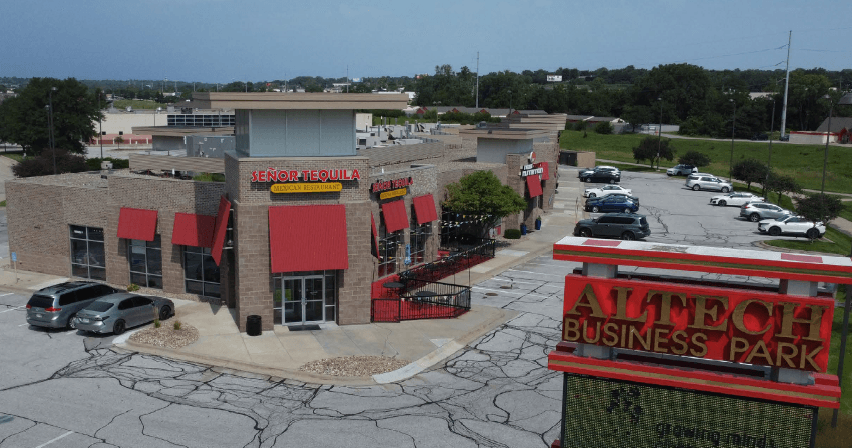
- Parking
- Bar Area
- Grease Trap
- 3-Comp Sink
- Hood: Type 1
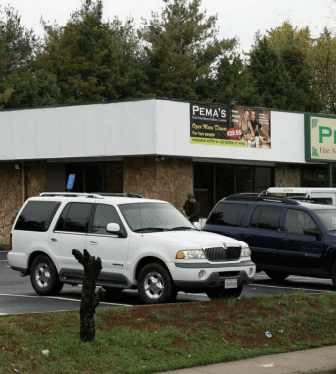
- Parking
- Grease Trap
- 3-Comp Sink
- Hood: Type 1
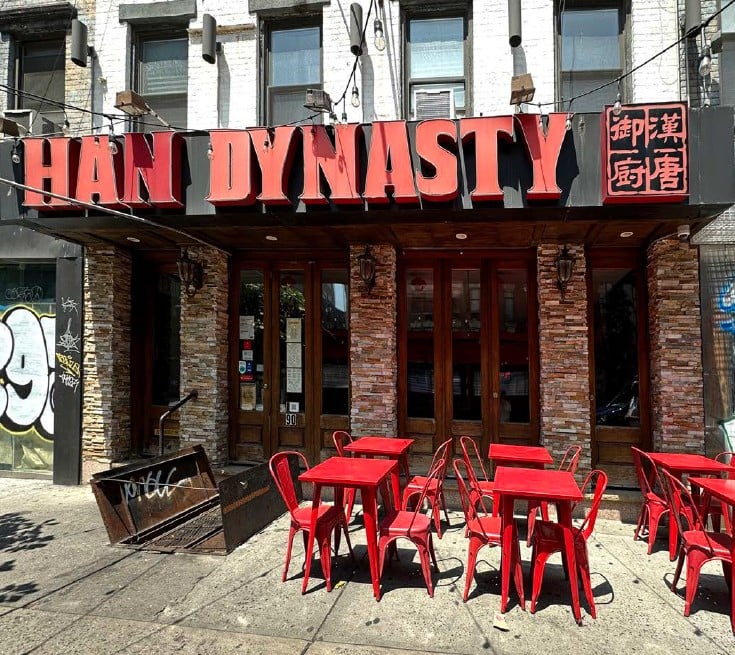
- Walk-In Cooler
- Walk-In Freezer
- Equipment Included
- Grease Trap
- 3-Comp Sink
- Hood: Type 1
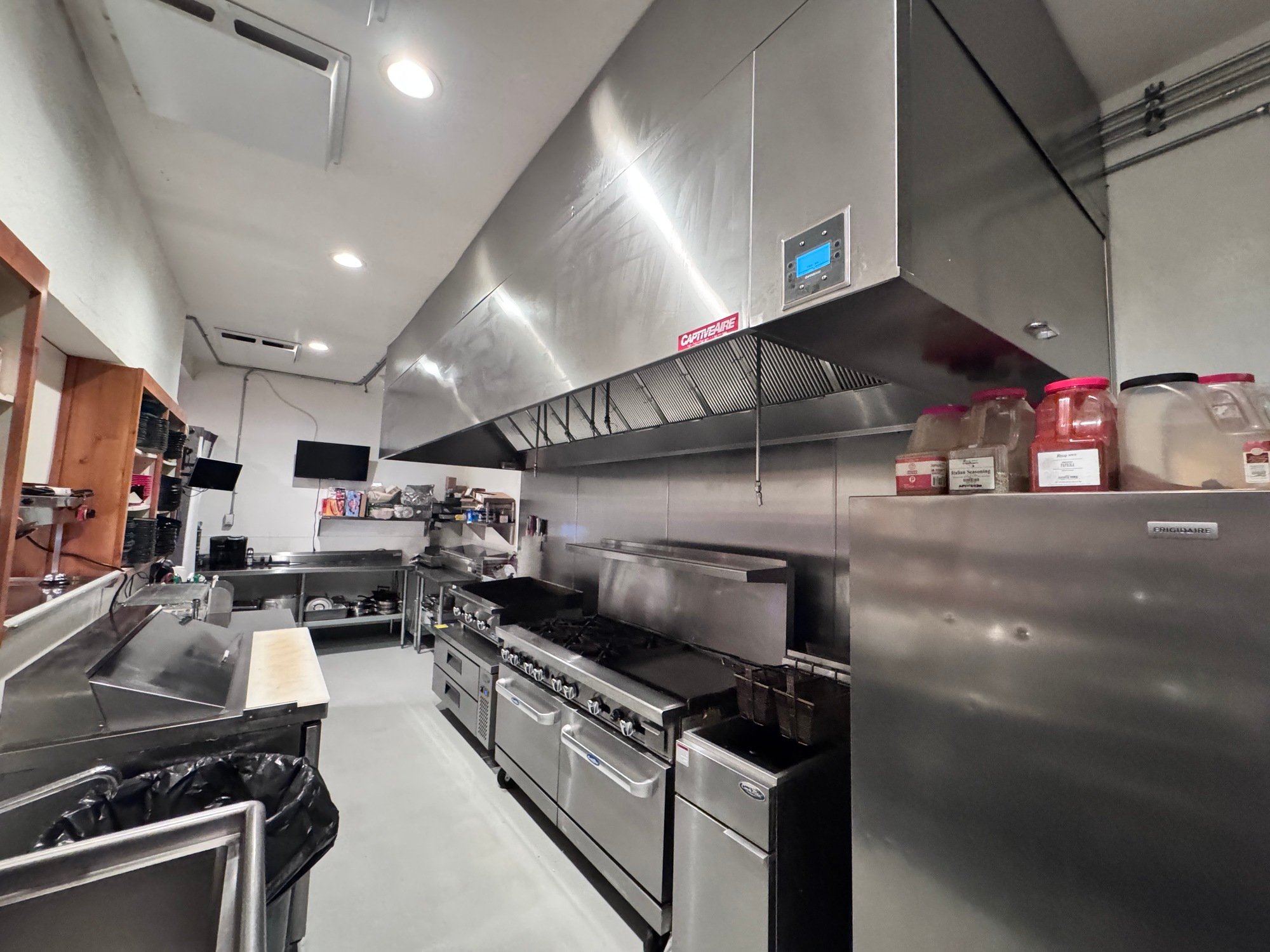
- Parking
- Walk-In Cooler
- Turnkey
- Equipment Included
- Grease Trap
- 3-Comp Sink
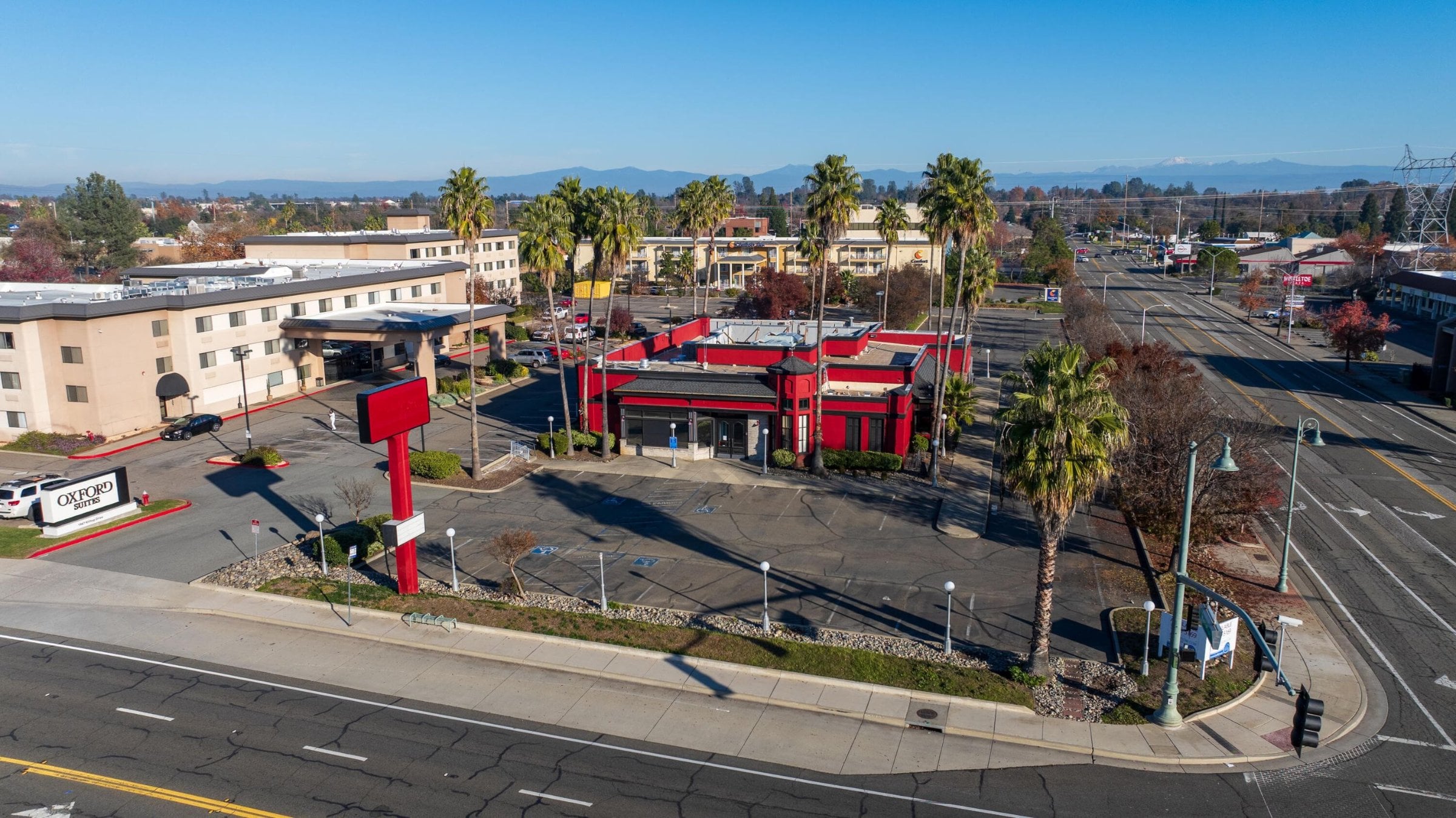
- Parking
- Equipment Included
- Grease Trap
- 3-Comp Sink
- Hood: Type 1
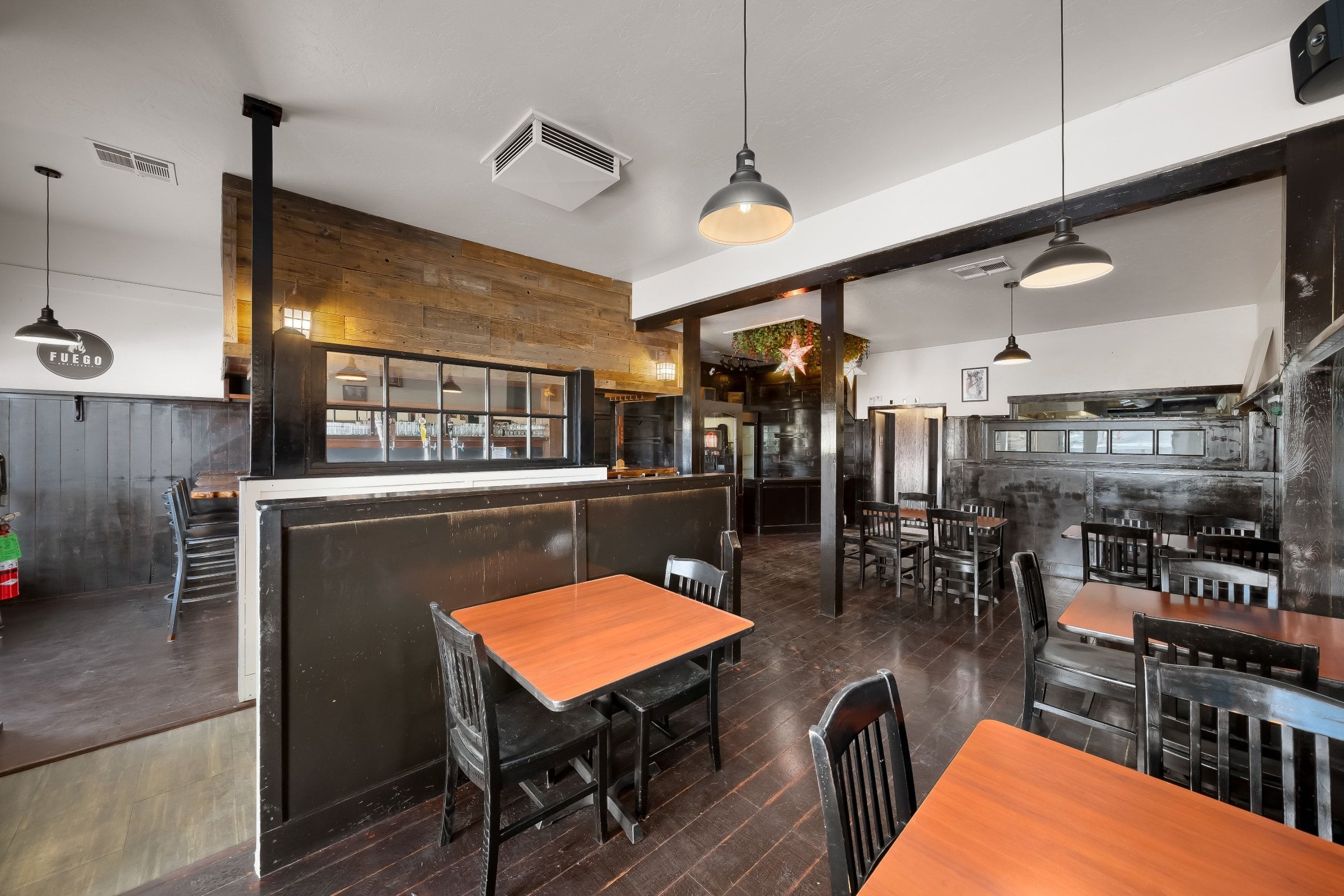
- Outdoor
- Bar Area
- Turnkey
- Equipment Included
- Immediate Move-In
- Hood: Type 1
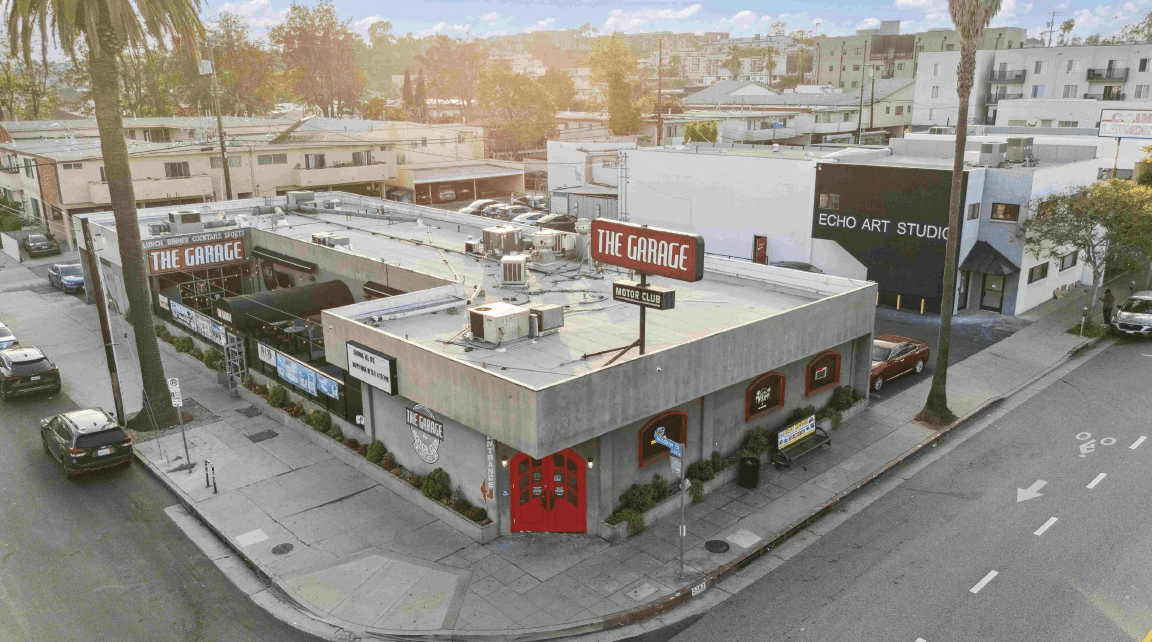
- Outdoor
- Parking
- Walk-In Cooler
- Grease Trap
- 3-Comp Sink
- Hood: Type 1
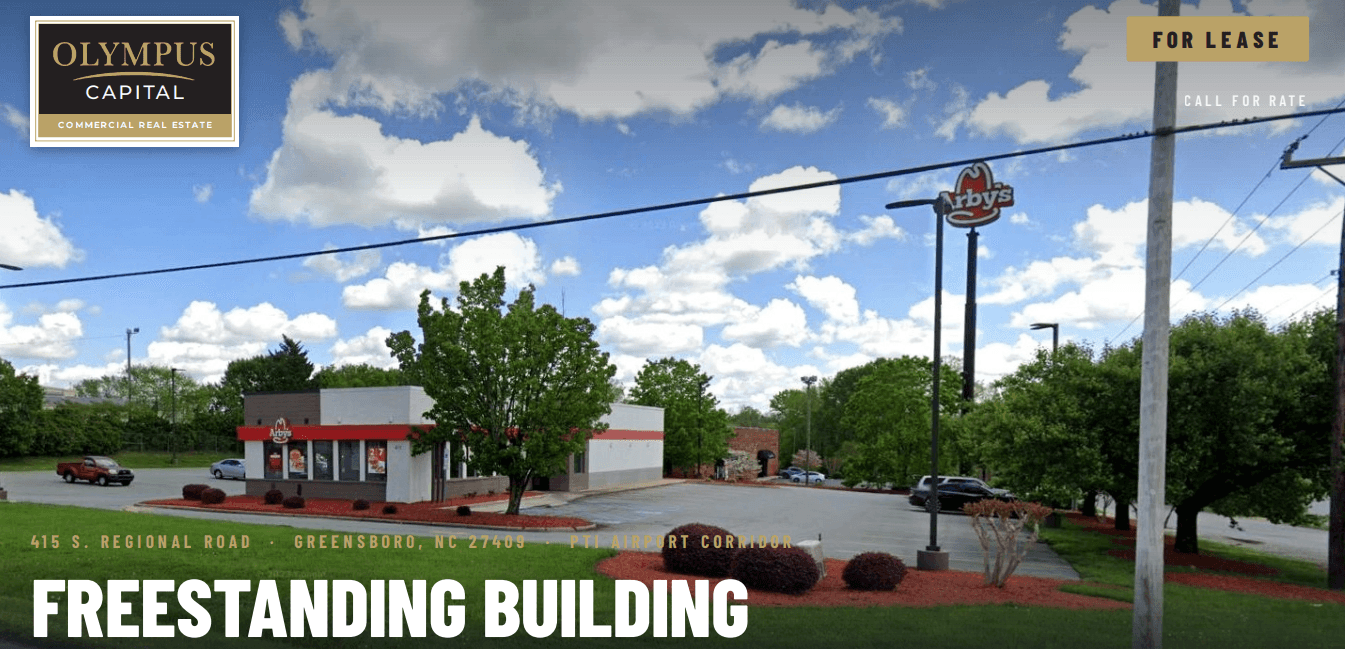
- Parking
- Drive-Thru
- Walk-In Cooler
- Walk-In Freezer
- Grease Trap
- 3-Comp Sink
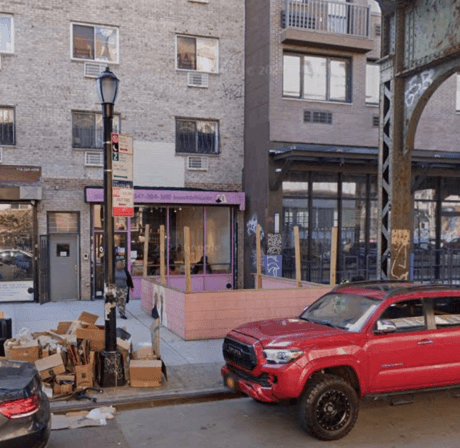
- Outdoor
- 3-Comp Sink
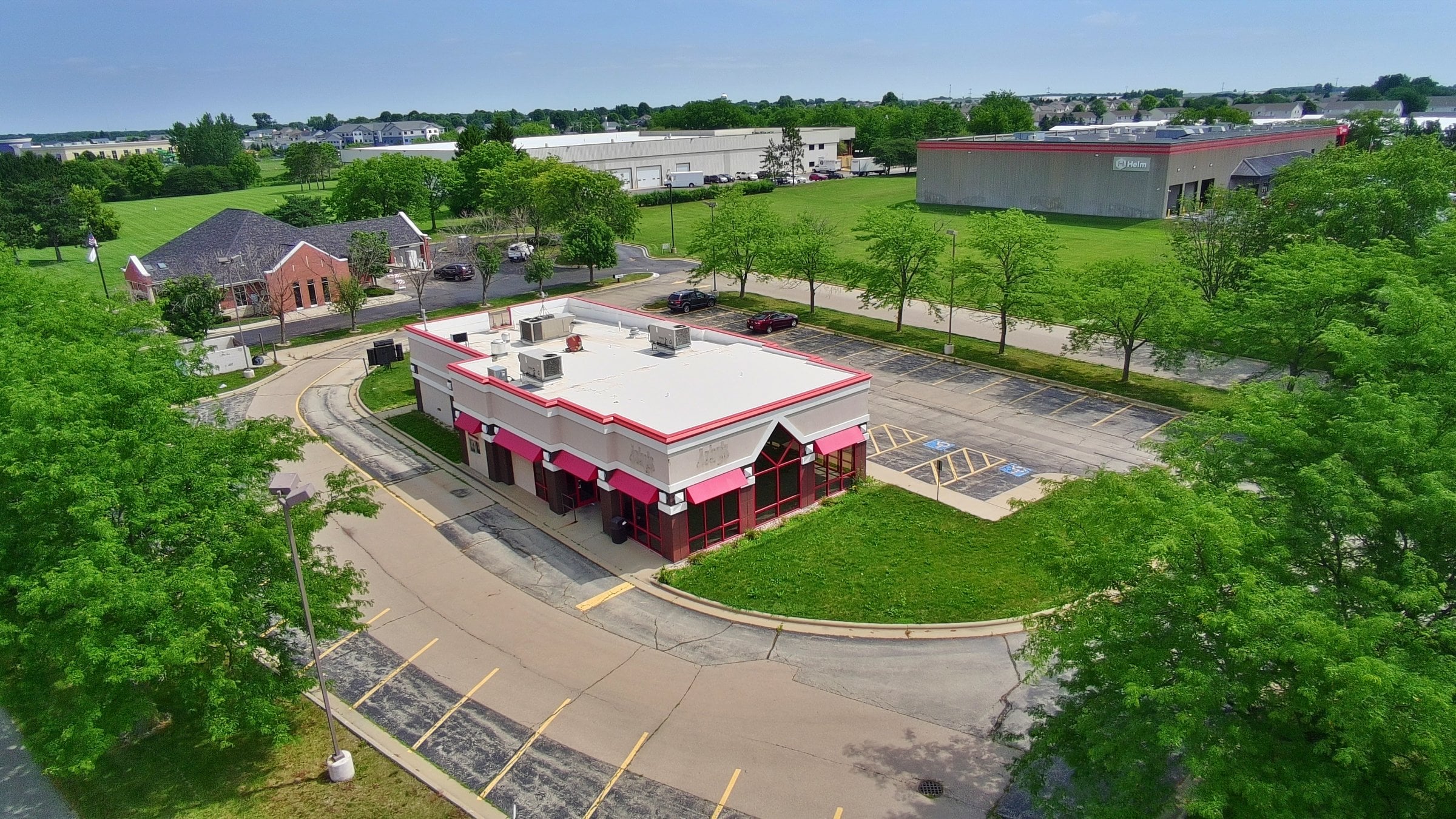
- Drive-Thru
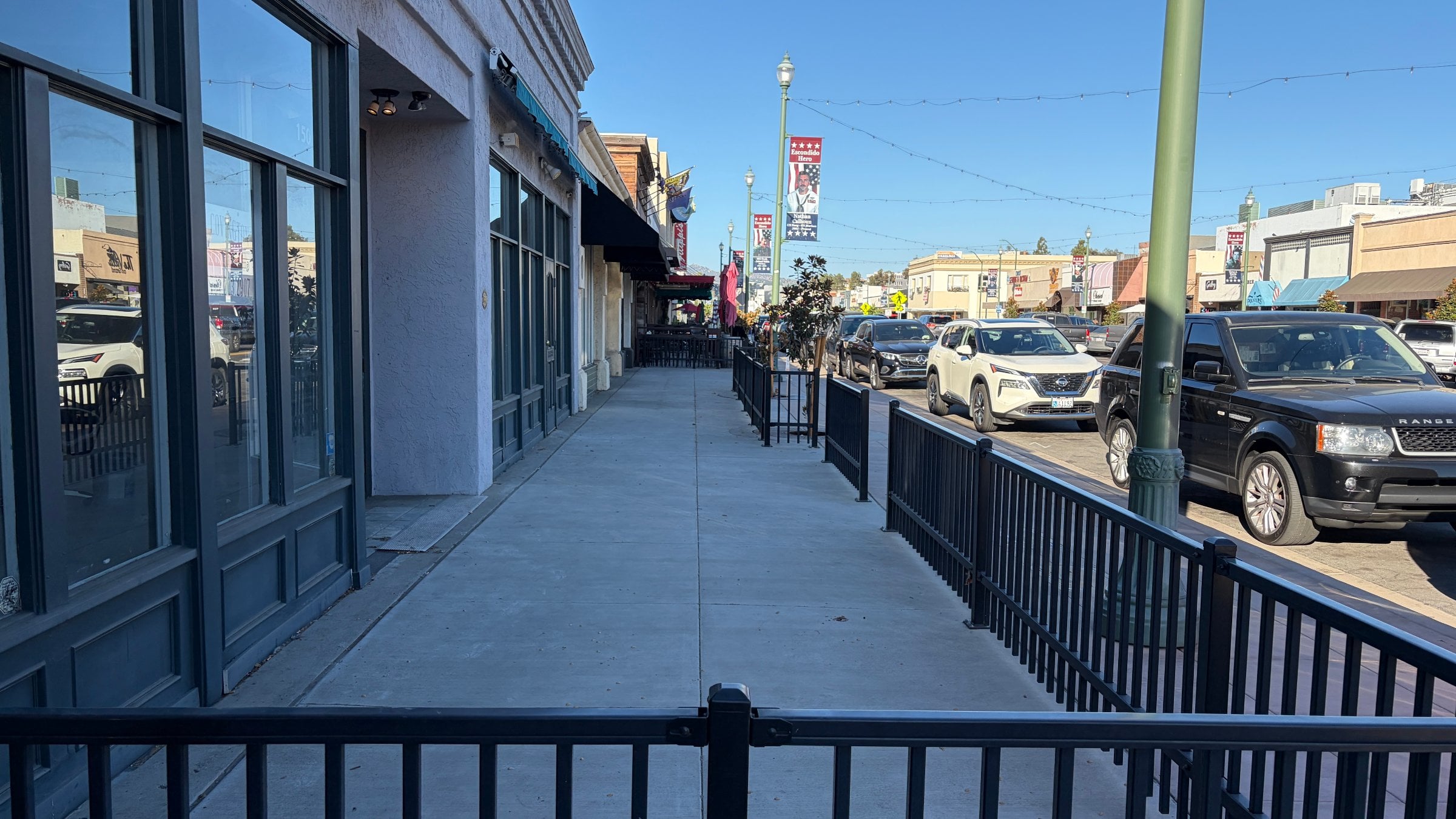
- Outdoor
- Walk-In Cooler
- Equipment Included
- Grease Trap
- 3-Comp Sink
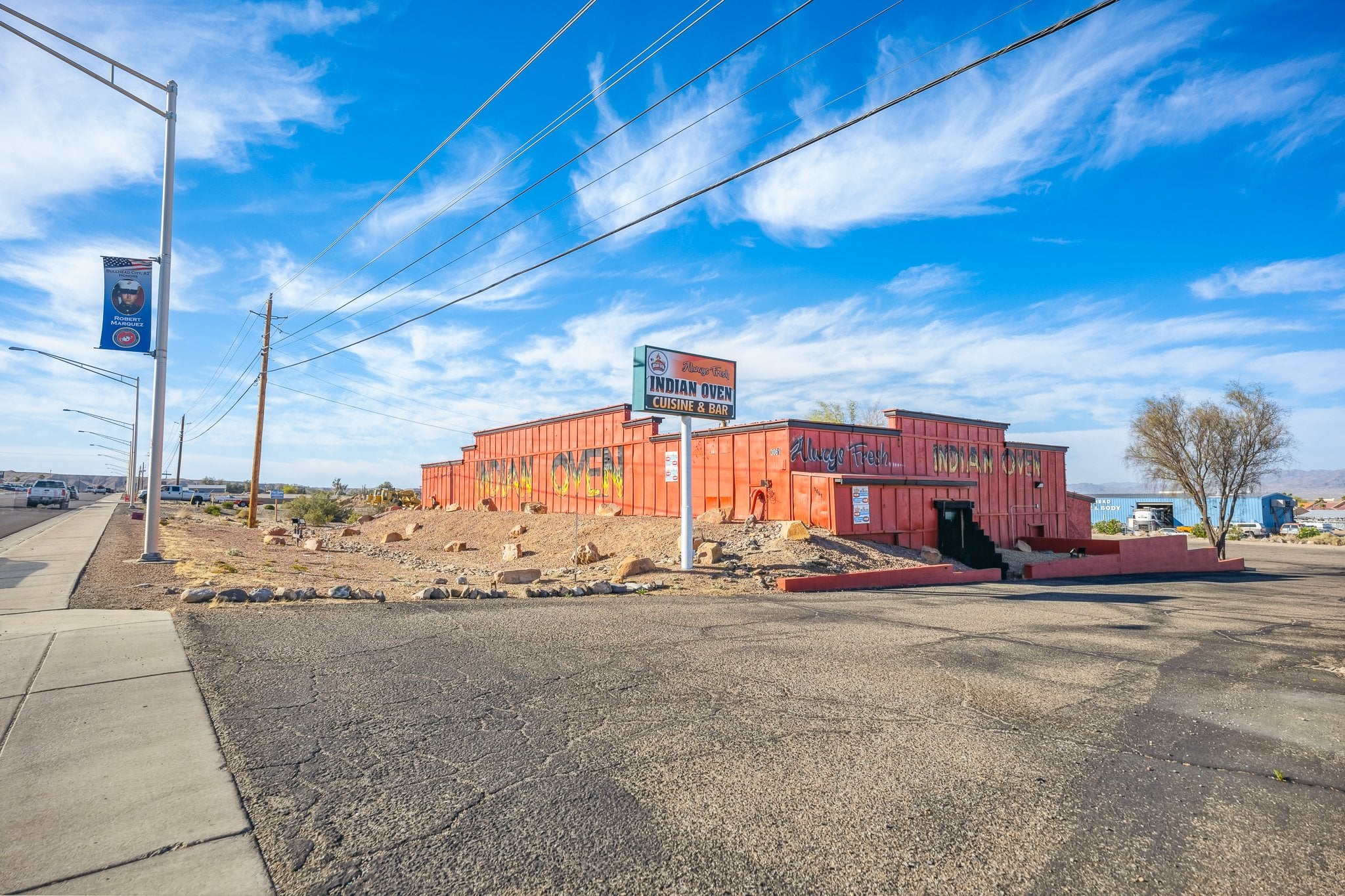
- Parking
- Walk-In Cooler
- Grease Trap
- 3-Comp Sink
- Hood: Type 1
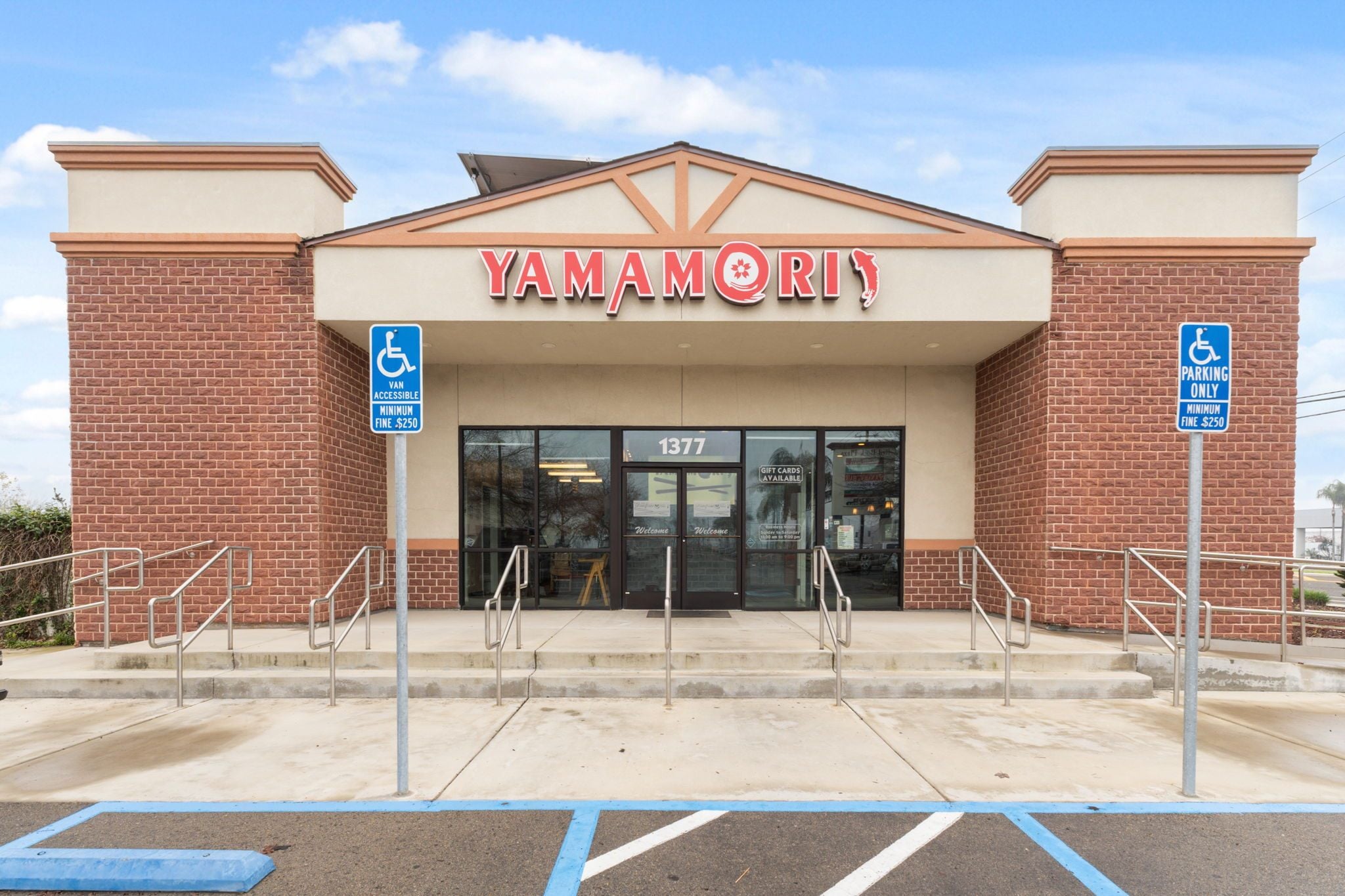
- Parking
- Bar Area
- Walk-In Cooler
- Walk-In Freezer
- Grease Trap
- 3-Comp Sink
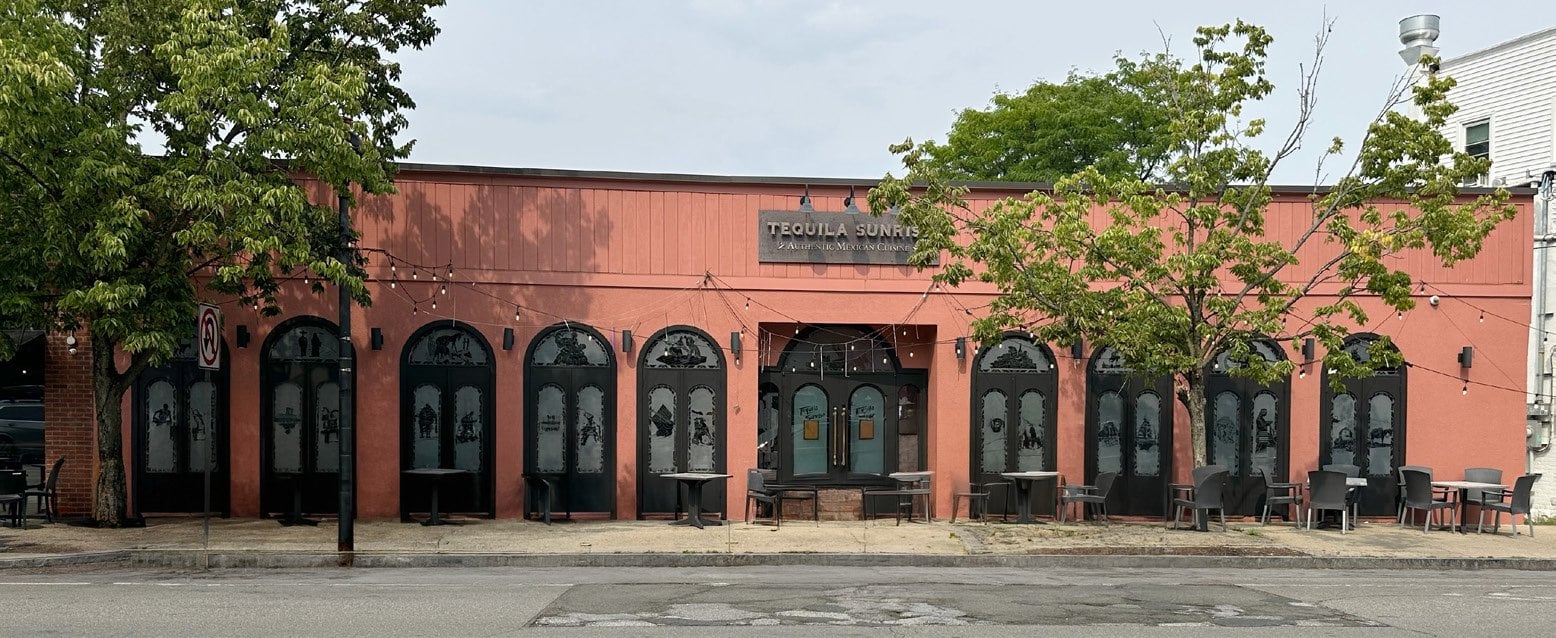
- Outdoor
- Bar Area
- Grease Trap
- 3-Comp Sink
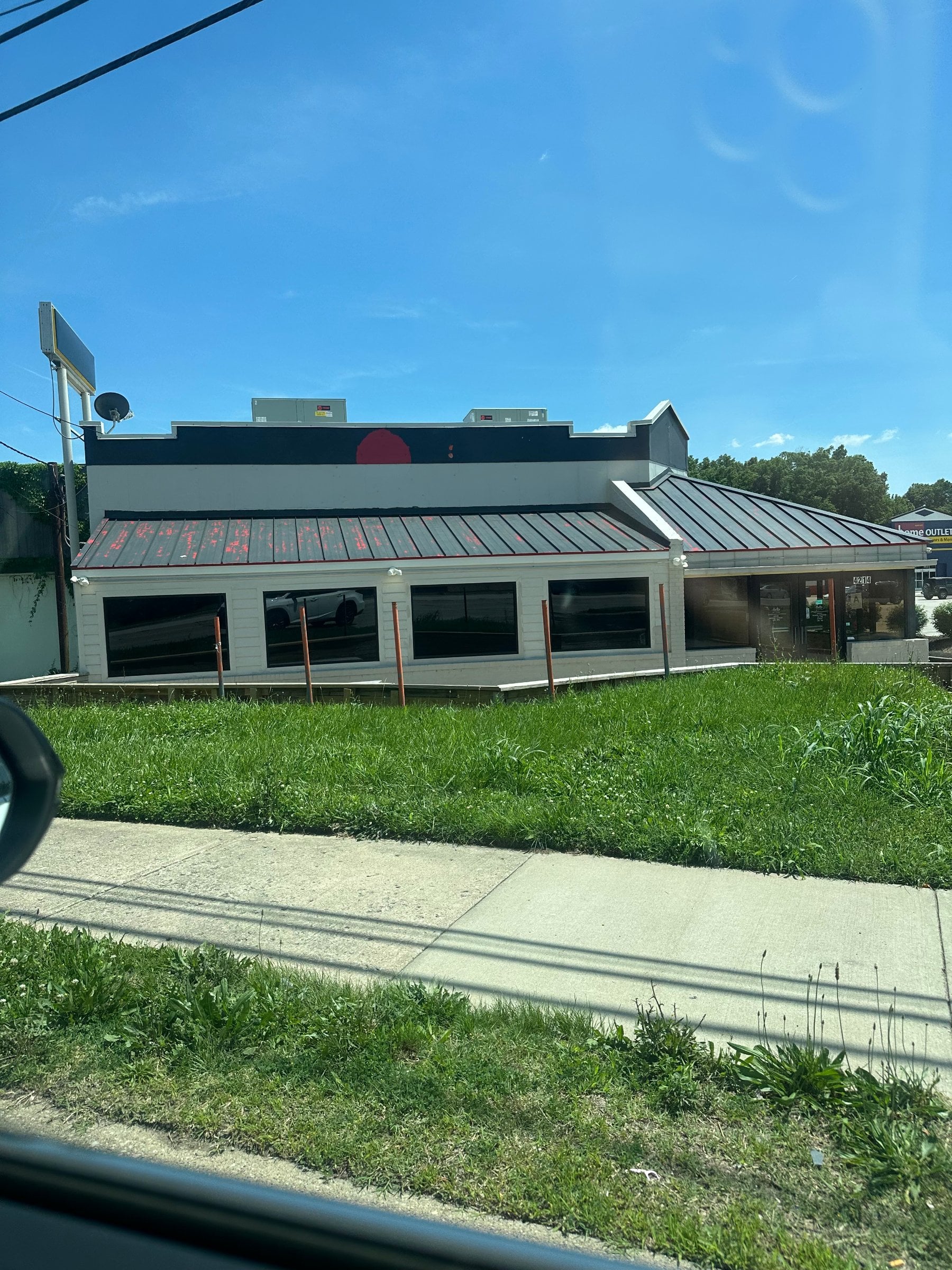
- Parking
- Bar Area
- Walk-In Cooler
- Walk-In Freezer
- Grease Trap
- 3-Comp Sink
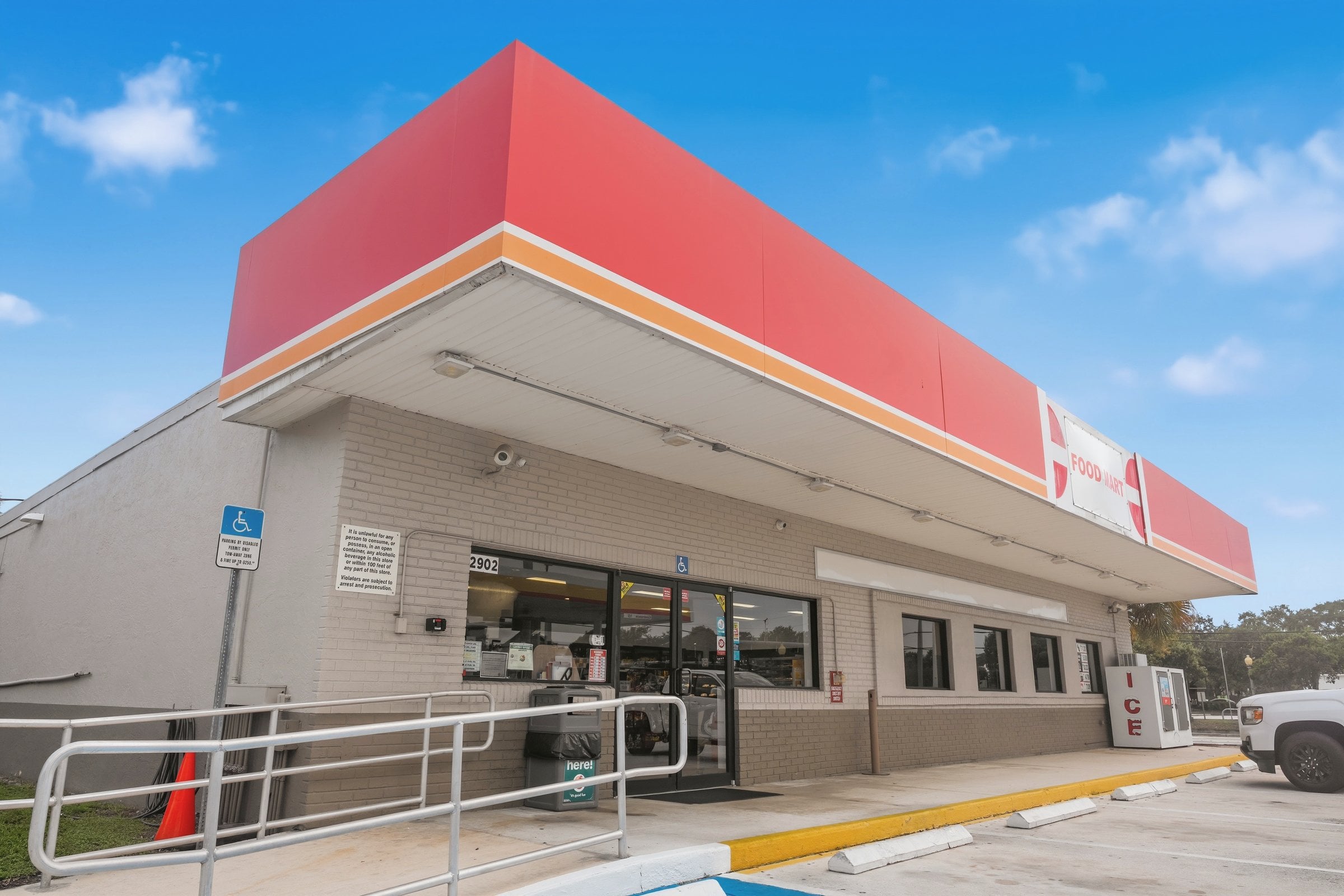
- Parking
- Turnkey
- Equipment Included
- 3-Comp Sink


- Outdoor
- Grease Trap
- 3-Comp Sink
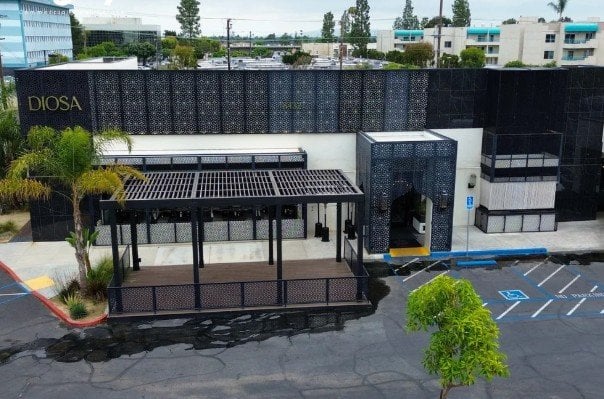
- Outdoor
- Parking
- Bar Area
- Walk-In Cooler
- Walk-In Freezer
- Grease Trap
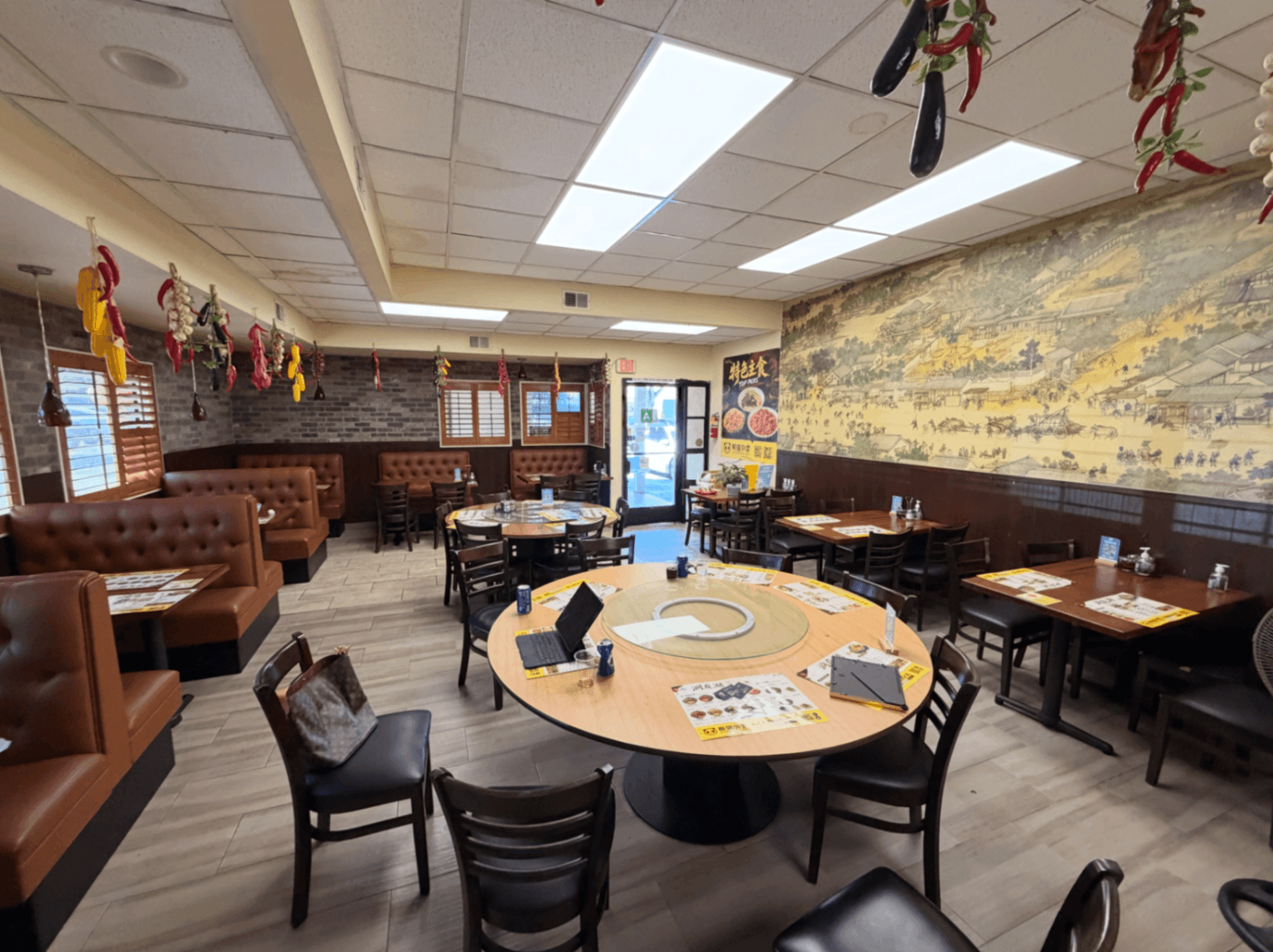
- Parking
- Grease Trap
- 3-Comp Sink
Related Formats
Explore more restaurant lease formats
From the blog
Related reading
Market Context
Restaurant Space for Lease
Finding the right location can define whether a restaurant concept succeeds or struggles. Pepperlot is built specifically to connect operators, specialized brokers and agents, and landlords with verified restaurant space for lease and restaurants for lease across high-demand markets. From turnkey restaurants to permitted locations, every listing is designed to support faster decision-making and clearer comparisons.
Whether you are expanding an existing brand or launching a first concept, Pepperlot helps you identify rentable restaurant space that aligns with your operational needs, budget, and growth strategy, without needing a separate restaurant-for-rent page.
Popular Markets
Explore Restaurant In Popular Cities
Explore active opportunities ranging from fully built-out restaurants to flexible shells ready for customization. Listings include detailed specifications, location context, and lease visibility to reduce friction at every stage of the search.
Pepperlot focuses exclusively on commercial restaurant space for lease, ensuring listings are relevant to food and beverage operators, not generic retail conversions. Availability spans urban cores, suburban corridors, and destination markets nationwide.
All Markets
Browse by City
Find restaurant opportunities in cities across the United States. Select a city below to view local active listings, space details, and lease parameters.
Alabama1 cities
Arizona5 cities
California38 cities
Colorado3 cities
Florida8 cities
Illinois4 cities
Indiana5 cities
Kansas1 cities
Louisiana1 cities
Massachusetts1 cities
Michigan1 cities
Minnesota1 cities
Missouri3 cities
Nevada3 cities
New Hampshire1 cities
New Jersey2 cities
New York State1 cities
Ohio1 cities
Oklahoma1 cities
Washington1 cities
Wisconsin1 cities
Select a city to view local listings, market context, and map search.
Lease Restaurant Space With Confidence
Pepperlot is designed to remove guesswork from restaurant leasing. Every listing is curated to reflect operational feasibility, not just square footage.
Operators gain access to:
- Second-generation restaurant spaces with existing infrastructure
- Clear lease status and pricing transparency where available
- Location insights relevant to restaurant use, not generic retail metrics
This approach allows restaurateurs to focus on execution, not property vetting.
For Owners & Brokers
List A Restaurant for Lease
For brokers, property owners/managers and restaurant owners, Pepperlot offers a targeted platform built exclusively for restaurant leasing. Listings reach serious operators actively searching for restaurant space for lease, not casual retail browsers.
Pepperlot prioritizes relevance over volume, helping listings convert faster and more efficiently.
Exposure to restaurant tenants
Discreet listing options for sensitive transitions
Tools designed specifically for food service properties
Direct inquiries from operators ready to transact
Platform
How Pepperlot Works
Find, buy, sell, or lease restaurants with Pepperlot. Analyze competition, customer demographics, and local market potential to make smarter location decisions.
List Restaurant Properties
Submit restaurant-ready spaces with details tailored to food service use.
Browse And Filter
Search by location, build-out type, size, and lease structure to find viable matches.
Analyze Locations
Each listing is presented with restaurant-specific context to support smarter site selection.
Connect & Transact
Direct communication enables faster negotiations without unnecessary intermediaries.
About PepperLot
Our Vision
Pepperlot exists to modernize how restaurants find space and how restaurant properties find operators. The platform is designed around real operational needs, recognizing that leasing a restaurant is fundamentally different from leasing standard commercial real estate.
By focusing exclusively on restaurants for lease, Pepperlot creates a more efficient marketplace for both sides of the transaction.


Our Team
Who We Are
Pepperlot is a dedicated restaurant leasing platform built for restaurateurs, landlords, and multi-unit groups who understand the complexity of food service real estate. The team combines marketplace design with deep category focus to ensure every listing serves a clear purpose.
From neighborhood cafés to multi-unit operators, Pepperlot supports the full spectrum of restaurant growth by simplifying access to commercial restaurant space for lease nationwide.
Frequently Asked Questions
What types of restaurants for lease are listed on Pepperlot?
Pepperlot features restaurants for lease that are specifically suited for food and beverage operations. Listings include second-generation restaurant spaces, fully built-out dining rooms, ghost kitchens, and F&B-permitted locations. General retail or non-restaurant properties are not listed on the platform.
Is Pepperlot limited to certain cities or regions?
No. Pepperlot lists restaurants for lease in the USA, across major metropolitan areas, suburban markets, and emerging dining corridors. Availability varies by market, but listings are updated regularly to reflect active opportunities nationwide.
What makes Pepperlot different from general commercial real estate sites?
Pepperlot focuses exclusively on commercial restaurant space for lease and restaurant transactions. Search tools, filters, and listing details are designed around restaurant-specific needs such as kitchen infrastructure, permitting readiness, and operational layout rather than generic commercial use.
Can I find second-generation restaurant spaces on Pepperlot?
Yes. Many listings on Pepperlot are second-generation restaurant sites, which can reduce build-out time and upfront costs. These spaces often include existing kitchen infrastructure, dining layouts, and prior restaurant approvals.
Does Pepperlot provide data to help evaluate a restaurant location?
Pepperlot integrates location intelligence to support smarter leasing decisions. Operators can analyze competition, customer demographics, foot traffic patterns, and market potential when evaluating restaurant space for lease, helping reduce site selection risk.
Can users list restaurant spaces confidentially?
Yes. Pepperlot offers confidential listing options for landlords or operators who want to market a restaurant space discreetly. Sensitive business information can be protected while still reaching restaurant operators actively searching for restaurants for lease.
Can I search for restaurant space for rent on Pepperlot?
Yes. Pepperlot captures restaurant-for-rent and restaurant-space-for-rent intent inside the restaurants-for-lease hub and city lease pages. You can browse rentable restaurant spaces, subleases, and lease assignments without a separate rent-only URL that would compete with the lease hub.
Who can list a restaurant space for lease on Pepperlot?
Property owners, landlords, brokers, and restaurant operators can list restaurant-ready spaces. All listings are intended for food and beverage use, ensuring relevance for tenants searching for restaurant space for lease.