Asset Sale
A buyer acquires equipment, fixtures, furniture, and restaurant infrastructure without taking on the prior operating company.

Browse restaurant business sales, asset sales, and turnkey deals across Lincoln Park, West Loop, Wicker Park, and the Chicago metro.
Browse all restaurants for sale nationwide on PepperLot.
Map view
Compare second-generation restaurant spaces and turnkey leases across Chicago.
List it free on PepperLot and reach food and beverage buyers.
Available Listings
Asset sales, business sales, and restaurant-ready real estate nearby.

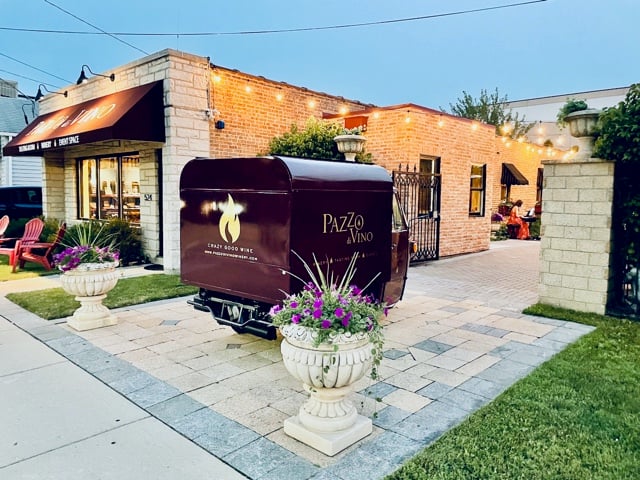
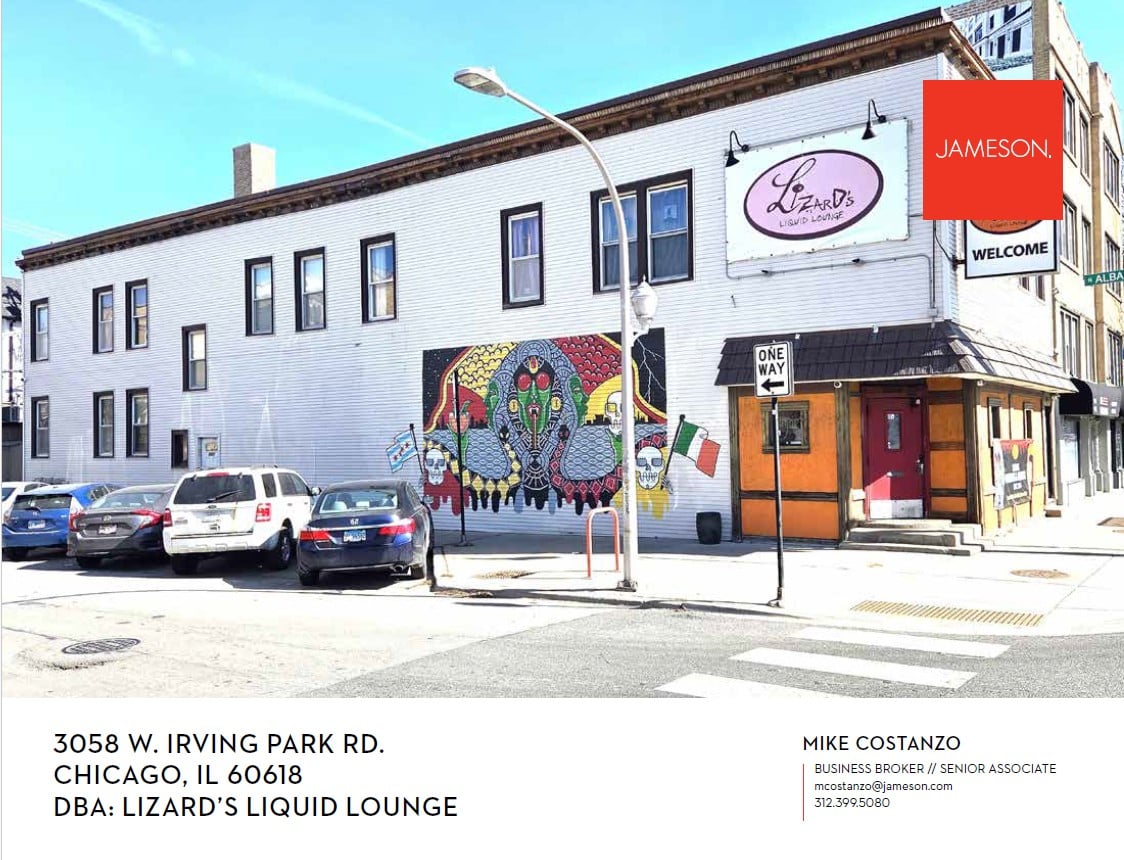
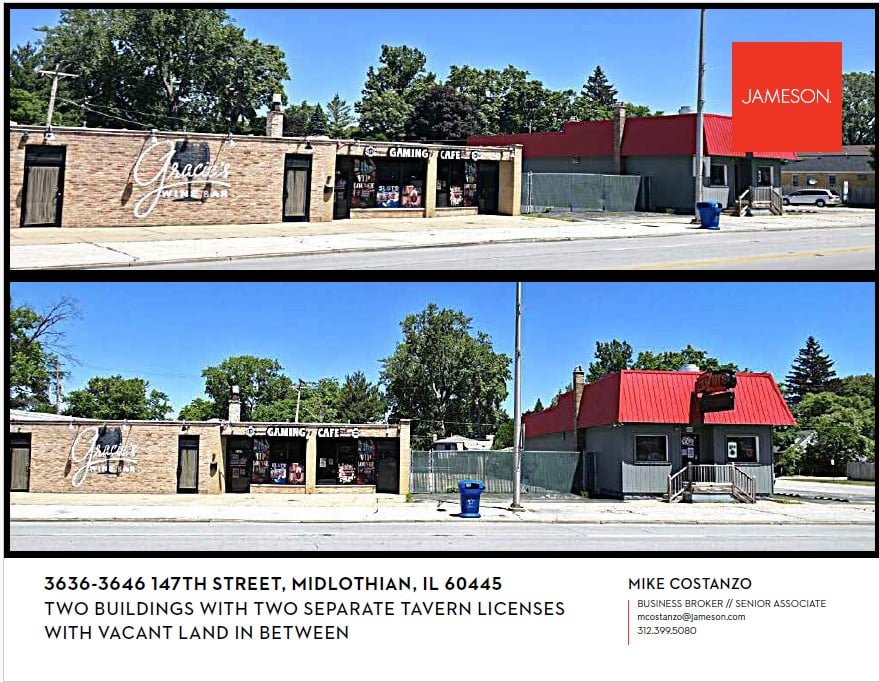

Market Context
Chicago is the third largest restaurant market in the United States and the most influential food city in the Midwest. The city has produced more James Beard Award winners than any other US metro outside New York and Los Angeles, anchored by a chef driven independent scene that has shaped the broader American food culture for over two decades.
Lease rates run lower than coastal premium markets but high relative to the rest of the Midwest. West Loop and Fulton Market reach $70 to $95 per square foot annually. Lincoln Park, Lakeview, Wicker Park, and Bucktown run $50 to $80. Logan Square, Pilsen, Avondale, and most other neighborhoods sit at $35 to $55. The neighborhood differentiation matters substantially more than aggregate citywide averages.
Chicago restaurant economics are among the most rewarding for chef driven independent concepts in the United States. The combination of strong food media (Time Out, Chicago Tribune, Eater Chicago, Resy 50), sophisticated local customers, a major tourist economy, and a year round professional class produces consistent demand for differentiated concepts. The trade off is intense competition and high concept failure rates in the most prominent submarkets.
Local Links
Chicago's restaurant submarkets each carry distinct customer bases, lease economics, and concept fit. Choosing the right one matters as much as the concept itself.
Sale Types
A buyer acquires equipment, fixtures, furniture, and restaurant infrastructure without taking on the prior operating company.
A buyer acquires the operating business, brand, staff continuity, vendor relationships, and transfer documents tied to the acquisition.
A buyer acquires the real estate along with restaurant improvements, building systems, and site control.
Price Context
Asking prices vary by market, concept, profitability, equipment condition, and whether real estate is included. Buyers often compare asset sales below $250,000, business sales from $250,000 to $1,000,000, and property sales above that range.
In Chicago, review the asking price against kitchen infrastructure, seating, alcohol license status, seller financing terms, and local permit transfer requirements.
Licenses and Permits
Before completing a restaurant acquisition in Chicago, confirm the state alcohol license transfer, health permits, business licenses, signage approvals, and local operating permits with the agencies that control the address.
Permit transfer rules vary by market, so buyers should verify what transfers with the business sale, what requires a new application, and what must be approved by the landlord or property owner.
For Owners & Brokers
Built exclusively for restaurant real estate.
Every listing on Pepperlot is a restaurant or F&B space. No warehouses, offices, or unrelated commercial properties diluting your Chicago search.
Hood systems, grease traps, walk-in coolers, liquor licenses, certificates of occupancy, seating capacity, patio availability. The details that drive restaurant decisions are in every listing.
Cuisine gap analysis, demographic data, and competitive landscape information for Chicago. Make a more informed decision before committing capital or signing a lease.
Some of the best Chicago restaurant opportunities are listed confidentially. Pepperlot gives you access to off market opportunities not available on general platforms.
Platform
A step-by-step approach to acquiring your next location.
Filter Chicago listings by transaction type, size, price, and specific features like hood systems, grease traps, outdoor seating, and liquor licenses. Every listing includes the operational details that matter for restaurant acquisitions in Illinois.
Understand whether you are acquiring a full business, assets only, or a property outright. Each structure carries different liabilities, transition timelines, and entry costs. Asset sales protect buyers from prior liabilities. Business sales require deeper due diligence on financials, staff, and state and municipal liquor license transferability.
Each listing displays the seller or broker's contact details. Reach out directly. Ask for three years of financial statements, lease documents, and Illinois Liquor Control Commission license plus city or village liquor license details. For Chicago transactions, also confirm the status of the Certificate of Occupancy, Chicago Department of Public Health restaurant license, and any sidewalk cafe permits.
Chicago lease rates range from $35 to $95 per square foot annually depending on submarket and location. Confirm the remaining lease term, renewal options, CAM charges, and state plus municipal liquor license type and transfer status. Personal guarantees are standard in Illinois commercial leases. NNN structures with CAM charges of $8 to $16 per square foot are typical in Chicago shopping centers and lifestyle developments.
About PepperLot
PepperLot organizes restaurant acquisitions around the details buyers need in Chicago: sale structure, equipment, permits, seating, and property context.

Chicago restaurant acquisitions vary by submarket and concept type. Asset sales typically start from $60k+. Full business sales range from $180k+ to over $2.2M+ for established concepts in prime submarkets like West Loop and Fulton Market, Lincoln Park and Lakeview, Wicker Park and Bucktown. Confirm at least three years of financials, Illinois state liquor license, and municipal license status before making any offer.
Chicago restaurant lease rates run roughly $35 to $95 per square foot annually, with the higher end of the range applying to prime submarkets and the lower end to emerging or suburban areas. NNN structures and CAM charges typically add another $8 to $18 per square foot annually.
Pepperlot lists business sales, asset sales, and property sales across Chicago. Asset sales transfer equipment and lease only, keeping the seller's prior liabilities out of the transaction. Business sales include the full operation, brand, state and municipal liquor licenses where transferable, and staff. Property sales are outright real estate purchases.
Any restaurant in Chicago that serves alcohol requires both an Illinois state liquor license from the Illinois Liquor Control Commission and a separate municipal license from the city or village. Chicago issues Class A through G municipal liquor licenses on top of the Illinois state license. Class B for restaurants paired with the state license is the most common restaurant configuration. Transfers typically take 60 to 120 days. Quota restrictions vary by ward, with some wards under moratorium for new licenses. Confirm the license type and transfer requirements with both the seller and the licensing authority before closing.
On Pepperlot, the most active Chicago submarkets currently are West Loop and Fulton Market, Lincoln Park and Lakeview, Wicker Park and Bucktown. Each carries different customer demographics, lease economics, and concept fit, so the best submarket depends substantially on the concept being acquired or planned.
Yes. Listing on Pepperlot is free. Create a Chicago-specific listing with details like hood systems, seating, liquor license type, and lease terms. Confidential listing options are available for sellers who prefer to reach buyers without publicly disclosing the business identity.