
Confirm the space fit
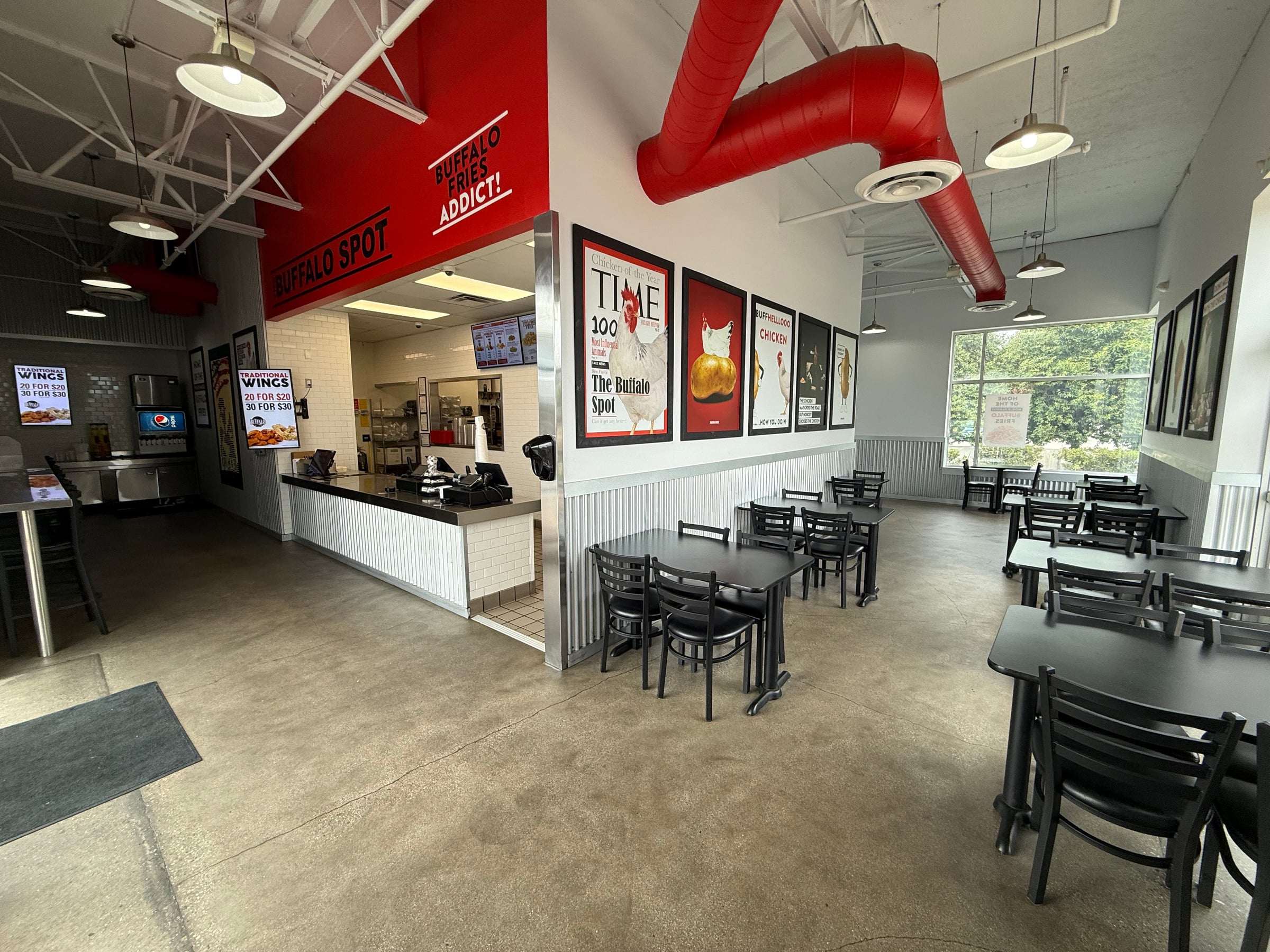
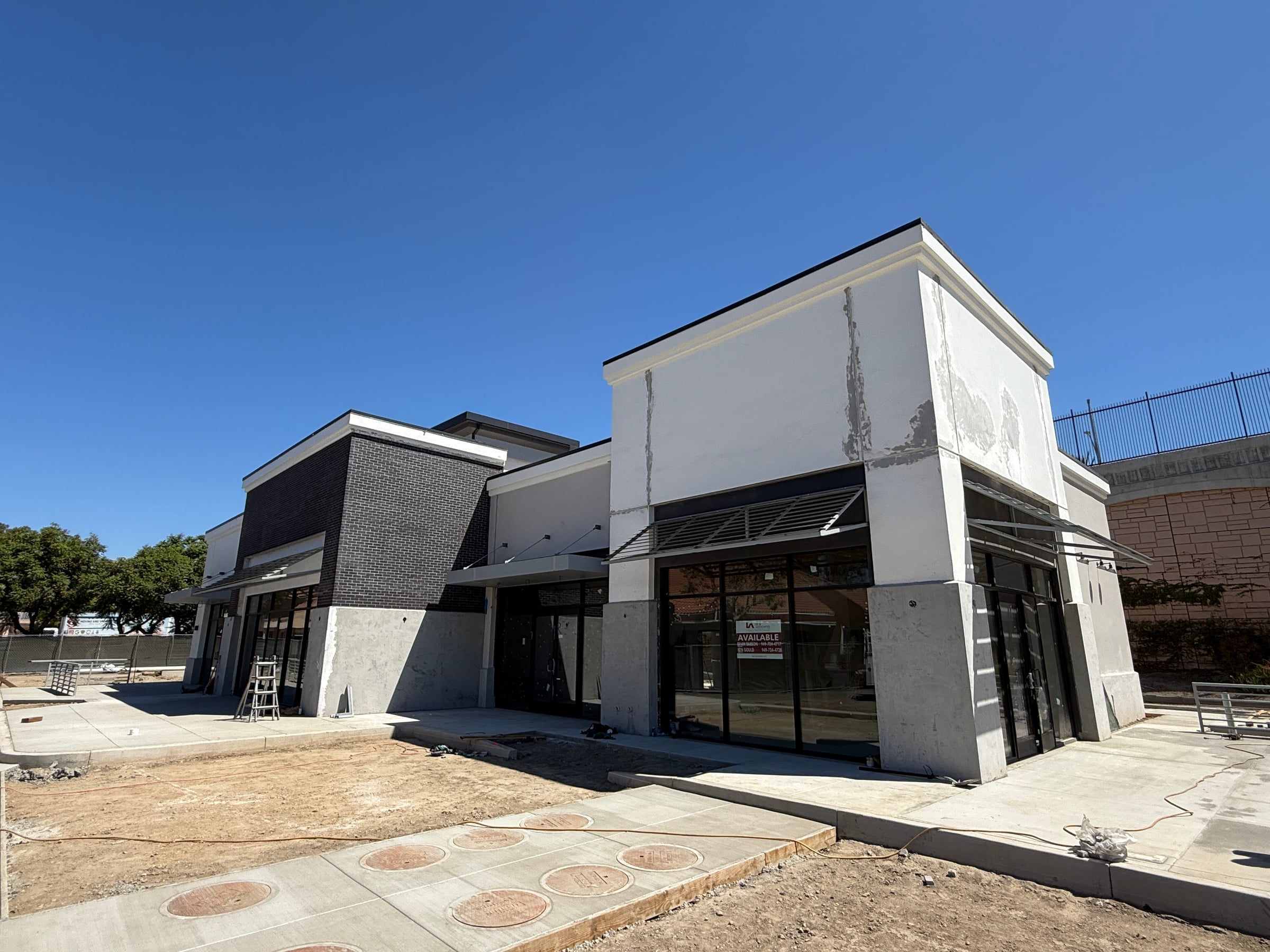
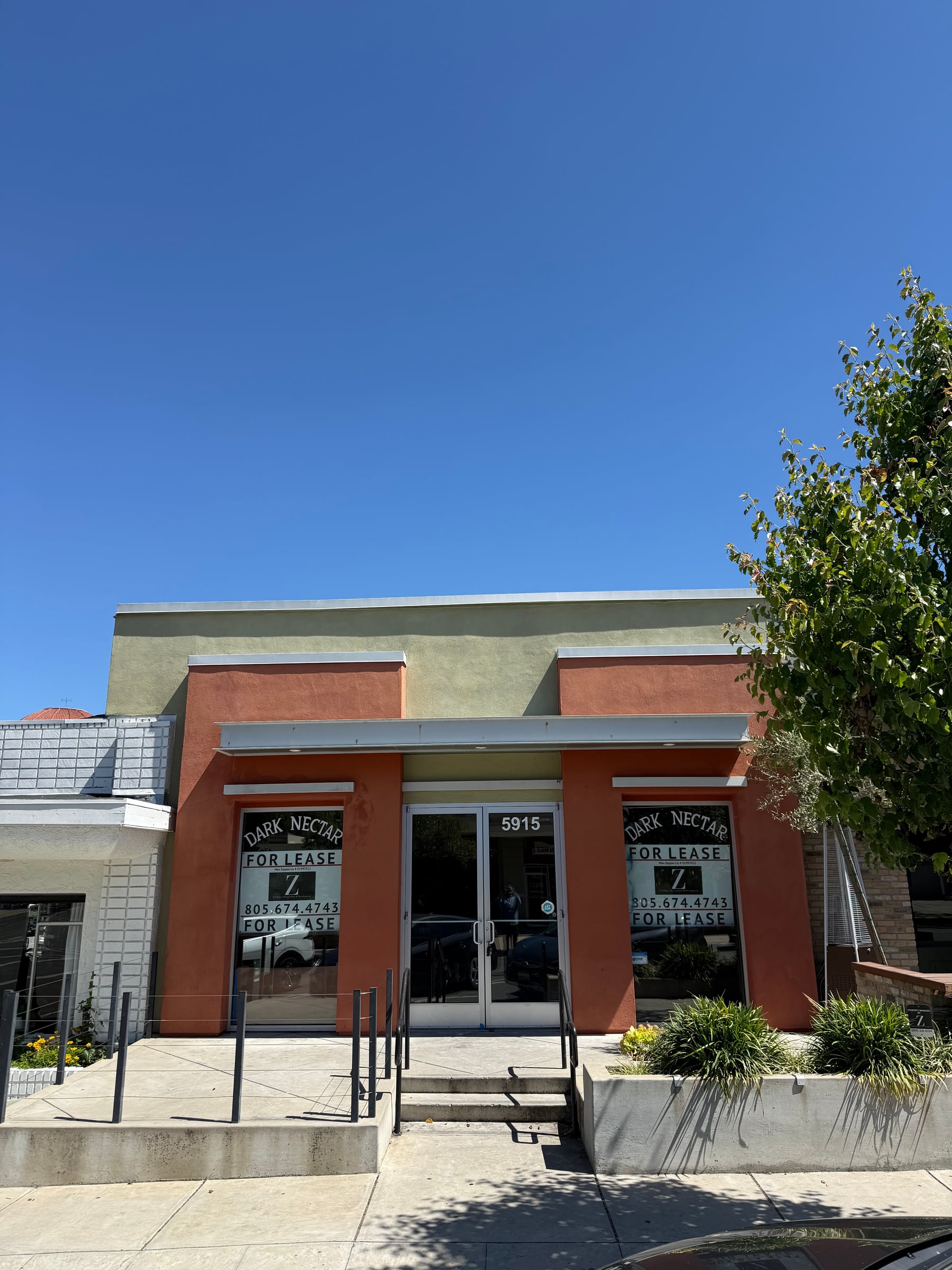
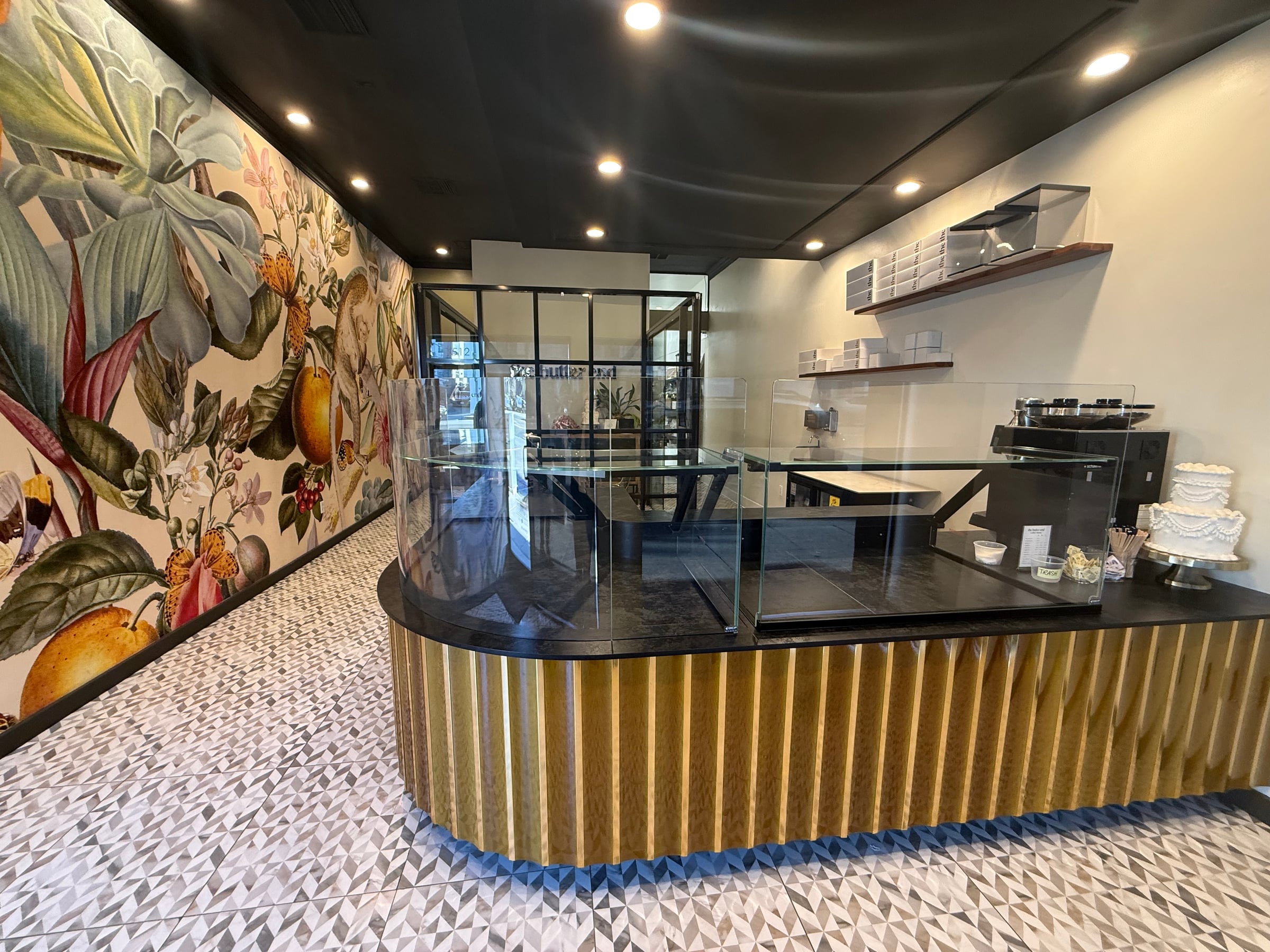
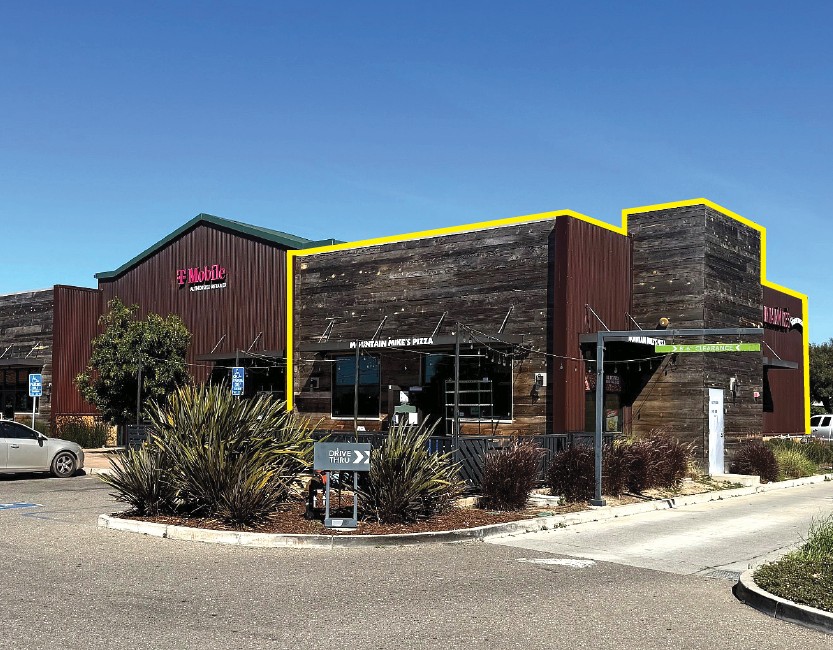
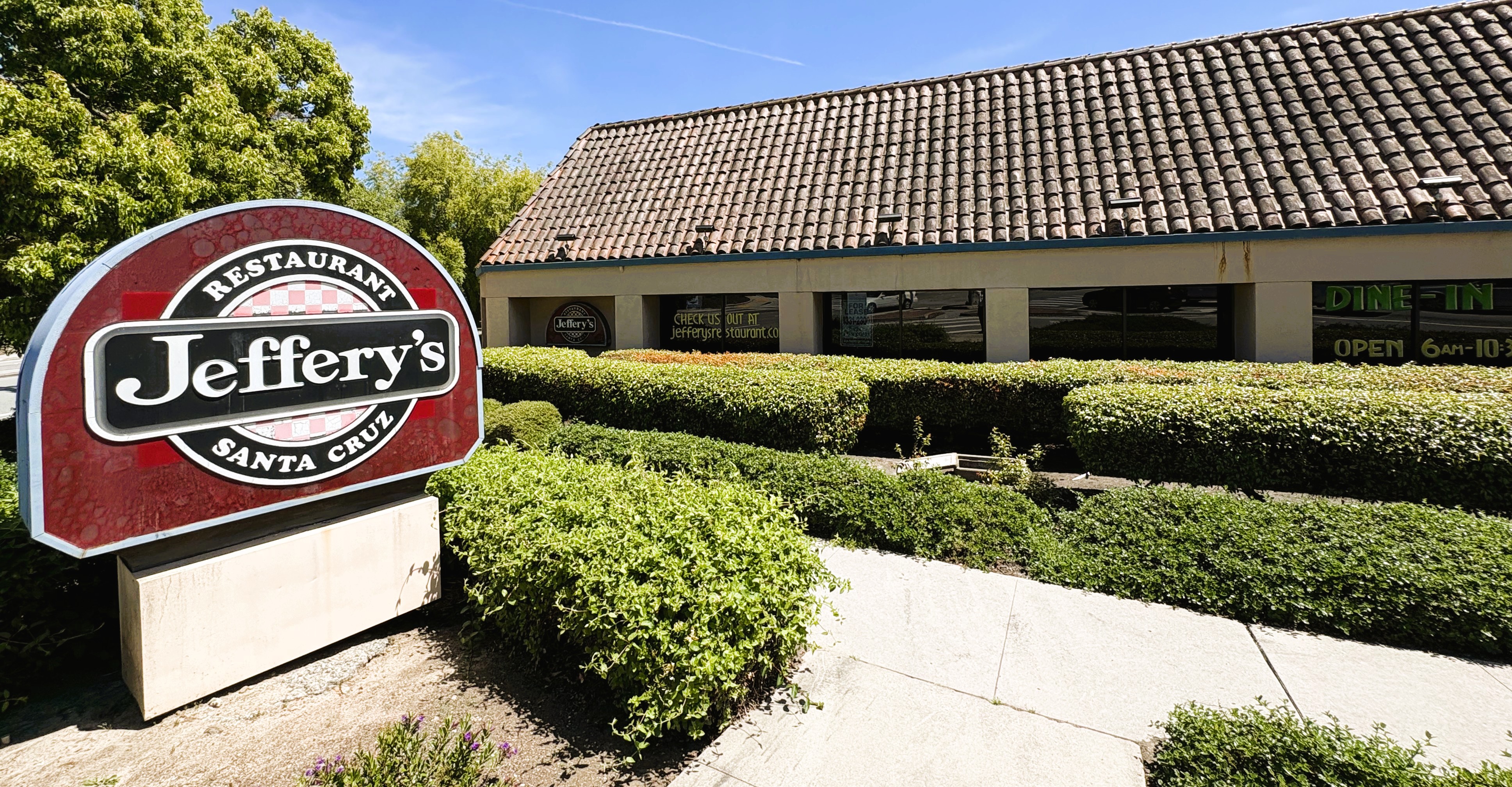
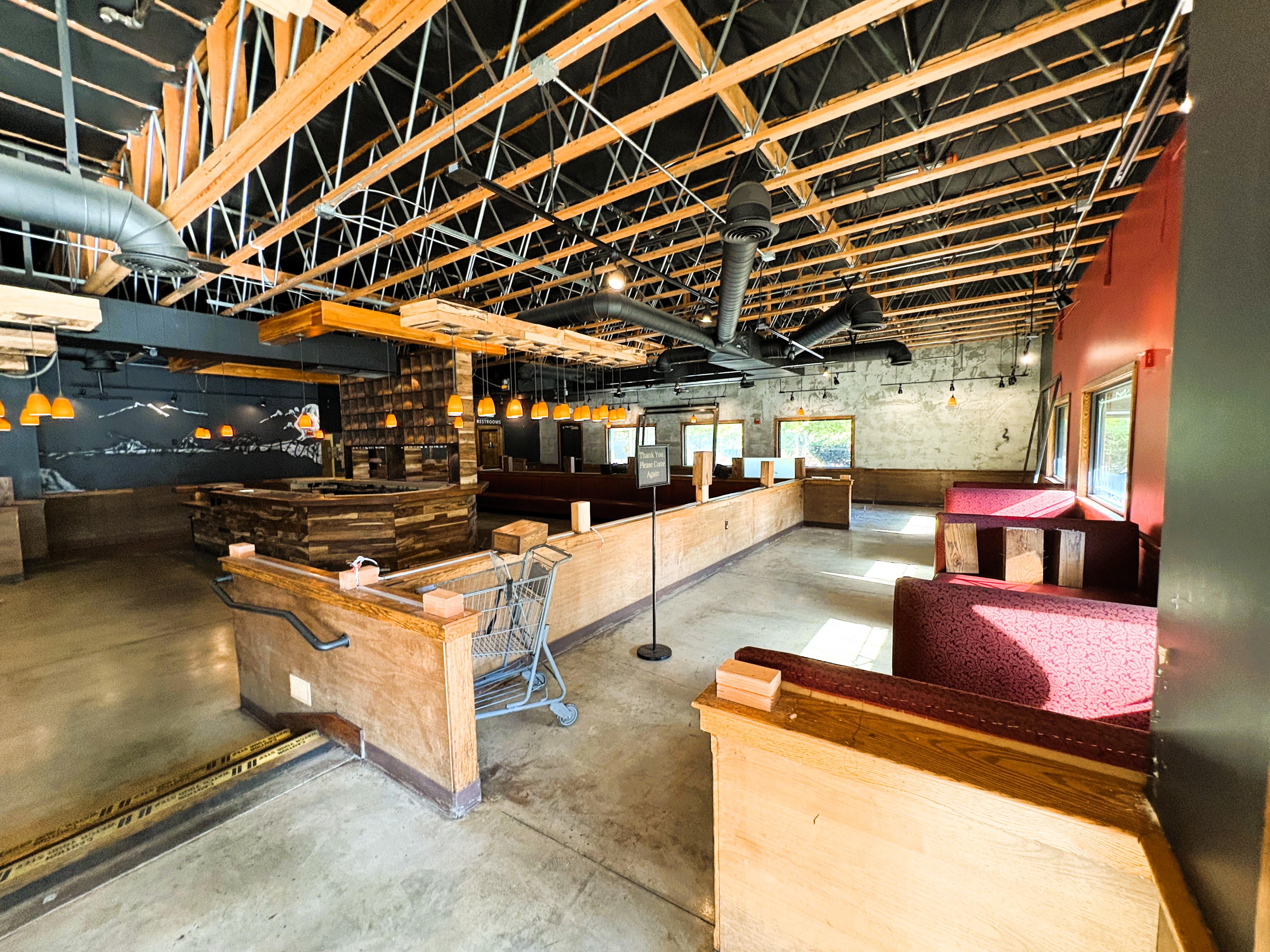
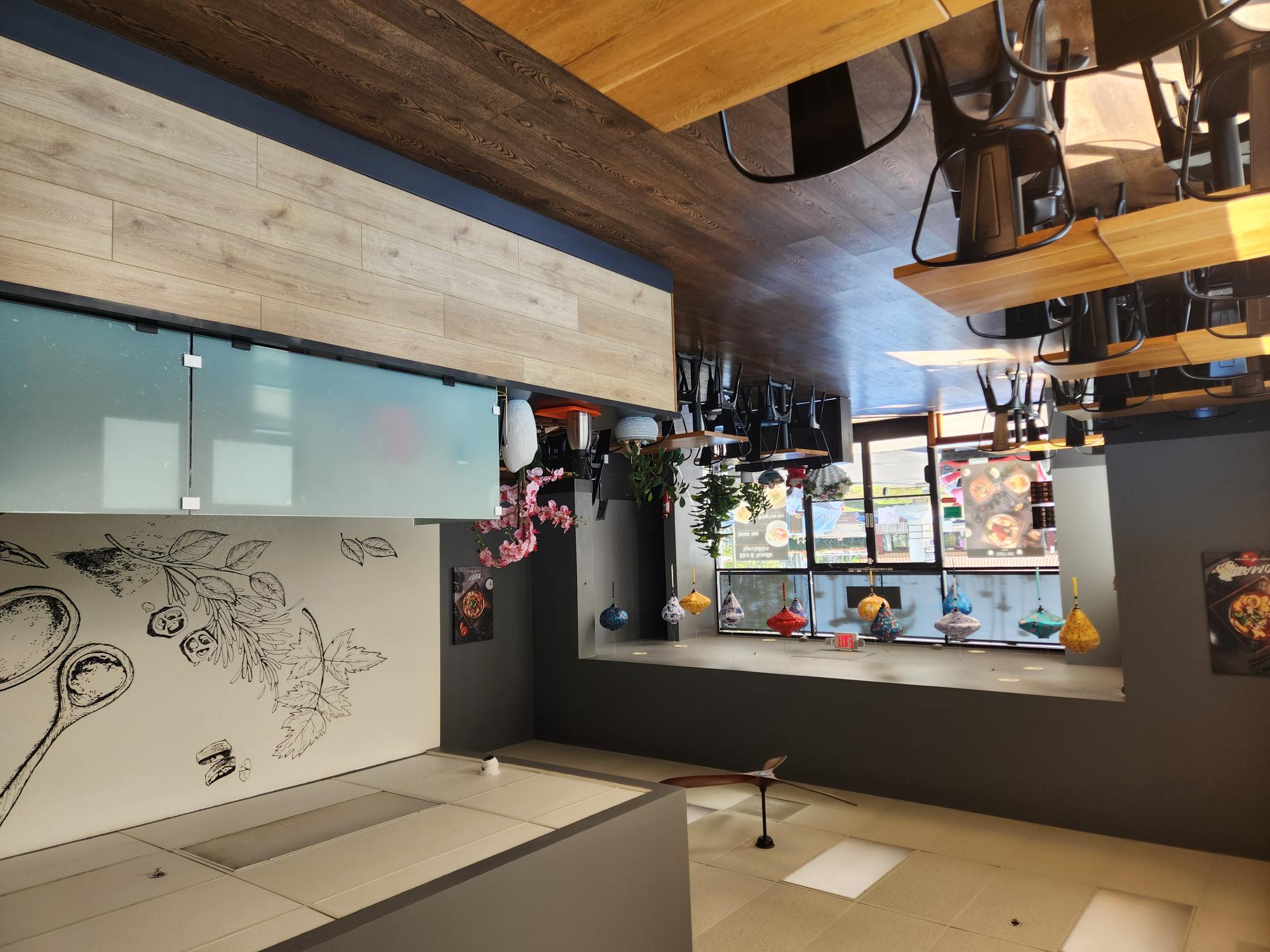
Compare hood, grease trap, walk-in, seating, patio, parking, utilities, and build-out condition before touring.

View listing contact
View listing contact
View listing contact
View listing contact
View listing contact
View listing contact
View listing contact

View listing contact
View listing contact
View listing contact
View listing contact
View listing contact
View listing contact
View listing contact
View listing contact
View listing contact
View listing contact
View listing contact
View listing contact
View listing contact
View listing contact
View listing contact
View listing contact
View listing contact
View listing contact
View listing contact
View listing contact
View listing contact
View listing contact
View listing contact
View listing contact
View listing contact
View listing contact
View listing contact
View listing contact
View listing contact
View listing contact
View listing contact
View listing contact
View listing contact
View listing contact
View listing contact
View listing contact
View listing contact
View listing contact
View listing contact
View listing contact
View listing contact
View listing contact
View listing contact
Market Context
California's restaurant economy operates at scale, shaped by dense population centers, tourism corridors, and regional dining cultures that vary widely by market. Pepperlot brings restaurant lease opportunities from across the state into one focused marketplace, making it easier to evaluate available spaces without navigating dozens of disconnected sources.
Listings published on Pepperlot are shared by restaurant brokers, brokerages, and property representatives who specialize in food and beverage real estate. The platform is built to surface restaurant-specific opportunities rather than general commercial inventory.
Popular Markets
Restaurant demand in California is not concentrated in a single market. Growth, turnover, and concept evolution happen simultaneously across multiple cities.
Each city page highlights active listings contributed by brokerages and restaurant-focused real estate professionals working in those local markets.
Second-generation restaurants, also called 2nd gen restaurants or 2nd generation restaurants, are spaces previously used as restaurants. They may retain kitchen infrastructure such as an exhaust hood, grease interceptor, utility connections, or dining areas. Existing improvements can reduce the work needed for a new concept, but condition, equipment inclusions, and required upgrades vary by listing.
For 2nd generation restaurant leasing in California, compare base rent, additional charges, lease length, renewal options, and any payment for equipment or other assets. Confirm whether the offer is a direct lease, sublease, or assignment and what landlord approvals are required.
Verify ventilation, grease handling, power capacity, equipment condition, accessibility, and permitted use for your concept. Previous restaurant use does not guarantee current approvals, transferable licenses, or a turnkey opening. Not every listing is a second-generation space; confirm the buildout and current availability with the broker or owner.
Commercial kitchens for rent can include dedicated production kitchens, commissary space, catering facilities, and ghost kitchens. Compare exclusive or shared access, storage, ventilation, utilities, and permitted operating hours. A kitchen rental may not include a dining room or permission for customer-facing service.
Browse commercial kitchens for rentExplore the second-generation restaurant leasing guideTenant Guide
Compare hood, grease trap, walk-in, seating, patio, parking, utilities, and build-out condition before touring.
Ask whether the rentable opportunity is a direct lease, assignment, sublease, or turnkey build-out with existing restaurant infrastructure.
Confirm landlord consent, use approvals, health permits, alcohol licensing, signage, and local inspections for the address.
Compare base rent, NNN, tenant improvements, equipment needs, deposits, and permit costs before submitting an offer.
For Owners & Brokers
Pepperlot is structured specifically around restaurant leasing activity, which matters in a state as operationally complex as California.
Search across multiple regions at once, making it easier to compare markets without leaving the platform.
Listings can be marketed broadly while limiting the release of sensitive details until later-stage discussions.
Infrastructure details such as hood types, grease systems, layout considerations, and licensing context are prioritized.
Many listings originate directly from restaurant brokers and brokerages, ensuring market-aligned representation.


Platform
Restaurant leasing across California often involves multiple parties, regional market differences, and varying property conditions. Pepperlot is designed to simplify early-stage discovery by organizing restaurant-focused listings from brokerages and property representatives into a single, searchable environment.
Listings are created with essential operational information such as square footage, previous restaurant use, seating layout, and existing kitchen infrastructure.
Property representatives and brokerages determine how much information is shown publicly, allowing for open or more discreet exposure depending on the situation.
Once published, the space becomes discoverable to users searching for a restaurant for lease in California, including restaurant brokers, owner-operators, and multi-unit groups.
Interested parties reach out directly through the platform, giving full control over responses, follow-ups, and the sharing of additional details.
About PepperLot
PepperLot organizes restaurant space searches around the details tenants need in California: build-out condition, hood, grease trap, seating, rent structure, and permit context.

Rising build-out costs and longer approval timelines continue to push interest toward existing restaurant spaces.
Yes. Pepperlot supports confidential listing structures that limit visible details while still attracting inquiries.
The platform is used by owner-operators, multi-unit groups, and restaurant brokers actively evaluating lease opportunities.
Yes. Listings range from neighborhood storefronts to larger footprint locations.
No. Pepperlot facilitates discovery and introductions only. Lease terms and execution are handled directly by the parties involved.