
Confirm the space fit
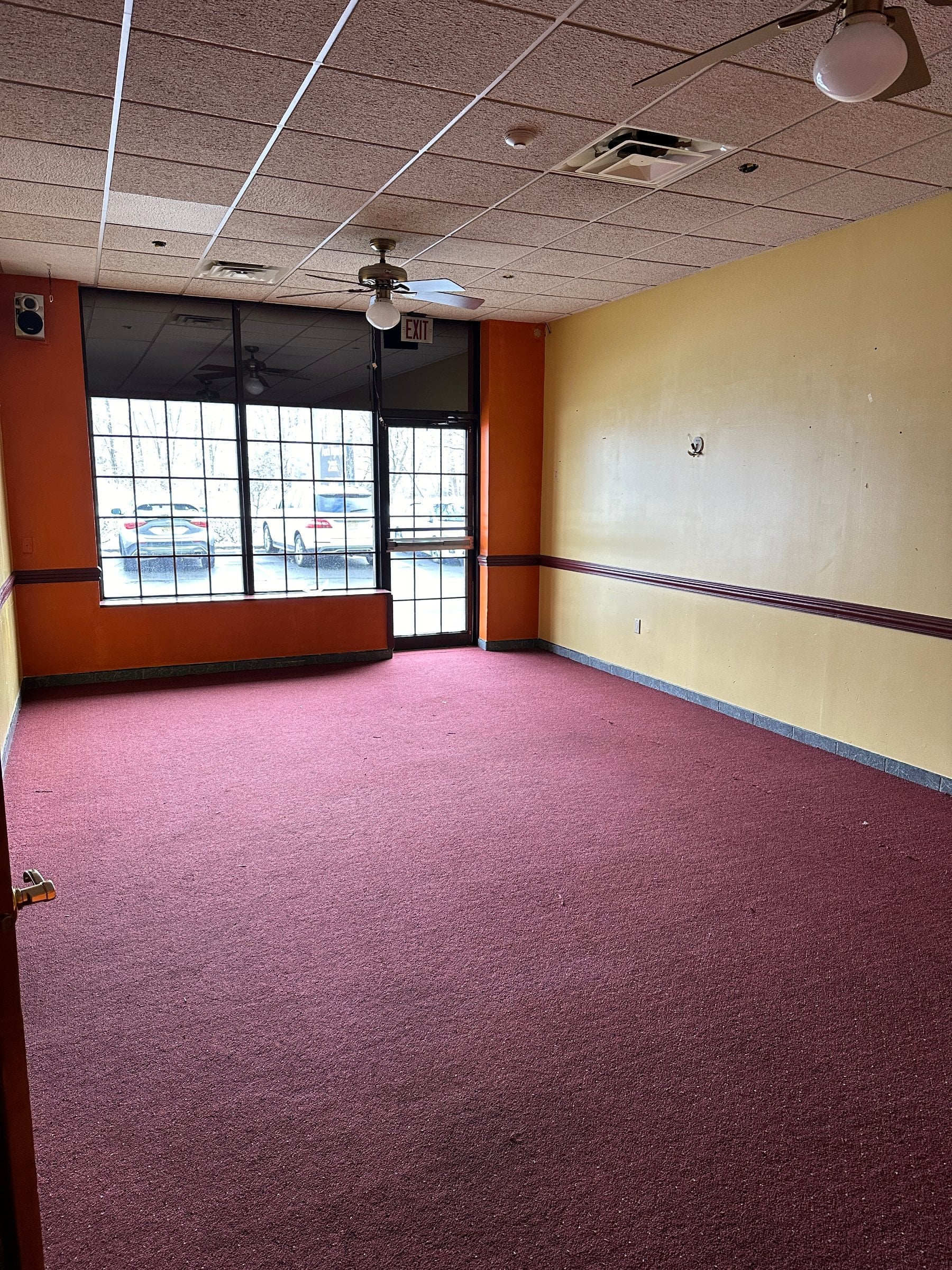
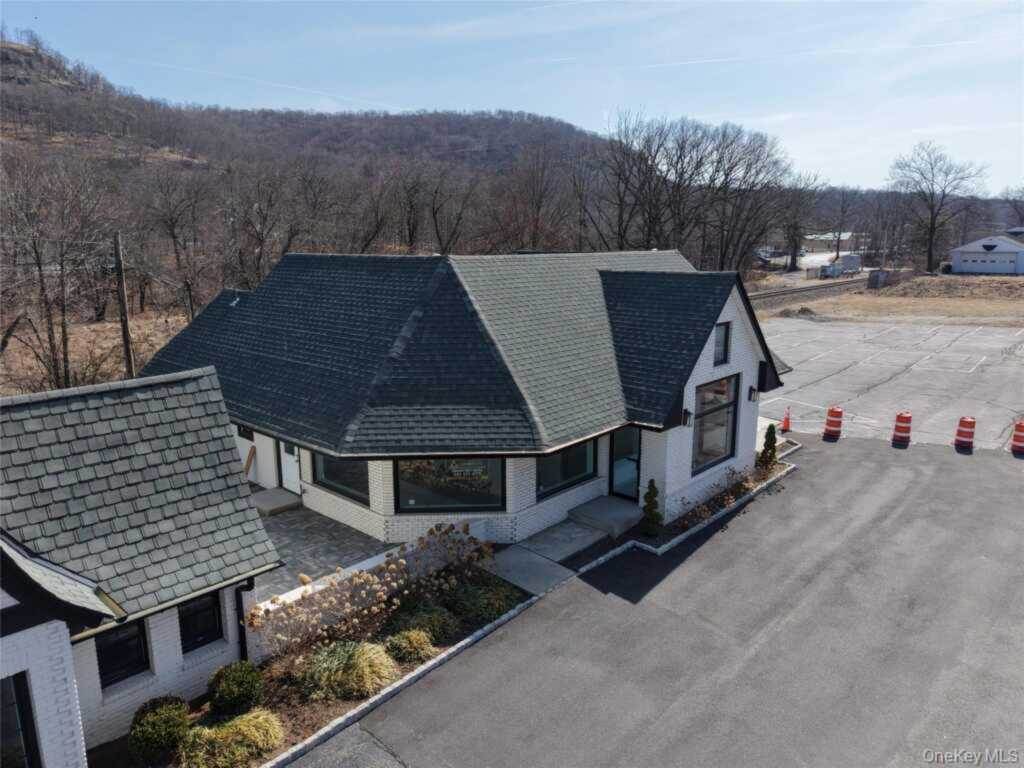
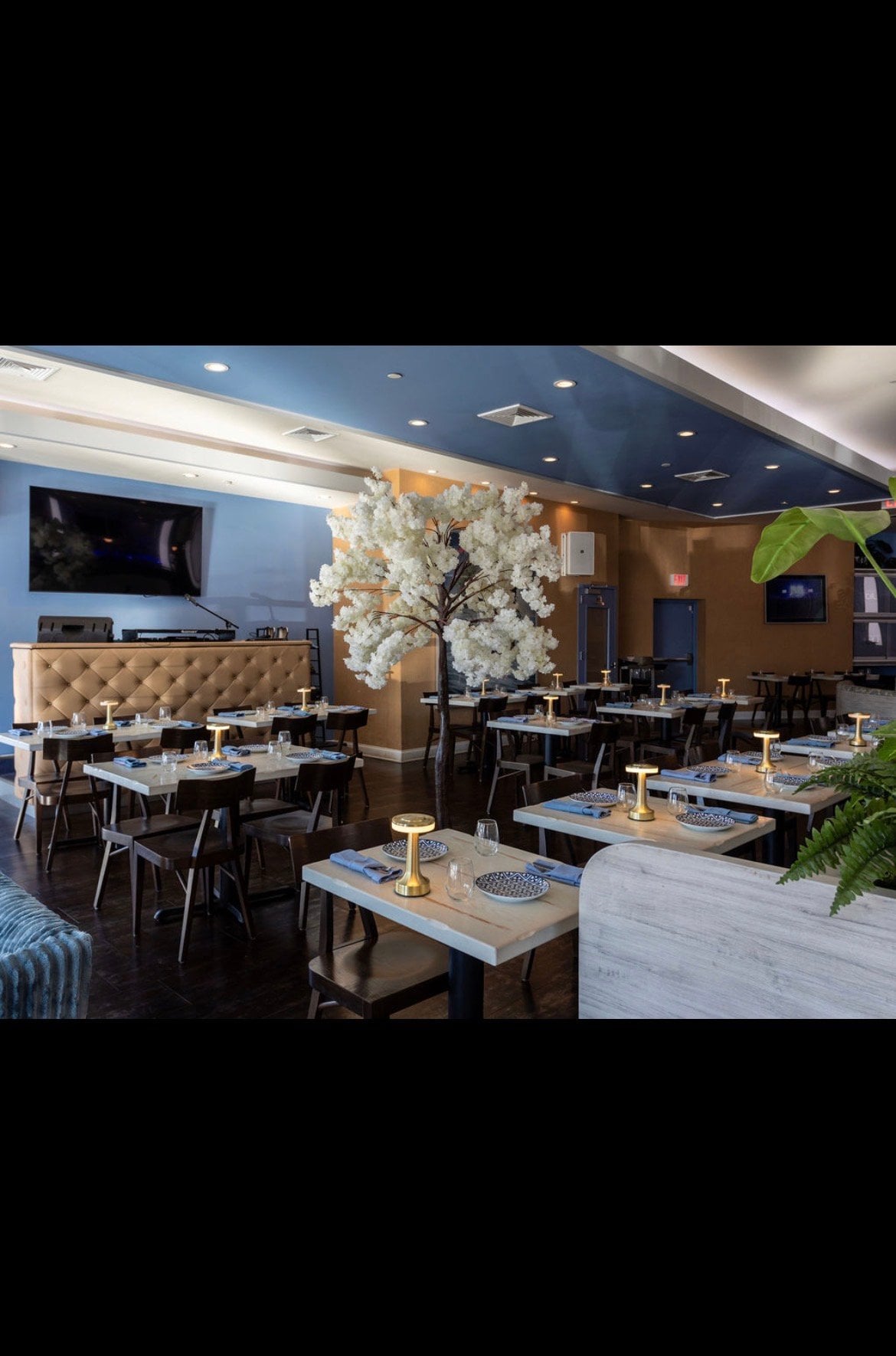
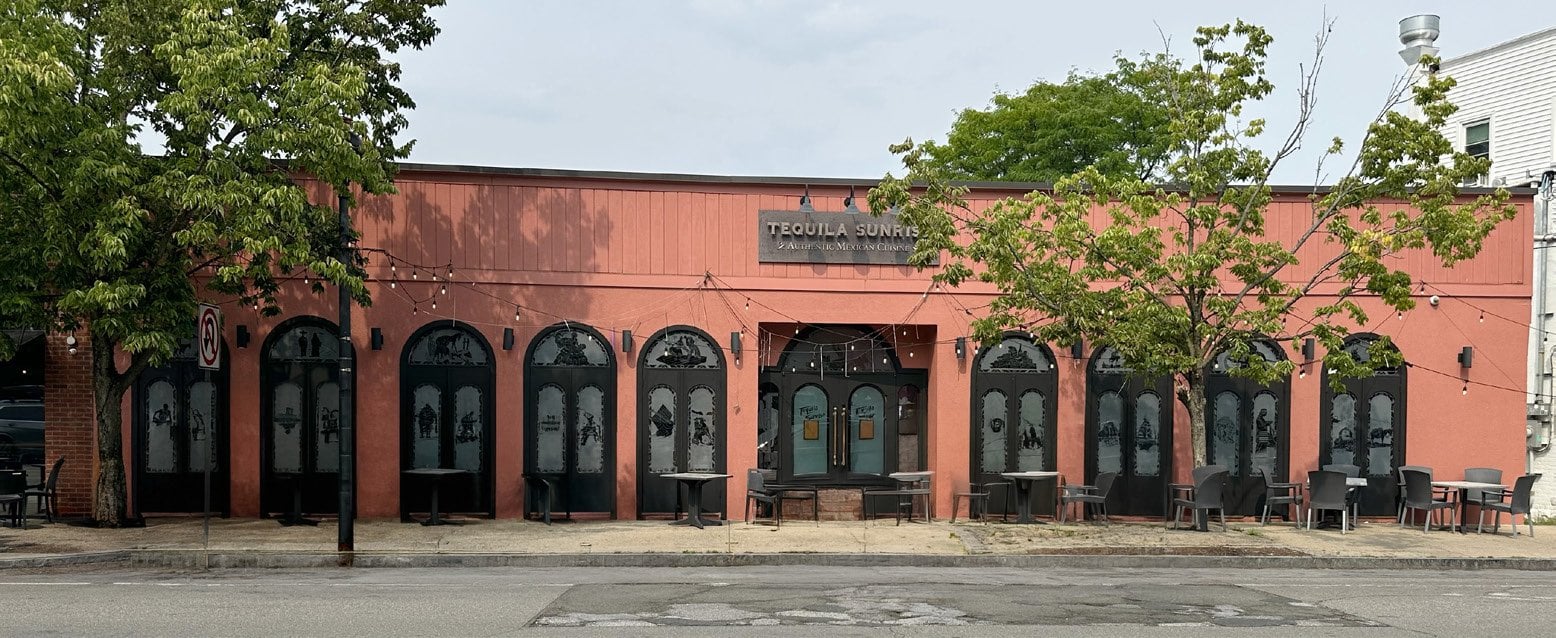
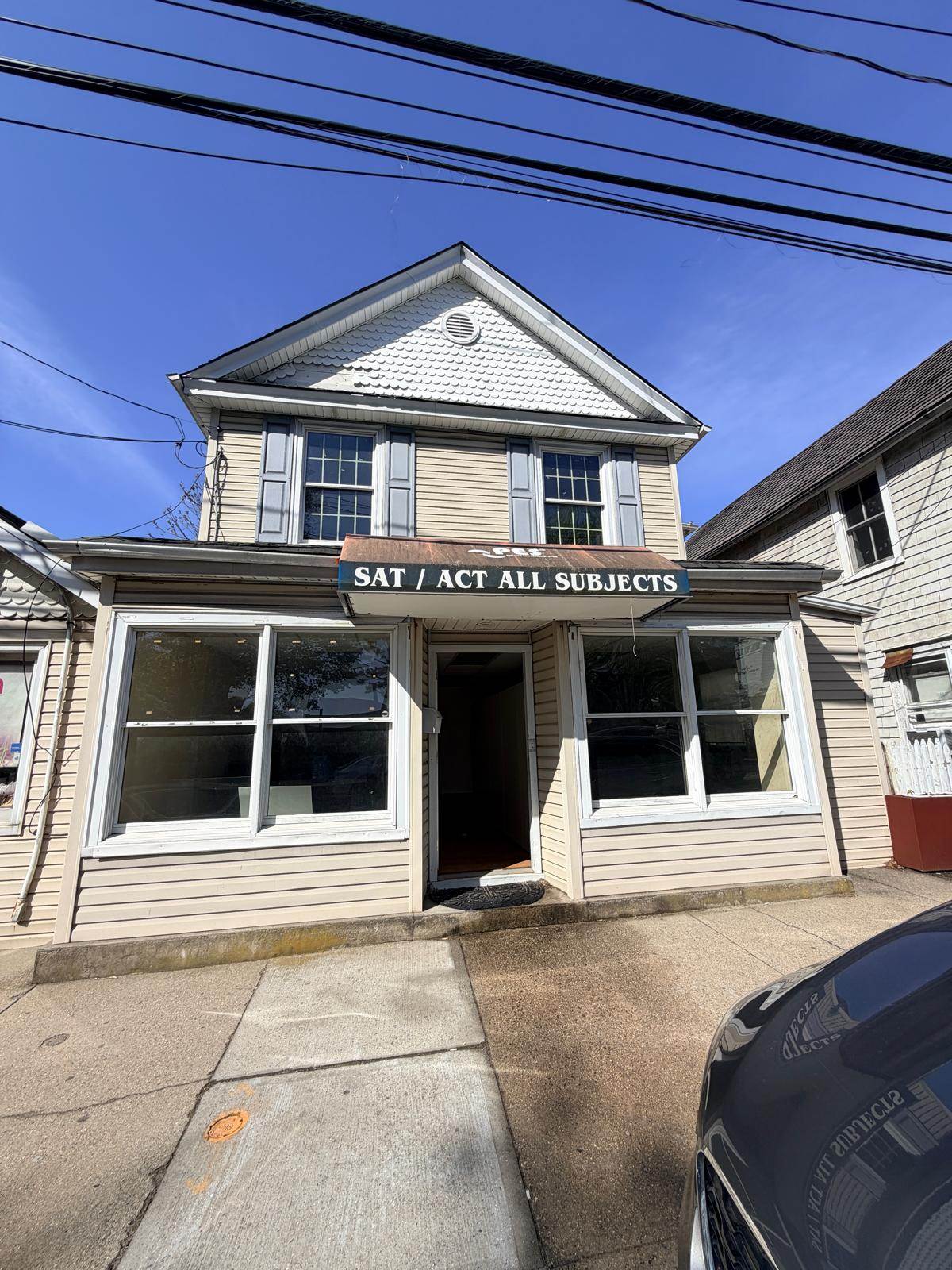
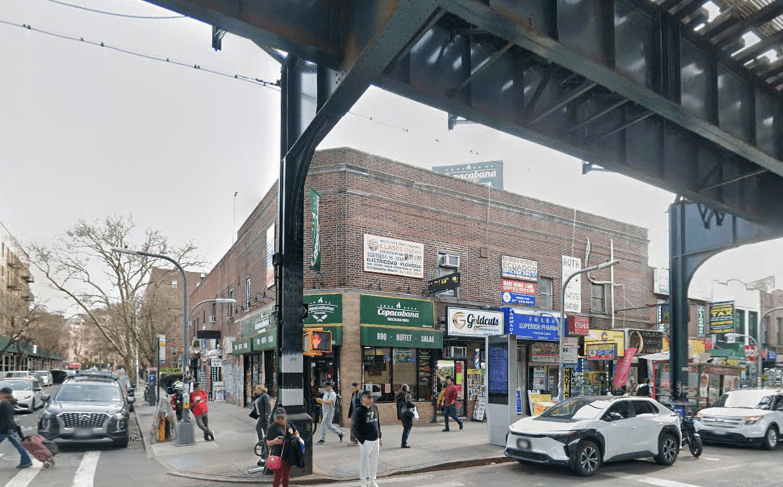
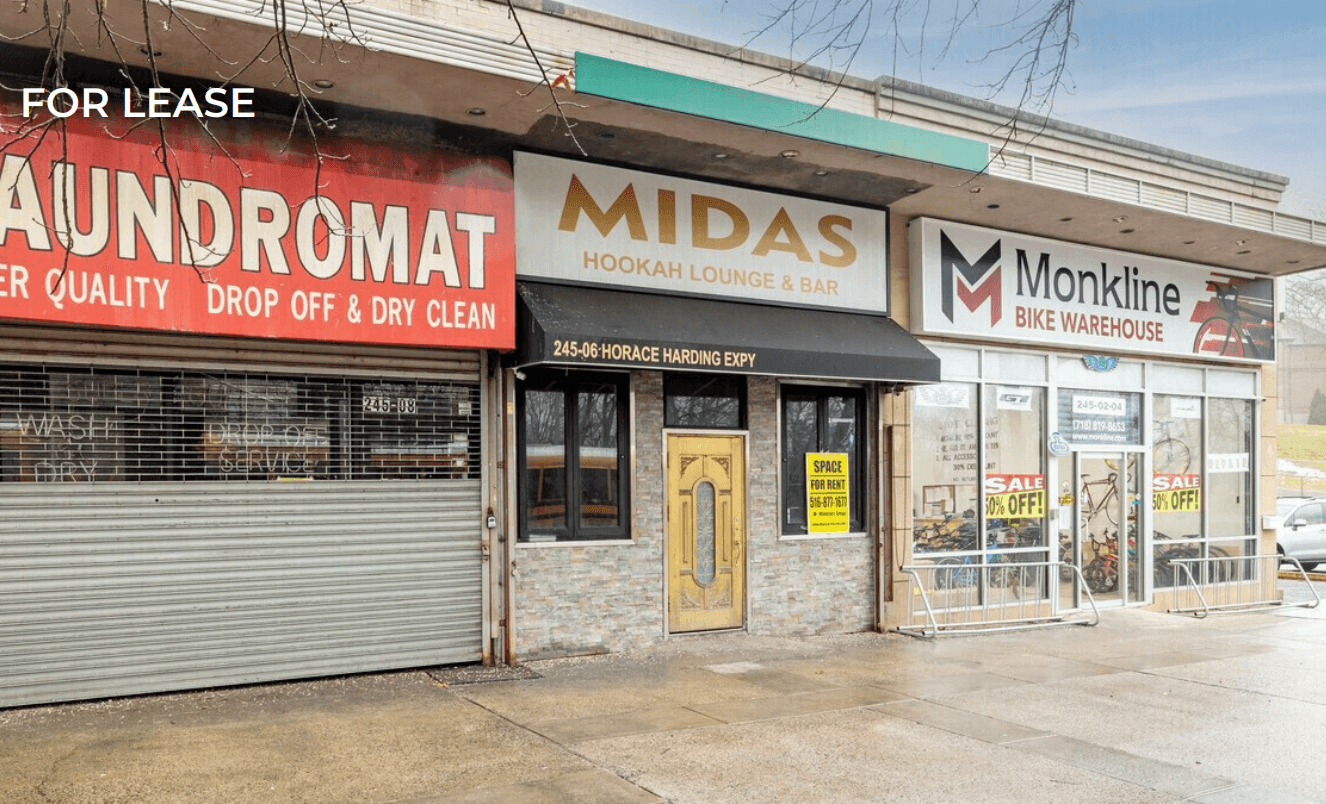
Compare hood, grease trap, walk-in, seating, patio, parking, utilities, and build-out condition before touring.

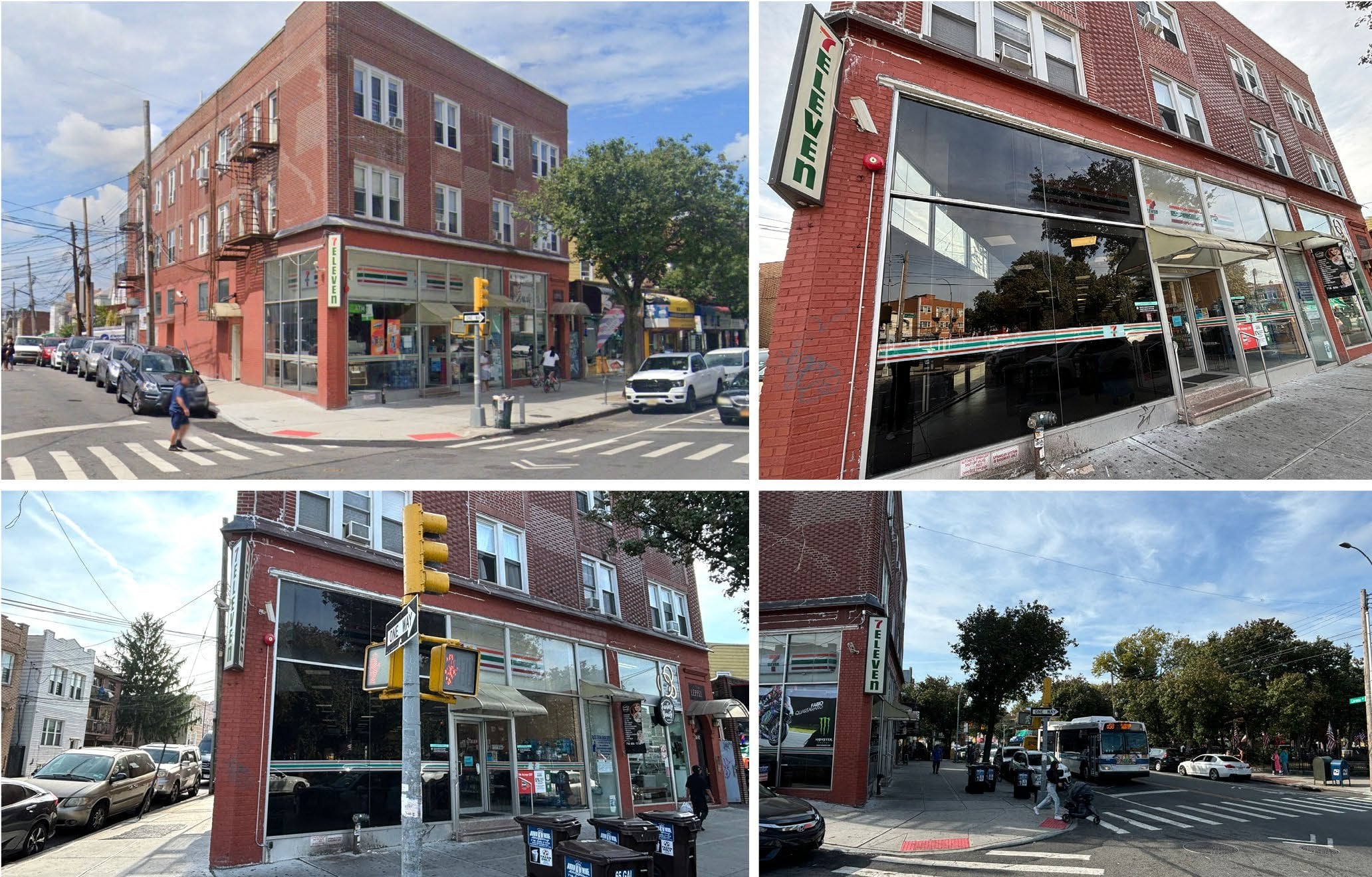
View listing contact
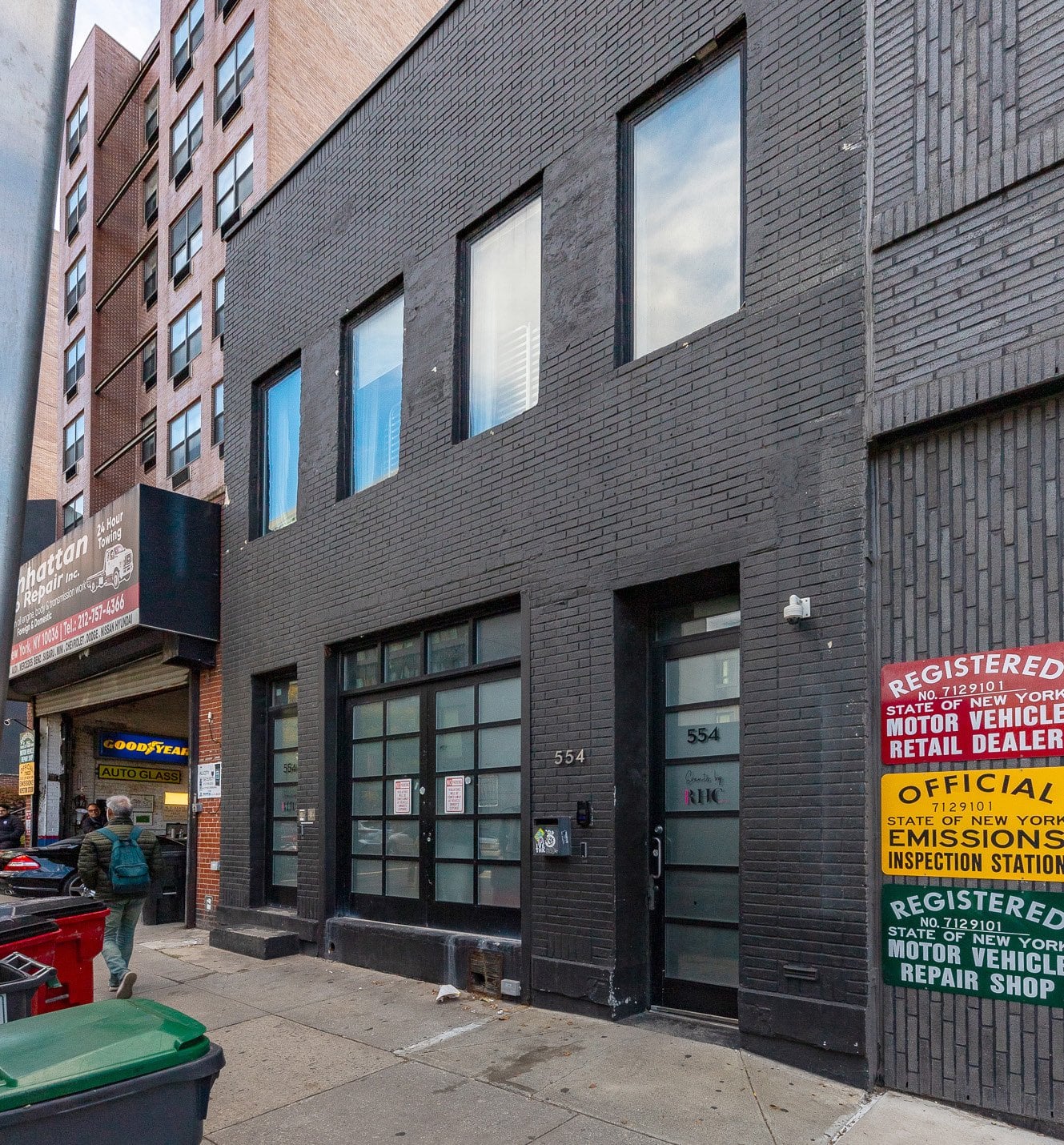
View listing contact
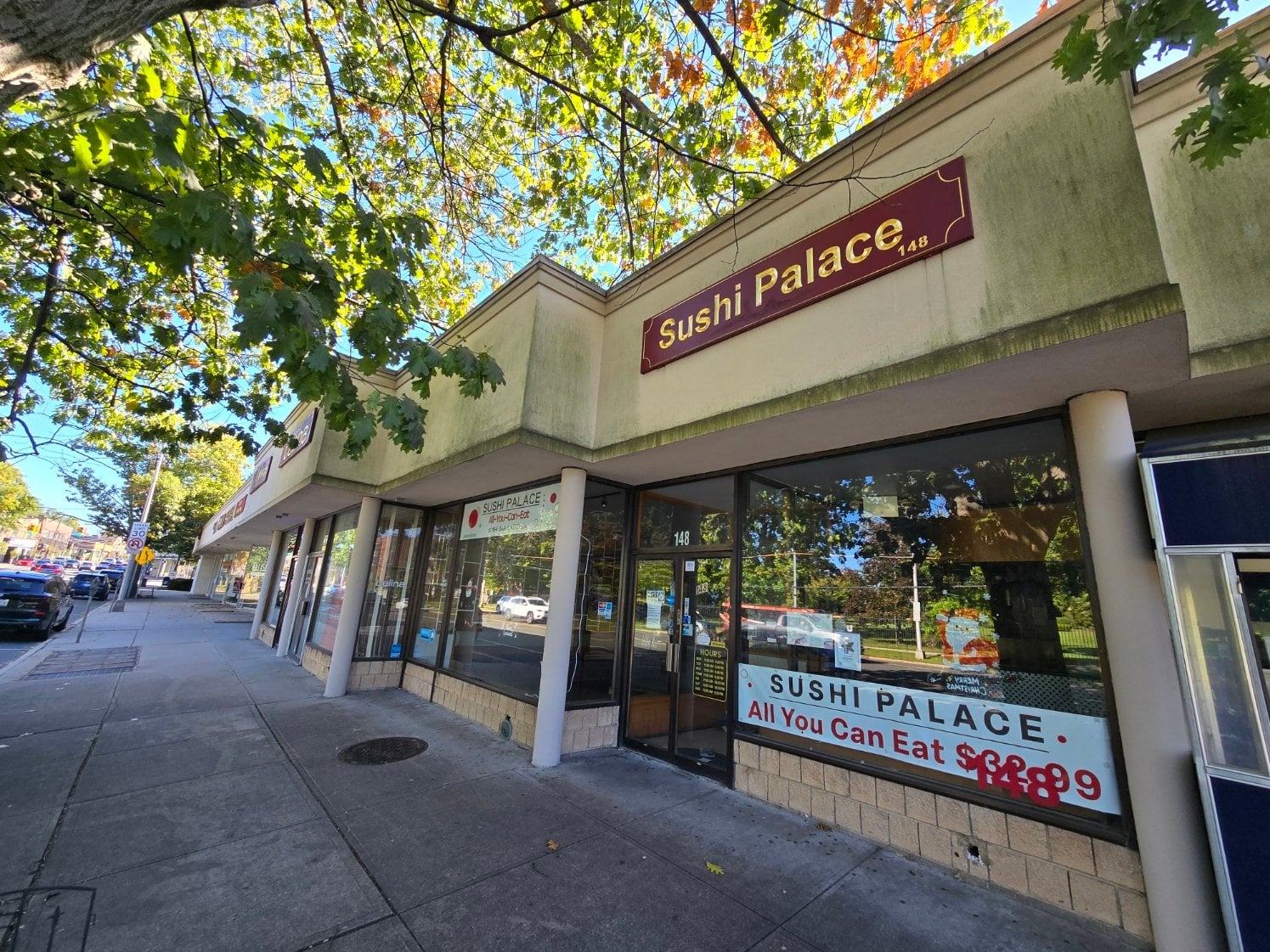
View listing contact
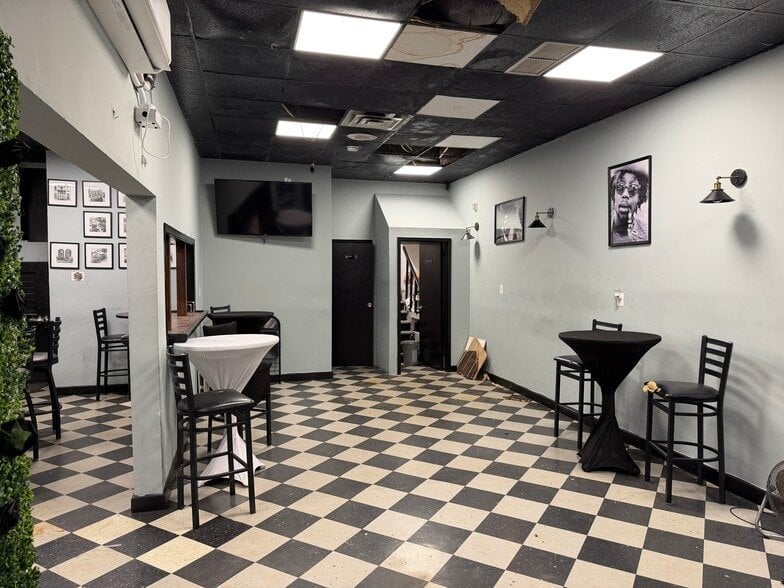
View listing contact
View listing contact
View listing contact
View listing contact
View listing contact
View listing contact
View listing contact
View listing contact
View listing contact
View listing contact

View listing contact
View listing contact
View listing contact
View listing contact
View listing contact
View listing contact
View listing contact
View listing contact
View listing contact
View listing contact
View listing contact
View listing contact
View listing contact
View listing contact
View listing contact
View listing contact
View listing contact
View listing contact
View listing contact
View listing contact
View listing contact
View listing contact
View listing contact
View listing contact
View listing contact
View listing contact
View listing contact
View listing contact
View listing contact
View listing contact
View listing contact
View listing contact
View listing contact
View listing contact
View listing contact
View listing contact
View listing contact
Market Context
White Plains serves as the commercial and dining hub of Westchester County, one of the wealthiest counties in the United States. The city has emerged as a serious restaurant market in its own right over the last decade, no longer simply a quieter alternative to NYC for Westchester residents who do not want to commute into Manhattan for dinner.
Lease rates run meaningfully below Manhattan and Brooklyn but materially above other midsize Northeast markets. Mamaroneck Avenue and the most premium downtown blocks reach $52 to $72 per square foot annually. The corporate corridor and lifestyle centers run $36 to $58. The most accessible neighborhoods sit at $32 to $46. Asset sales start from $45,000 and business sales from $140,000.
White Plains restaurant economics reward concepts that can serve both the corporate office population during the week and the affluent Westchester residential customer base evenings and weekends. The market has less direct tourism than NYC but a steady flow of regional Westchester customers who would otherwise drive into Manhattan, supporting strong average ticket sizes and consistent volume.
Popular Markets
White Plains's restaurant submarkets each carry distinct customer bases, lease economics, and concept fit. Choosing the right one matters as much as the concept itself.
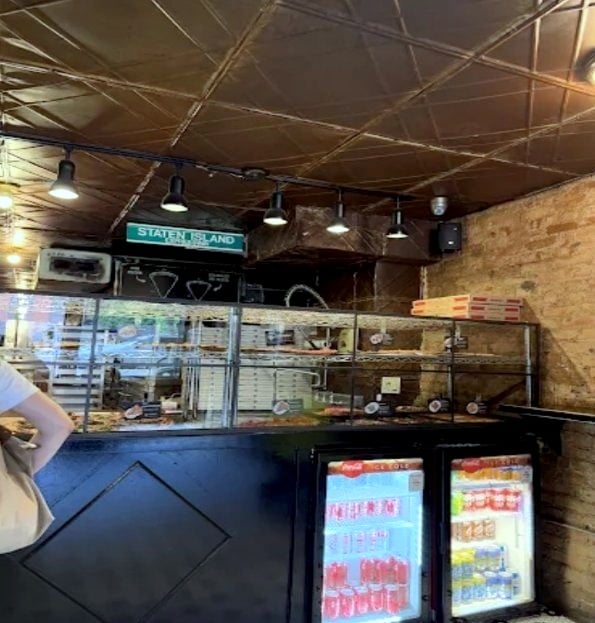
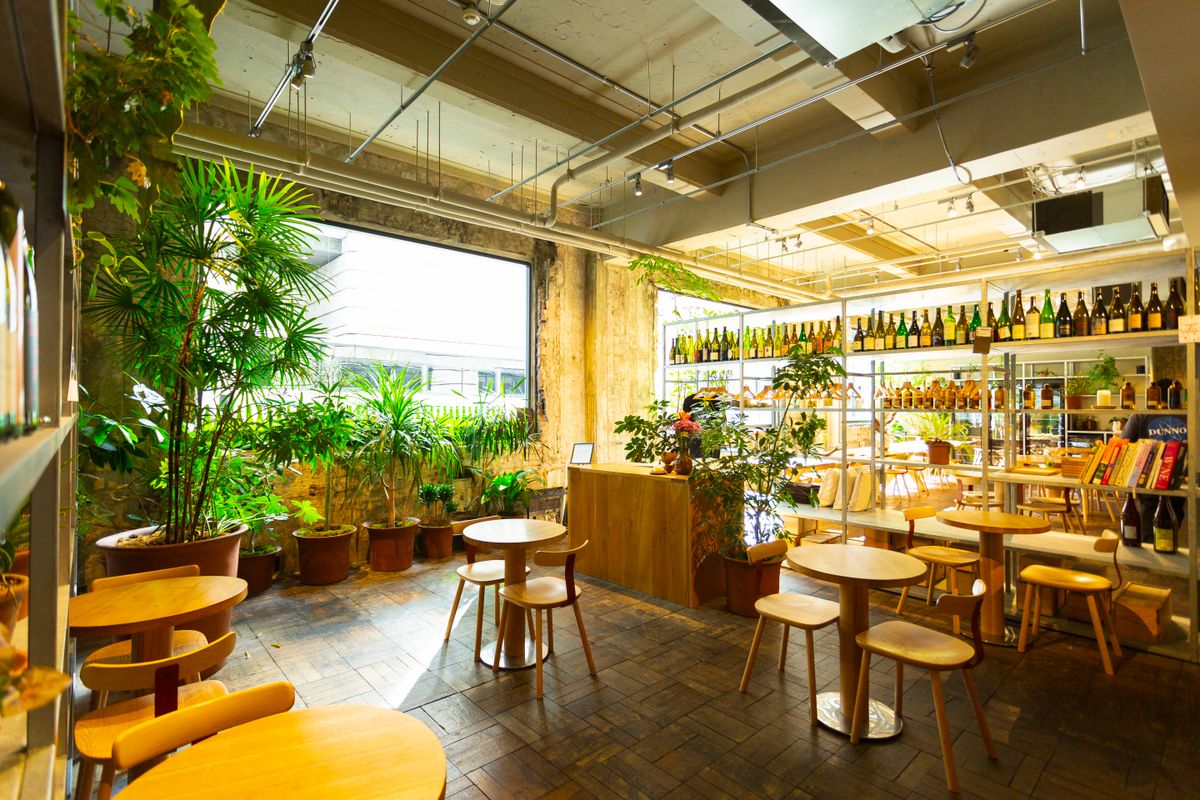
Second-generation restaurants, also called 2nd gen restaurants or 2nd generation restaurants, are spaces previously used as restaurants. They may retain kitchen infrastructure such as an exhaust hood, grease interceptor, utility connections, or dining areas. Existing improvements can reduce the work needed for a new concept, but condition, equipment inclusions, and required upgrades vary by listing.
For 2nd generation restaurant leasing in White Plains, compare base rent, additional charges, lease length, renewal options, and any payment for equipment or other assets. Confirm whether the offer is a direct lease, sublease, or assignment and what landlord approvals are required.
Verify ventilation, grease handling, power capacity, equipment condition, accessibility, and permitted use for your concept. Previous restaurant use does not guarantee current approvals, transferable licenses, or a turnkey opening. Not every listing is a second-generation space; confirm the buildout and current availability with the broker or owner.
Commercial kitchens for rent can include dedicated production kitchens, commissary space, catering facilities, and ghost kitchens. Compare exclusive or shared access, storage, ventilation, utilities, and permitted operating hours. A kitchen rental may not include a dining room or permission for customer-facing service.
Browse commercial kitchens for rentExplore the second-generation restaurant leasing guideTenant Guide
Compare hood, grease trap, walk-in, seating, patio, parking, utilities, and build-out condition before touring.
Ask whether the rentable opportunity is a direct lease, assignment, sublease, or turnkey build-out with existing restaurant infrastructure.
Confirm landlord consent, use approvals, health permits, alcohol licensing, signage, and local inspections for the address.
Compare base rent, NNN, tenant improvements, equipment needs, deposits, and permit costs before submitting an offer.
For Owners & Brokers
Built exclusively for restaurant real estate.
Every listing on Pepperlot is a restaurant or F&B space. No warehouses, offices, or unrelated commercial properties diluting your White Plains search.
Hood systems, grease traps, walk-in coolers, SLA permits, alcohol licenses, seating capacity, patio availability. The details that drive restaurant decisions are in every listing.
Cuisine gap analysis, demographic data, and competitive landscape information for White Plains. Make a more informed decision before committing capital or signing a lease.
Some of the best White Plains restaurant opportunities are listed confidentially. Pepperlot gives you access to off market opportunities not available on general platforms.

Platform
A step-by-step approach to acquiring your next location.
Filter White Plains restaurant spaces by submarket, size, lease rate, and specific features like hood systems, grease traps, outdoor seating, and existing SLA license eligibility. Every listing includes the operational details that matter for restaurant tenants.
Second generation restaurant spaces save $150,000 to $500,000 in build out costs. Confirm the existing hood type, grease trap capacity, plumbing condition, and electrical capacity match your concept's requirements before committing.
Each listing displays the contact details for the landlord or listing broker. Reach out directly. Ask for the lease term, base rent, CAM charges, NNN structure, tenant improvement allowance, and any operational restrictions. White Plains landlords vary significantly in flexibility.
White Plains restaurant lease rates range from $32 to $72 per square foot annually. Negotiate beyond just the base rent. Personal guarantee structure, free rent periods, tenant improvement allowance, and renewal options often have more economic impact than base rent reductions.
About PepperLot
PepperLot organizes restaurant space searches around the details tenants need in White Plains: build-out condition, hood, grease trap, seating, rent structure, and permit context.

White Plains restaurant lease rates run roughly $32 to $72 per square foot annually, depending on submarket. Prime locations command the higher end of the range. NNN structures with CAM charges typically add $8 to $18 per square foot annually.
On Pepperlot, the most active White Plains submarkets for lease listings are Mamaroneck Avenue and Downtown, City Center and The Westchester, Bloomingdale Road and the Corporate Office Corridor. Each carries different lease rates, customer bases, and concept fit. Choose the submarket where your concept aligns with the existing or growing customer mix.
A second generation space in White Plains is one that previously operated as a restaurant and retains the hood system, grease trap, plumbing, and venting infrastructure. These spaces save tenants $150,000 to $500,000 in build out costs and are the fastest path to opening, particularly in White Plains's established submarkets.
Yes. Most White Plains restaurant leases are NNN, meaning the tenant pays property taxes, insurance, and CAM on top of base rent. CAM charges in White Plains shopping centers and mixed use developments typically add $8 to $18 per square foot annually. Always request the most recent CAM reconciliation.
If your concept will serve alcohol, yes. The SLA issues on-premises liquor, beer and wine, and special restaurant licenses for New York restaurants. Some White Plains leases include the existing license in the assignment. Others require the tenant to apply separately, which can take 90 to 180 days. Confirm with the landlord and SLA before signing.
Yes. Listing on Pepperlot is free. Create a White Plains-specific listing with the hood system type, grease trap status, square footage, lease rate, and CAM charges. Confidential options are available for landlords replacing struggling tenants without alerting current staff.