
Confirm the space fit
Compare hood, grease trap, walk-in, seating, patio, parking, utilities, and build-out condition before touring.

No matches yet, we'll email you the moment a new listing fits this search. Or try adjusting your filters or searching in a different location.
No matches yet, we'll email you the moment a new listing fits this search. Or try adjusting your filters or searching in a different location.
Market Context
Key figures tenants and landlords need to understand the South Dakota restaurant lease market.
South Dakota restaurant leasing offers some of the most accessible entry costs in the United States. The state operates approximately 2,500 restaurant locations across two distinct economies: Sioux Falls (anchored by financial services and inbound migration) and the Black Hills tourism market around Rapid City. Secondary markets like Aberdeen, Brookings, and Pierre provide steady year round demand at the lowest lease rates in the country.
Lease rates span $12 to $30 per square foot annually. Sioux Falls downtown and Phillips Avenue command the high end. Rapid City prime tourism locations include peak season premiums during summer and Sturgis Rally week. Secondary markets run $12 to $20 per square foot on a triple net basis. CAM charges across South Dakota average $4 to $9 per square foot annually, lower than most states, reflecting smaller building footprints and lower property tax loads.
Most South Dakota commercial landlords are local owners rather than institutional operators. This translates to more flexible lease negotiation, willingness to share tenant improvement costs on second generation spaces, and reasonable burnoff terms on personal guarantees. Rapid City tourism market landlords are more selective and may include peak season operating provisions, particularly for spaces in tourist corridors near Mount Rushmore or in Deadwood.
Popular Markets
South Dakota restaurant lease opportunities span distinct regional markets, each with different rent ranges and operating profiles.
Tenant Guide
Compare hood, grease trap, walk-in, seating, patio, parking, utilities, and build-out condition before touring.
Ask whether the rentable opportunity is a direct lease, assignment, sublease, or turnkey build-out with existing restaurant infrastructure.
Confirm landlord consent, use approvals, health permits, alcohol licensing, signage, and local inspections for the address.
Compare base rent, NNN, tenant improvements, equipment needs, deposits, and permit costs before submitting an offer.
For Owners & Brokers
Built exclusively for restaurant real estate. Not a general commercial platform with a restaurant filter.
Every listing on Pepperlot is a restaurant or F&B space. No offices, no warehouses. South Dakota tenants only see spaces that fit their concept.
Hood systems, grease traps, walk-in coolers, alcohol license history, seating capacity, patio availability. The details that drive South Dakota leasing decisions are in every listing.
Apply once with the Pepperlot tenant application. Share with multiple South Dakota landlords. Restaurant specific fields landlords actually need.
Some of the best South Dakota restaurant spaces are listed confidentially. Pepperlot gives you access to off-market opportunities not available on general platforms.
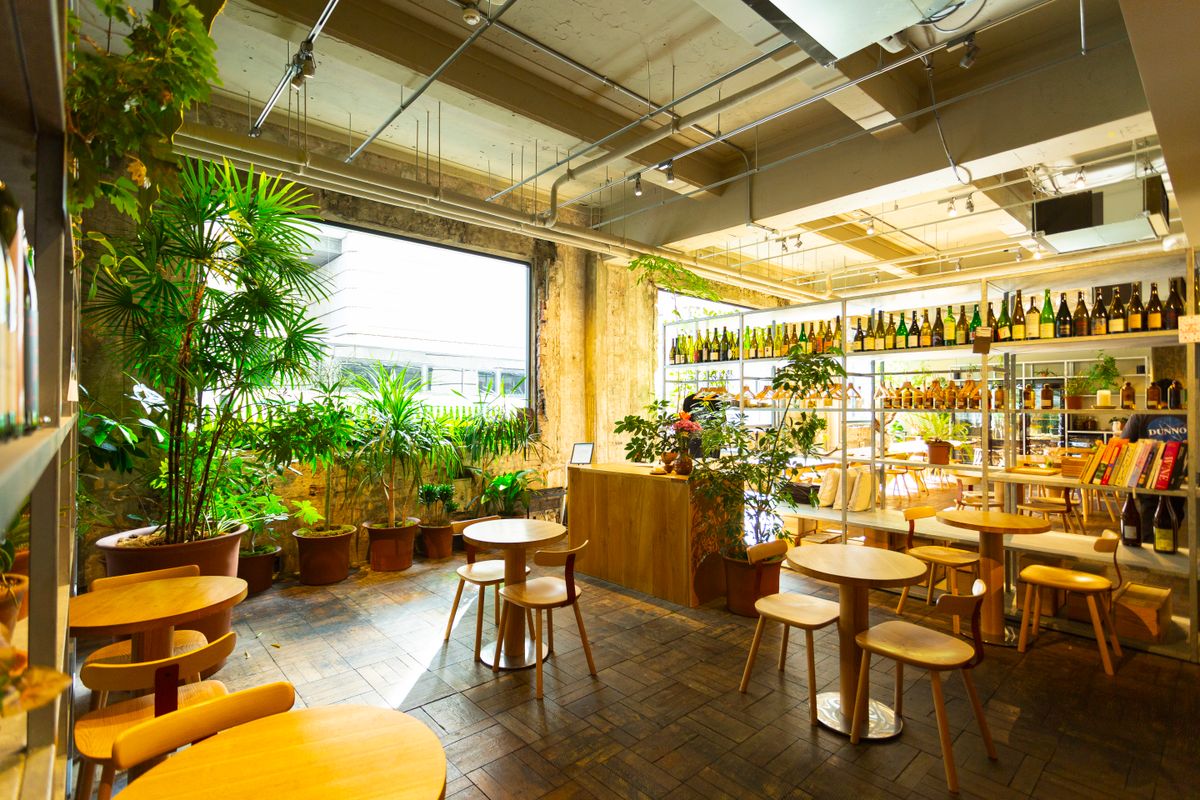
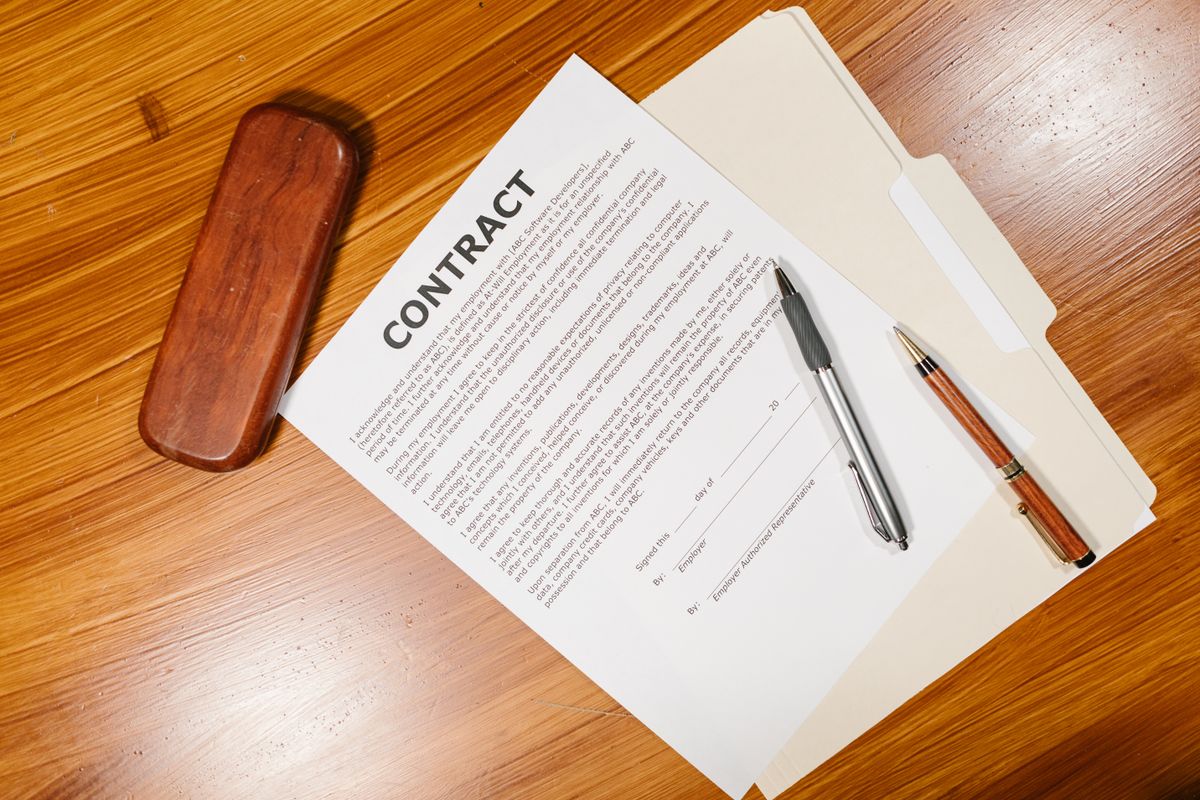
Platform
What to expect when leasing a restaurant space through Pepperlot anywhere in South Dakota.
Filter South Dakota lease opportunities by city, lease type, size, and restaurant specific features. Every listing includes hood systems, grease trap status, seating capacity, liquor license history, and existing permits. Many South Dakota spaces are second generation with substantial existing kitchen infrastructure at lease rates well below national averages.
South Dakota's market types (Sioux Falls year round, Black Hills tourism, and secondary value) operate differently. Confirm whether your concept fits the peak season cash flow profile of a Rapid City or Deadwood opportunity, or whether the steady demand of Sioux Falls or a college town like Brookings is a better fit for your operating model.
Pepperlot's standardised tenant application captures the restaurant specific financial detail South Dakota landlords need. South Dakota landlords are typically local owners who place high value on operator experience and references over balance sheet size. The standard South Dakota security deposit is 1 to 3 months of base rent.
Review CAM charges, percentage rent triggers, exclusivity clauses, and operating requirements before signing. South Dakota restaurant leases typically include personal guarantees with burnoffs after 24 to 36 months negotiable from most local landlords. Rapid City tourism market leases may include peak season operating provisions. Confirm municipal liquor licensing path before lease commencement.
About PepperLot
PepperLot organizes restaurant space searches around the details tenants need in South Dakota: build-out condition, hood, grease trap, seating, rent structure, and permit context.

South Dakota restaurant lease rates span $12 to $30 per square foot annually, among the most affordable in the United States. Sioux Falls downtown and Phillips Avenue average $22 to $30. Rapid City prime tourism locations run $20 to $28 with seasonal premiums. Secondary markets like Aberdeen, Brookings, Watertown, and Pierre typically run $12 to $20 per square foot. CAM charges average $4 to $9 per square foot annually.
Triple net (NNN) is the most common structure statewide. Rapid City tourism market leases sometimes include peak season operating provisions tied to Sturgis Rally week and the summer Black Hills season. Sioux Falls and secondary market leases follow more conventional NNN terms. Lease assignments and subleases are also available on Pepperlot, often with shorter remaining terms and existing build outs.
Rapid City and the Black Hills area produce 50% or more of annual restaurant revenue during summer peak season, with the Sturgis Motorcycle Rally driving outsized single week volume. Tenants leasing in these markets should model their operating plan against the seasonal cash flow pattern, confirm any percentage rent provisions during lease negotiation, and ensure cash reserves are sufficient to operate through the off season.
South Dakota restaurant leases typically run 5 to 10 years statewide. Local landlords are often willing to consider shorter primary terms (3 to 5 years) for second generation spaces with strong renewal options. Build to suit and shell space leases run longer, typically 7 to 10 years to justify the landlord's tenant improvement contribution.
Yes. Listing on Pepperlot is free for landlords and brokers. Create a restaurant specific listing with details like hood systems, grease trap, kitchen equipment, liquor license history, and lease terms, and your space is in front of tenants the same day. Confidential listing options are also available.