
Asset Sale
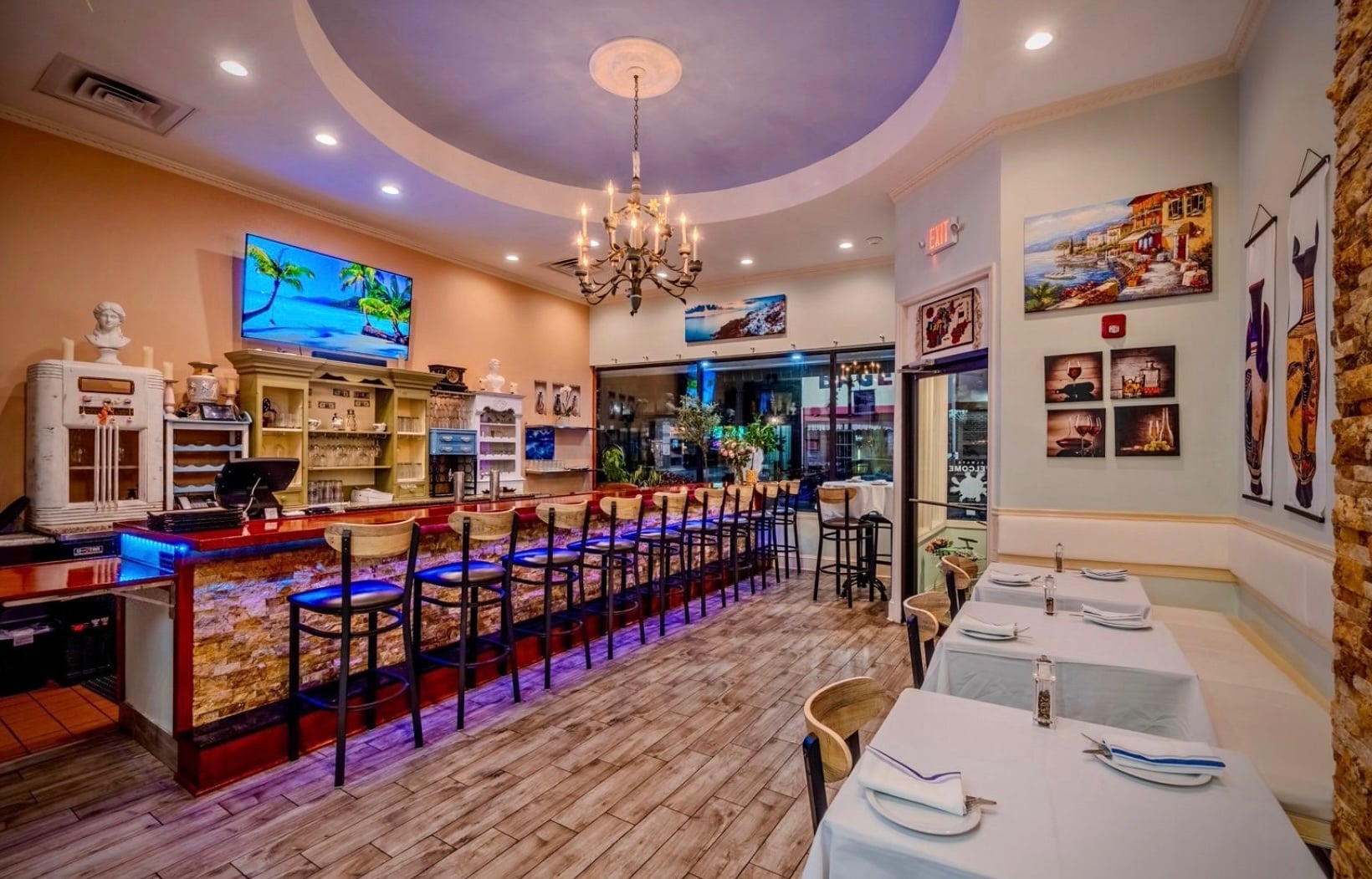
A buyer acquires equipment, fixtures, furniture, and restaurant infrastructure without taking on the prior operating company.

Operating business
View listing contact
Financials are seller-reported.
Current rent: $2,600/mo
View listing contact
Financials are seller-reported.
Current rent: $8,000/mo
Operating business
View listing contact

Financials are seller-reported.
Current rent: $8,750/mo
Operating business
View listing contact

Financials are seller-reported.
Current rent: $4,800/mo
Operating business
View listing contact
Financials are seller-reported.
Current rent: $6,000/mo
Operating business
View listing contact
Financials are seller-reported.
Operating business
View listing contact
Financials are seller-reported.
Operating business
View listing contact
Financials are seller-reported.
Current rent: $13,000/mo
Operating business
View listing contact
View listing contact
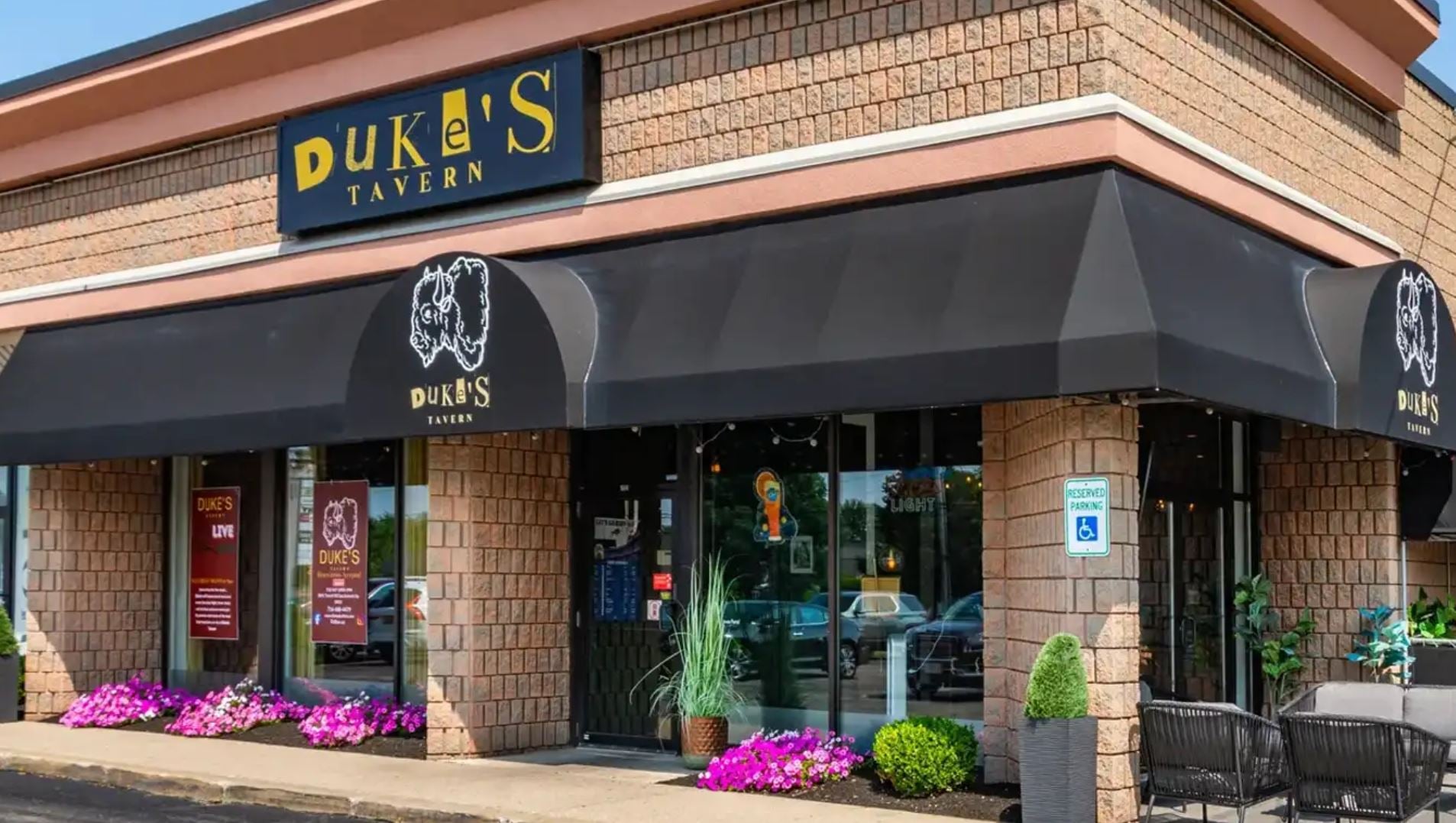
Current rent: $17.50/SF/yr
View listing contact
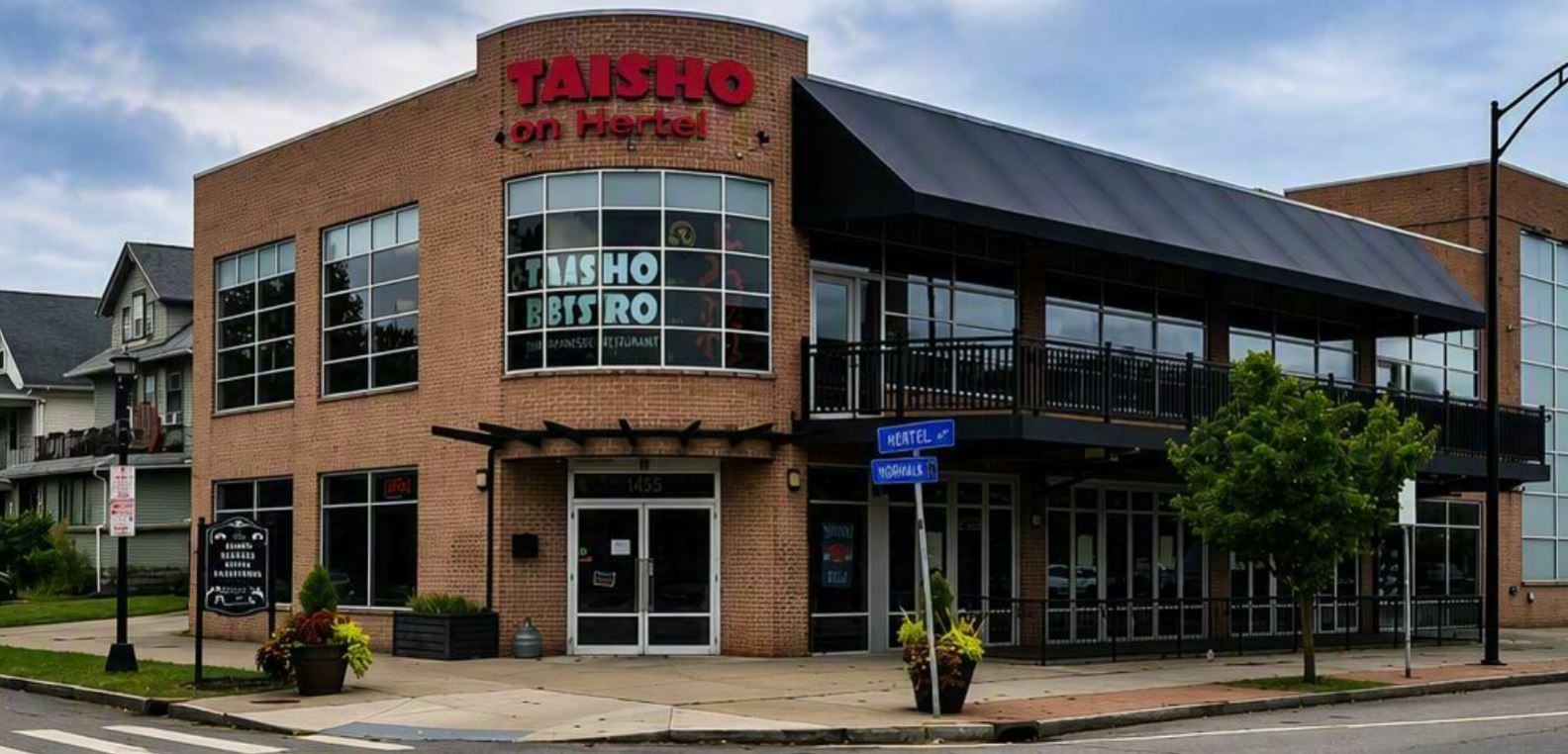
Operating business
View listing contact
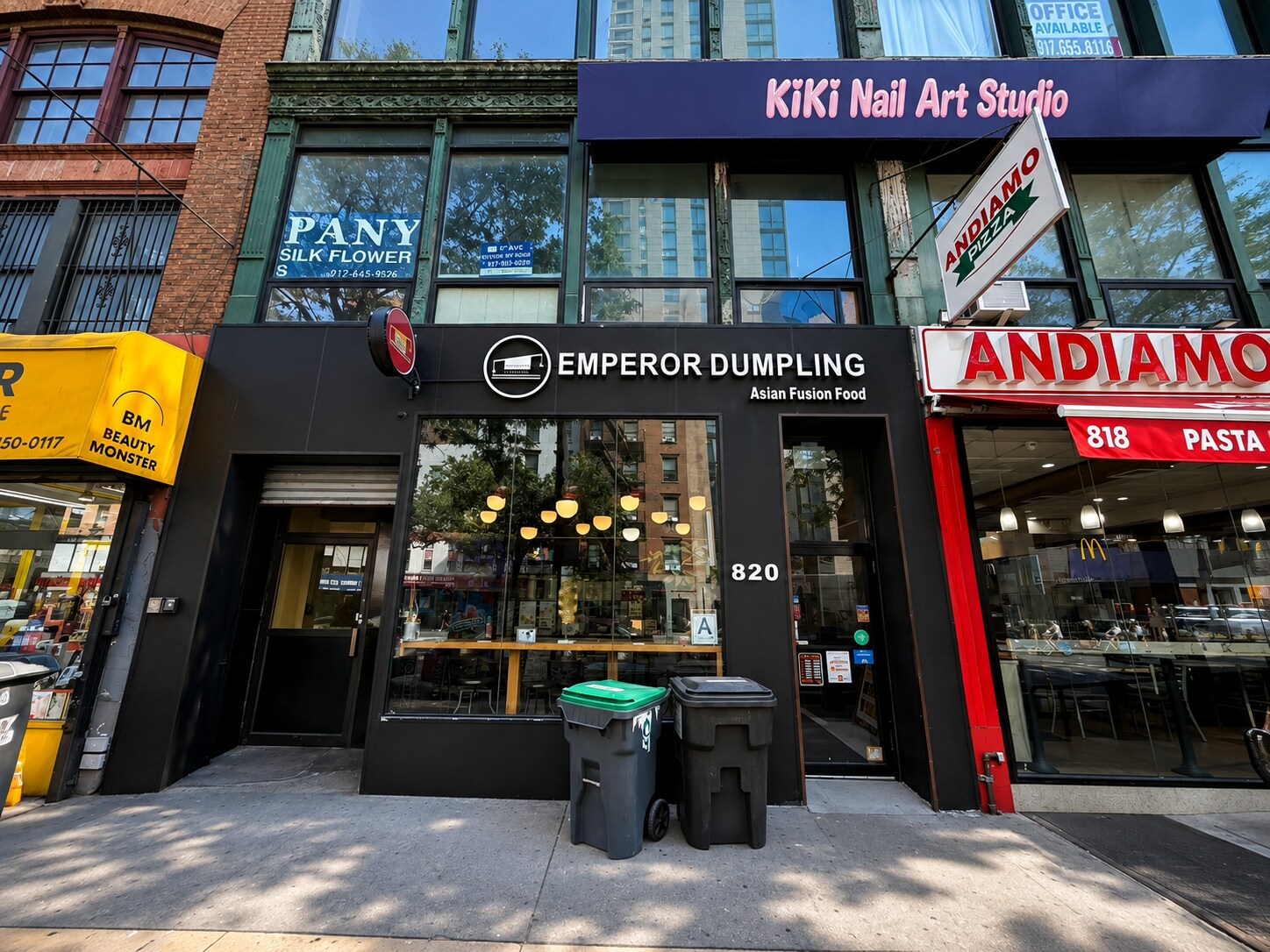
Current rent: $11.25/SF/mo
Operating business
View listing contact
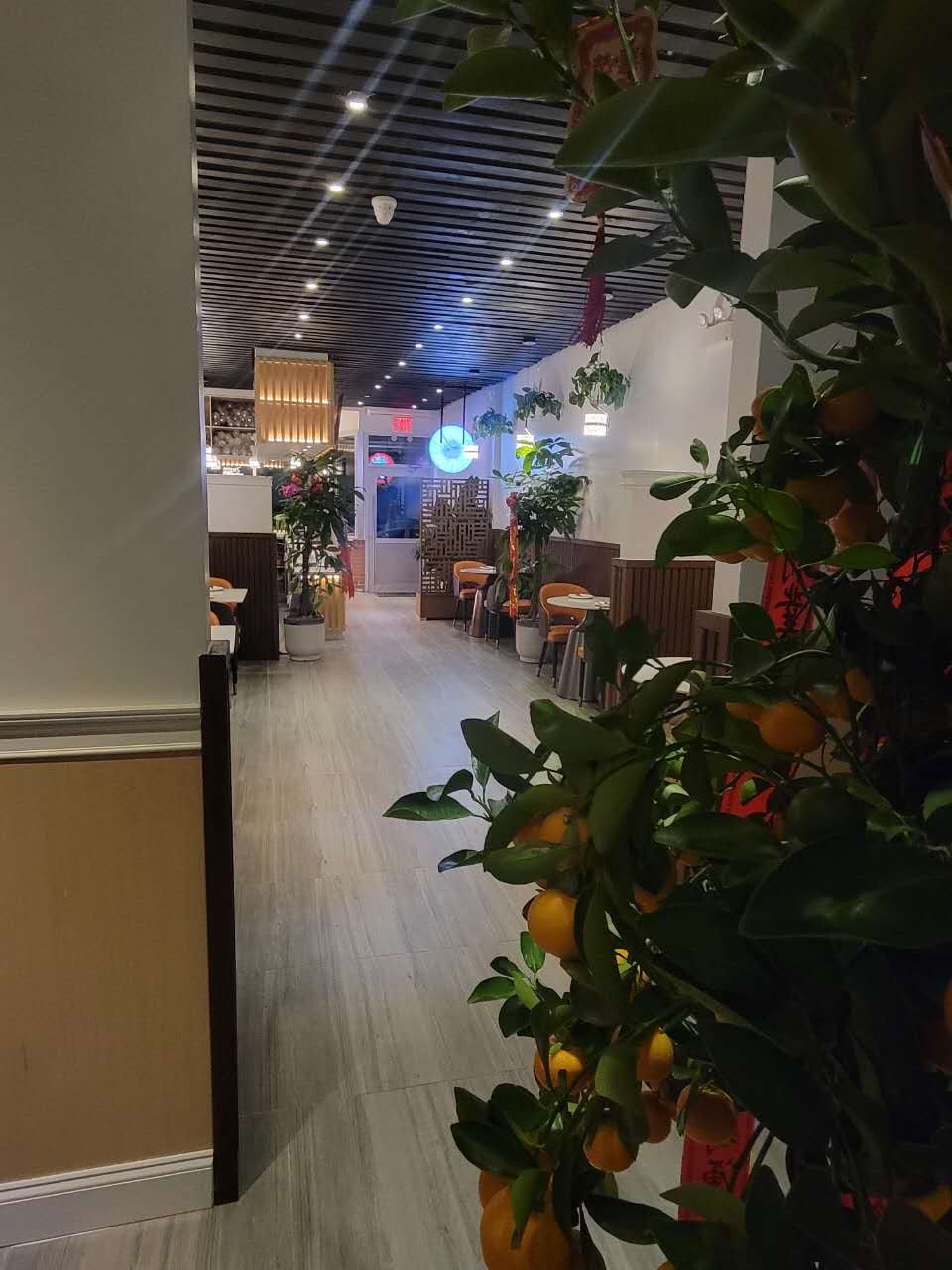
Current rent: $6,767/mo
Operating business
View listing contact
Financials are seller-reported.
Current rent: $24,300/mo
Operating business
View listing contact
Operating business
View listing contact

Financials are seller-reported.
Current rent: $19,134/mo
Operating business
View listing contact
Financials are seller-reported.
Operating business
View listing contact

Financials are seller-reported.
Current rent: $4,166/mo
Operating business
View listing contact

Financials are seller-reported.
Current rent: $3,000/mo
Operating business
View listing contact

Financials are seller-reported.
Current rent: $3,500/mo
Operating business
View listing contact

Financials are seller-reported.
Current rent: $8,000/mo
Operating business
View listing contact

Financials are seller-reported.
Operating business
View listing contact
Financials are seller-reported.
Current rent: $6,000/mo
View listing contact
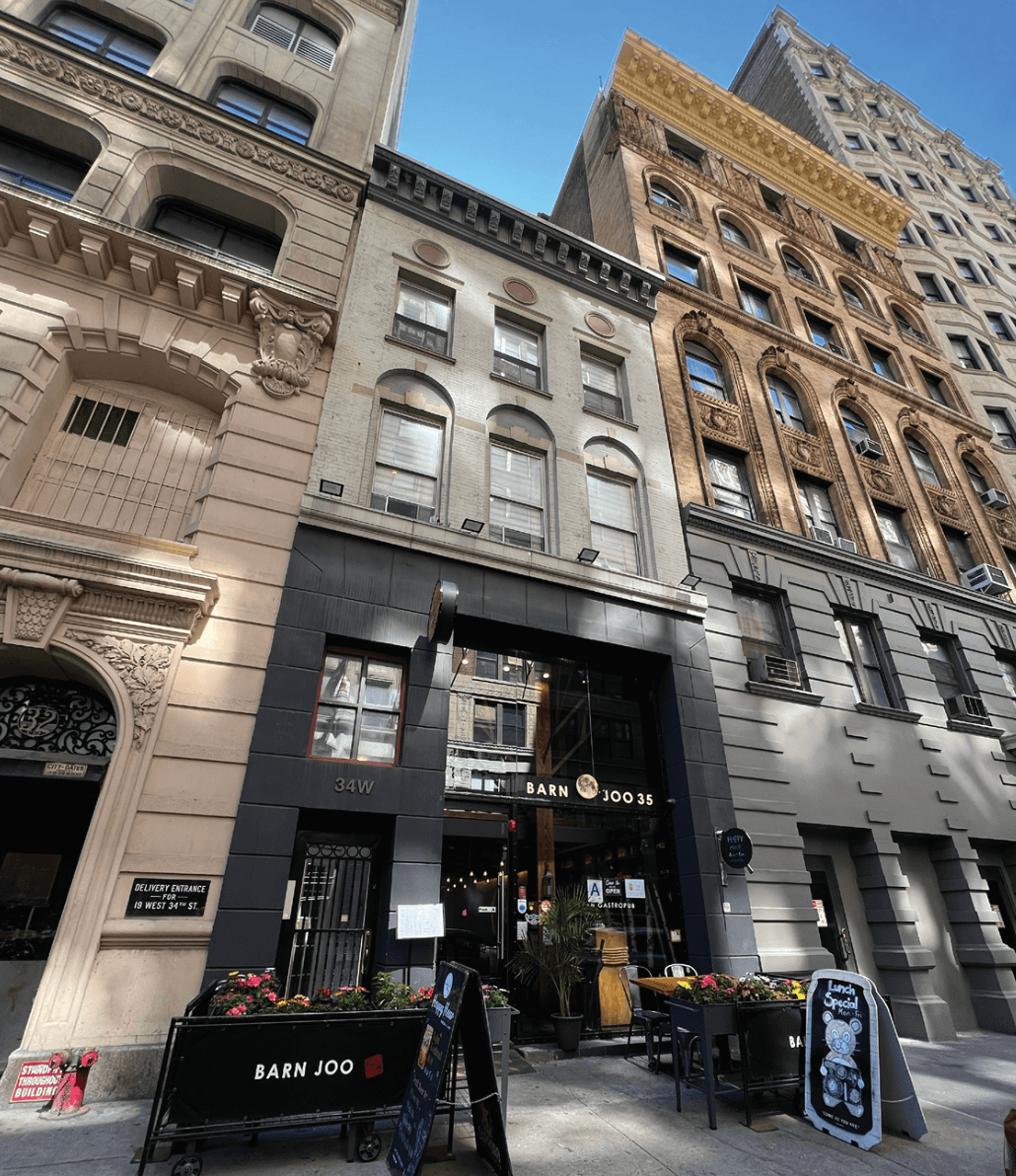
Current rent: $30,000/mo
View listing contact
Operating business
View listing contact
Financials are seller-reported.
Current rent: $2,600/mo
View listing contact
Financials are seller-reported.
Current rent: $8,000/mo
Operating business
View listing contact
Financials are seller-reported.
Current rent: $8,750/mo
Operating business
View listing contact
Financials are seller-reported.
Current rent: $4,800/mo
Operating business
View listing contact
Financials are seller-reported.
Current rent: $6,000/mo
Operating business
View listing contact
Financials are seller-reported.
Operating business
View listing contact
Financials are seller-reported.
Operating business
View listing contact
Financials are seller-reported.
Current rent: $13,000/mo
Operating business
View listing contact
View listing contact
Current rent: $17.50/SF/yr
View listing contact
Operating business
View listing contact
Current rent: $11.25/SF/mo
Operating business
View listing contact
Current rent: $6,767/mo
Operating business
View listing contact
Financials are seller-reported.
Current rent: $24,300/mo
Operating business
View listing contact
Operating business
View listing contact
Financials are seller-reported.
Current rent: $19,134/mo
Operating business
View listing contact
Financials are seller-reported.
Operating business
View listing contact
Financials are seller-reported.
Current rent: $4,166/mo
Operating business
View listing contact
Financials are seller-reported.
Current rent: $3,000/mo
Operating business
View listing contact
Financials are seller-reported.
Current rent: $3,500/mo
Operating business
View listing contact
Financials are seller-reported.
Current rent: $8,000/mo
Operating business
View listing contact
Financials are seller-reported.
Operating business
View listing contact
Financials are seller-reported.
Current rent: $6,000/mo
View listing contact
Current rent: $30,000/mo
View listing contact
Market Context
New York is the second largest restaurant market in the United States by sales and the most concentrated by far. The five boroughs of New York City alone generate over $50 billion in annual restaurant sales across roughly 25,000 establishments. Add the Hudson Valley, Long Island, Westchester, the Capital Region, and Western New York and the state has more independent restaurants per capita than any other in the country.
Lease rates and acquisition prices vary more dramatically across New York than any other US state. Prime Manhattan corridors like Madison Avenue, Soho, and the Meatpacking District command $150 to $250 per square foot annually. Brooklyn submarkets like Williamsburg and Park Slope run $80 to $140. Queens, the Bronx, and most of Upstate New York sit between $25 and $70 per square foot. Buffalo, Rochester, and Syracuse offer lease rates from $18 to $42, among the most accessible in the Northeast.
Every New York restaurant transaction involving alcohol requires SLA (State Liquor Authority) license review. New York's licensing regime is among the most complex in the country, with separate license types for on-premises, off-premises, beer and wine only, and special restaurant or hotel licenses. Liquor license transfers can take 90 to 180 days, materially longer than most states, and quota restrictions in dense submarkets make existing licenses valuable assets in transactions.
Popular Markets
New York restaurant opportunities span four distinct regional markets, each with different entry costs, demographics, and buyer demand.
A second-generation restaurant, also called a 2nd gen restaurant, is a space previously used as a restaurant. It may retain kitchen infrastructure such as an exhaust hood, grease interceptor, utility connections, or dining areas. Existing improvements can reduce the work needed for a new concept, but condition, equipment inclusions, and required upgrades vary by listing.
When evaluating a second-generation restaurant for sale in New York State, distinguish an asset sale from a business sale or a property sale. Buying equipment or a restaurant business does not necessarily include the real estate. Review the included assets and whether you need a new lease or approval to assume an existing lease.
Verify ventilation, grease handling, power capacity, equipment condition, accessibility, and permitted use for your concept. Previous restaurant use does not guarantee current approvals, transferable licenses, or a turnkey opening. Not every listing is a second-generation space; confirm the buildout and current availability with the broker or owner.
Sale Types
A buyer acquires equipment, fixtures, furniture, and restaurant infrastructure without taking on the prior operating company.
A buyer acquires the operating business, brand, staff continuity, vendor relationships, and transfer documents tied to the acquisition.
A buyer acquires the real estate along with restaurant improvements, building systems, and site control.
Price Context
Asking prices vary by market, concept, profitability, equipment condition, and whether real estate is included. Buyers often compare asset sales below $250,000, business sales from $250,000 to $1,000,000, and property sales above that range.
In New York State, review the asking price against kitchen infrastructure, seating, alcohol license status, seller financing terms, and local permit transfer requirements.
Licenses and Permits
Before completing a restaurant acquisition in New York State, confirm NY alcohol license transfer, health permits, business licenses, signage approvals, and local operating permits with the agencies that control the address.
Permit transfer rules vary by market, so buyers should verify what transfers with the business sale, what requires a new application, and what must be approved by the landlord or property owner.
For Owners & Brokers
Built exclusively for restaurant real estate.
Every listing on Pepperlot is a restaurant or F&B space. No warehouses, offices, or unrelated commercial properties diluting your New York search.
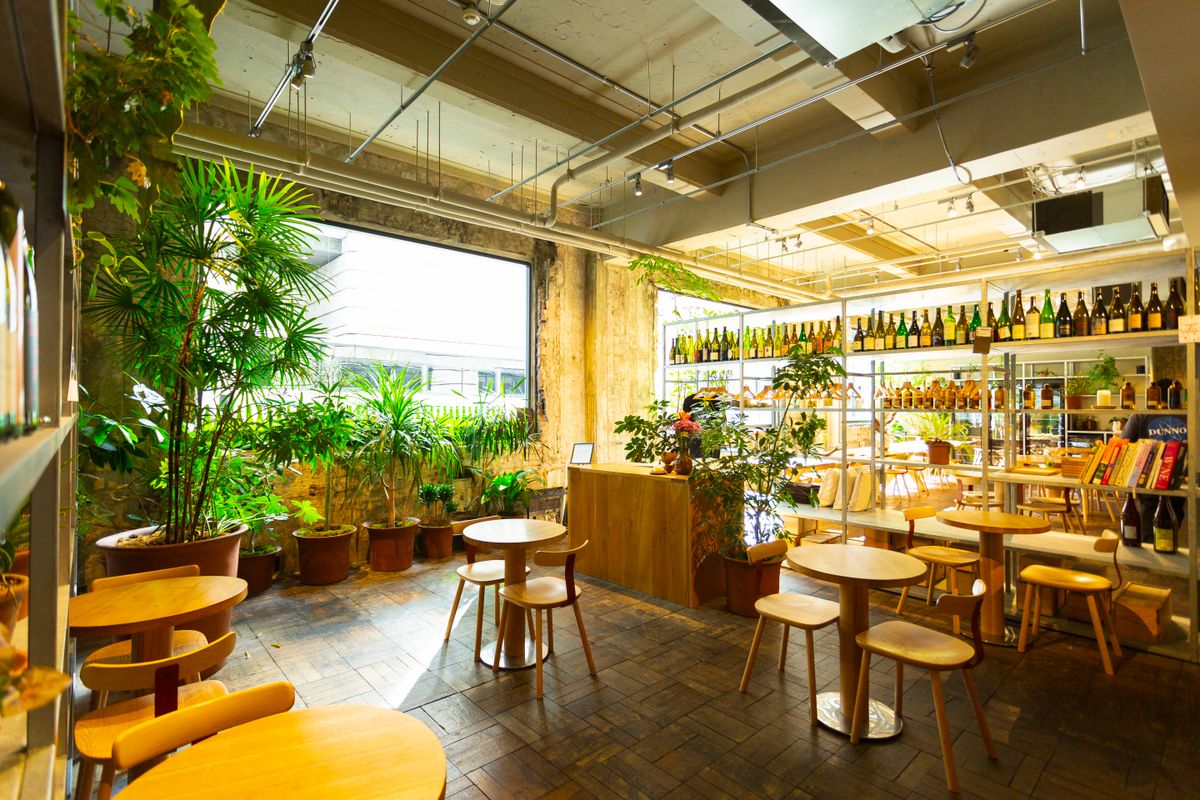
Hood systems, grease traps, walk-in coolers, SLA permits, alcohol licenses, seating capacity, patio availability. The details that drive restaurant decisions are in every listing.
Cuisine gap analysis, demographic data, and competitive landscape information for New York. Make a more informed decision before committing capital or signing a lease.
Some of the best New York restaurant opportunities are listed confidentially. Pepperlot gives you access to off market opportunities not available on general platforms.
Platform
A step-by-step approach to acquiring your next location.
Filter New York listings by transaction type, size, price, and specific features like hood systems, grease traps, outdoor seating, and SLA alcohol licenses. Every listing includes the operational details that matter for restaurant acquisitions in New York.
Understand whether you are acquiring a full business, assets only, or a property outright. Each structure carries different liabilities, transition timelines, and entry costs. Asset sales protect buyers from prior liabilities. Business sales require deeper due diligence on financials, staff, and SLA license transferability.
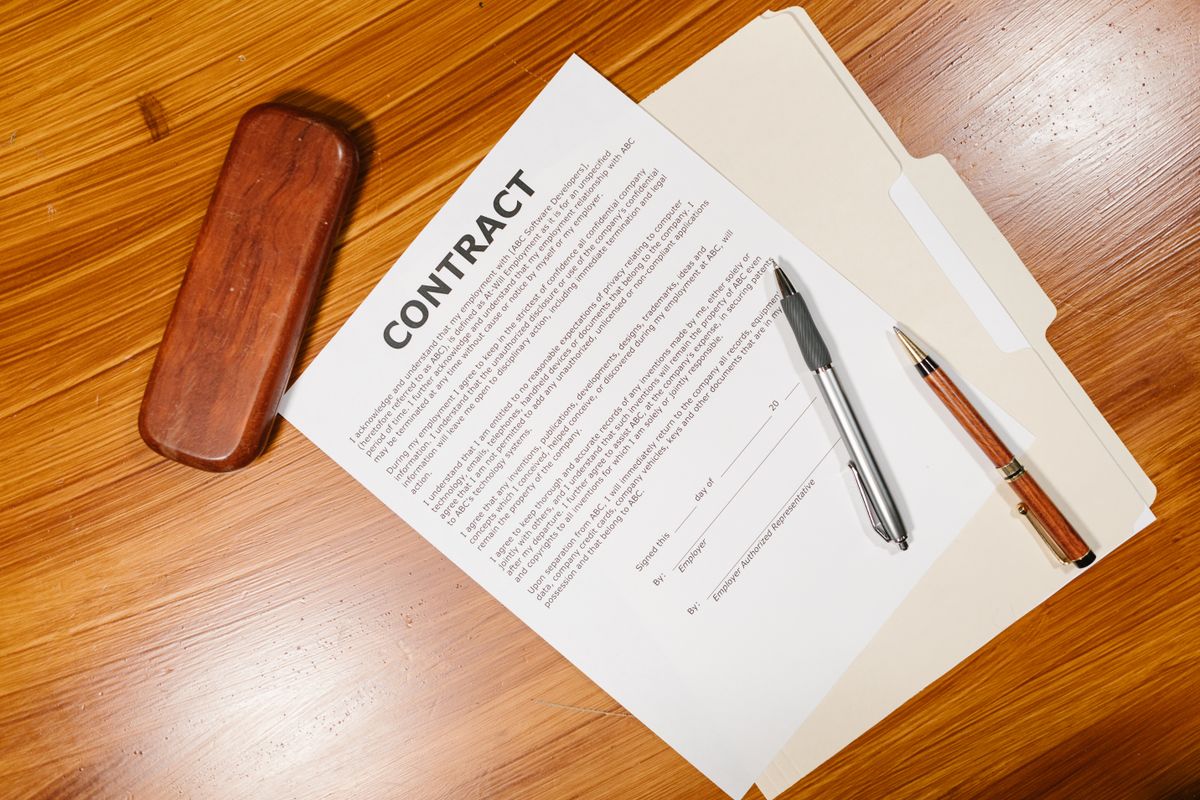
Each listing displays the seller or broker's contact details. Reach out directly. Ask for three years of financial statements, lease documents, and SLA license details. For New York transactions, also confirm the status of any DOB Letter of No Objection, Place of Assembly certificate, and Department of Health permits.
New York lease rates range from $18 to $250 per square foot annually depending on submarket and location. Confirm the remaining lease term, renewal options, CAM charges, and SLA license type and transfer status. Personal guarantees and good guy guarantees are standard in New York commercial leases, particularly in NYC.
About PepperLot
PepperLot organizes restaurant acquisitions around the details buyers need in New York State: sale structure, equipment, permits, seating, and property context.

New York restaurant acquisitions vary more dramatically than in any other state. Asset sales typically start from $30,000 in Buffalo, Rochester, or Syracuse and can exceed $1,500,000 for prime Manhattan business sales. Full business sales statewide range from $95,000 to over $3,500,000. Manhattan, Brooklyn, and parts of Queens command the highest prices while Western and Central New York offer the most accessible entry costs in the Northeast.
New York restaurant lease rates have the widest range of any US state. Prime Manhattan corridors run $150 to $250 per square foot annually. Brooklyn and Queens prime neighborhoods run $80 to $140. The rest of New York City, Westchester, and Long Island typically range from $45 to $90. Upstate cities like Buffalo, Rochester, and Syracuse sit between $18 and $42 per square foot, with Albany at $22 to $50.
Yes. Any restaurant in New York that serves alcohol requires a State Liquor Authority (SLA) license. License types include on-premises liquor, beer and wine, special restaurant licenses, and hotel licenses. Transfers typically take 90 to 180 days and require extensive documentation. SLA licenses in dense Manhattan and Brooklyn submarkets can be quota constrained and trade for substantial sums when available.
Manhattan, Brooklyn, and Queens are by far the most active markets on Pepperlot. Buffalo, Rochester, Syracuse, and Albany each see consistent listing flow as upstate independents transition. White Plains and the Long Island markets sit in the middle of the spectrum on price and listing count.
New York City restaurant leases typically run 10 to 15 years with multiple renewal options, longer than most US markets. Personal guarantees are nearly universal and good guy guarantees are standard. Upstate New York leases are typically 5 to 10 years and resemble standard Northeast commercial lease structures.
Yes. Listing on Pepperlot is free. Create a New York specific listing with details like hood systems, certificate of occupancy, SLA license type, and lease terms. Confidential listing options are available for sellers who want to reach buyers without exposing the business publicly. Pepperlot covers every New York market from Manhattan to Buffalo.