
Asset Sale
A buyer acquires equipment, fixtures, furniture, and restaurant infrastructure without taking on the prior operating company.

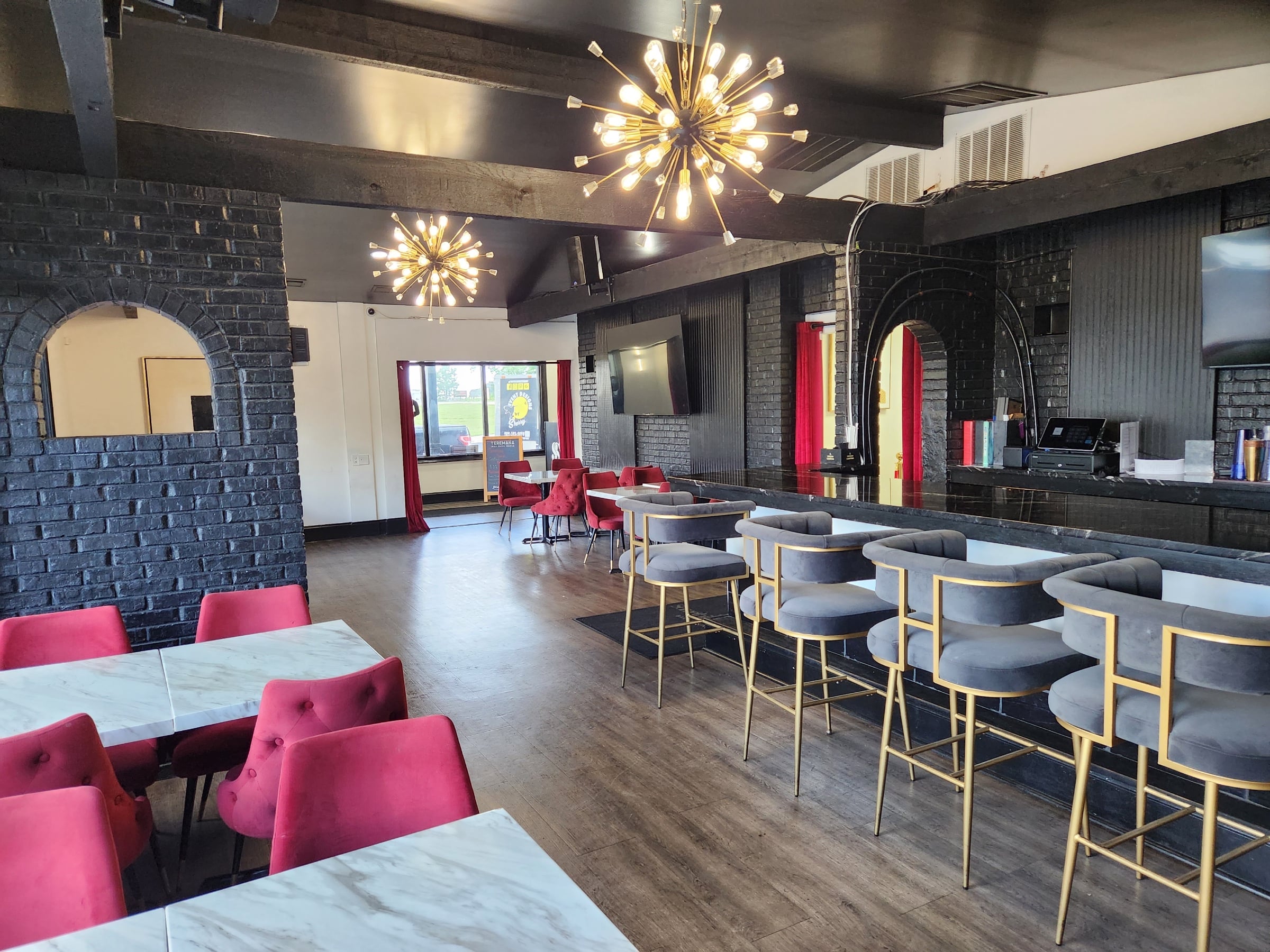
Financials are seller-reported.
Current rent: $7,300/mo
Operating business
View listing contact
Financials are seller-reported.
Current rent: $7,300/mo
Operating business
View listing contact
Market Context
Restaurants for sale in Georgia are concentrated across the Atlanta metropolitan area, Savannah, Augusta, Columbus, Macon, Athens, Sandy Springs, and Roswell. The state's restaurant market reflects a mix of major-metro fine-dining culture in Atlanta, year-round Historic District tourism in Savannah, Masters Tournament concentration in Augusta, military and corporate employment demand across Columbus and Warner Robins, college-town demand in Athens and Macon, and affluent north-metro suburban demographics across Sandy Springs and Roswell. The market regularly produces fine-dining concept, Southern hospitality full-service, soul food, military-corridor casual, college-town concept, coastal Southern, and elevated cocktail-bar acquisition opportunities across asset sales and business sales.
Restaurant acquisitions across Georgia range from $25,000 to $200,000 for asset sales and $85,000 to $1,800,000 for business sales depending on market and concept. Restaurant lease rates statewide range from approximately $14 to $68 per square foot annually. Understanding the regional rent and acquisition cost variation across the state is essential for evaluating any restaurant for sale in Georgia.
Popular Markets
Second-generation restaurants, also called 2nd gen restaurants or 2nd generation restaurants, are spaces previously used as restaurants. They may retain kitchen infrastructure such as an exhaust hood, grease interceptor, utility connections, or dining areas. Existing improvements can reduce the work needed for a new concept, but condition, equipment inclusions, and required upgrades vary by listing.
When evaluating a second-generation restaurant for sale in Georgia, distinguish an asset sale from a business sale or a property sale. Buying equipment or a restaurant business does not necessarily include the real estate. Review the included assets and whether you need a new lease or approval to assume an existing lease.
Verify ventilation, grease handling, power capacity, equipment condition, accessibility, and permitted use for your concept. Previous restaurant use does not guarantee current approvals, transferable licenses, or a turnkey opening. Not every listing is a second-generation space; confirm the buildout and current availability with the broker or owner.
When buying a restaurant with a commercial kitchen, check which equipment and kitchen improvements are included, whether the premises are owned or leased, and what approvals a new operator needs. An equipment or business purchase does not automatically transfer the kitchen lease or operating permissions.
Browse commercial kitchens for rentSale Types
A buyer acquires equipment, fixtures, furniture, and restaurant infrastructure without taking on the prior operating company.
A buyer acquires the operating business, brand, staff continuity, vendor relationships, and transfer documents tied to the acquisition.
A buyer acquires the real estate along with restaurant improvements, building systems, and site control.
Price Context
Asking prices vary by market, concept, profitability, equipment condition, and whether real estate is included. Buyers often compare asset sales below $250,000, business sales from $250,000 to $1,000,000, and property sales above that range.
In Georgia, review the asking price against kitchen infrastructure, seating, alcohol license status, seller financing terms, and local permit transfer requirements.
Licenses and Permits
Before completing a restaurant acquisition in Georgia, confirm GA alcohol license transfer, health permits, business licenses, signage approvals, and local operating permits with the agencies that control the address.
Permit transfer rules vary by market, so buyers should verify what transfers with the business sale, what requires a new application, and what must be approved by the landlord or property owner.
For Owners & Brokers
Pepperlot is designed around restaurant ownership transactions across Georgia, offering structure and transparency in a market where opportunities are often relationship-driven.
Review restaurant for sale opportunities across every major Georgia market without switching platforms.
Listings can share high-level details first, with deeper information introduced as discussions progress.
Operational elements such as kitchen configuration, seating capacity, and service flow are emphasized for every Georgia listing.
Many listings originate from restaurant brokers and brokerages familiar with Georgia's for sale landscape.
Platform
Pepperlot is the marketplace built exclusively for restaurant real estate in Georgia. Browse restaurants for sale statewide with restaurant-specific filters: hood systems, grease traps, walk-in coolers, existing permits, Georgia Department of Revenue Alcohol & Tobacco Division licenses, and patio seating. Use our location intelligence to analyze competition, demographics, and market potential for specific Georgia locations before committing to an acquisition.
Listings provide an overview of the restaurant across Georgia, including business type, operational setup, and location context.
Sale structures may include full business transfers, asset-only sales, or bundled arrangements depending on the listing.
Once published, the opportunity becomes visible to users searching for a restaurant for sale in Georgia.
Interested parties initiate contact directly through the platform, allowing for controlled communication and follow-up.
About PepperLot
PepperLot organizes restaurant acquisitions around the details buyers need in Georgia: sale structure, equipment, permits, seating, and property context.

Georgia restaurant acquisitions range from $25,000 to $200,000 for asset sales to $85,000 to $1,800,000 for established business sales across the state's major markets. Atlanta metropolitan area listings command the top of the range, with Augusta, Savannah, Athens, Sandy Springs, and Roswell mid-range, and Columbus, Macon, and outlying inventory at the lower end.
Atlanta dominates the Georgia restaurant sale market by absolute inventory volume, followed by the surrounding north-metro suburbs of Sandy Springs and Roswell. Savannah is the most active coastal market. Augusta, Columbus, Macon, and Athens round out the established secondary markets across the state.