
Asset Sale
A buyer acquires equipment, fixtures, furniture, and restaurant infrastructure without taking on the prior operating company.

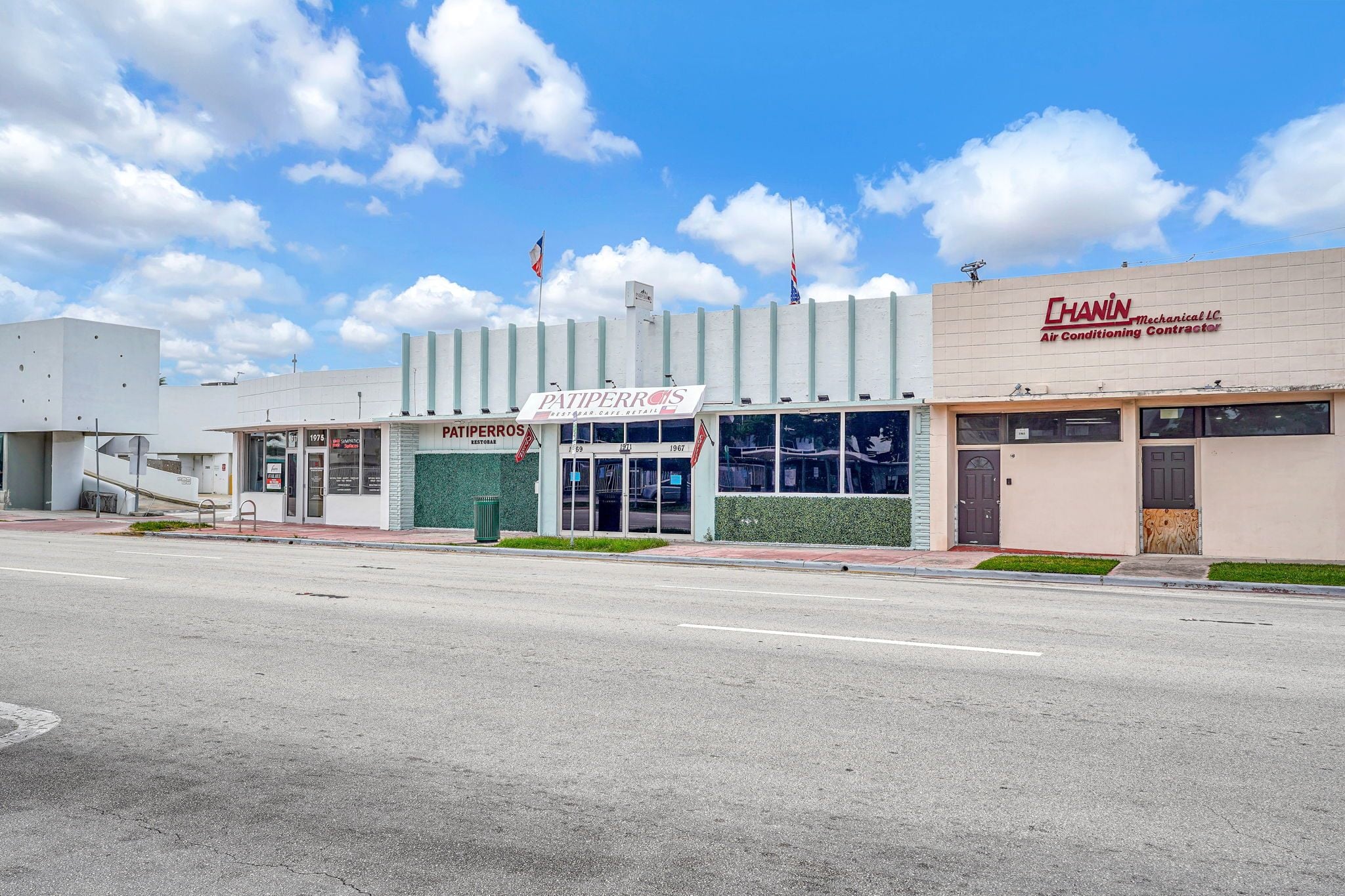
Market Context
Miami is the most international restaurant market in the United States. More than half the population speaks Spanish at home, and a meaningful share of customers in tourist heavy submarkets come from Latin America, Europe, and the Caribbean. Concepts that succeed here typically lean into rather than away from that international identity.
Lease rates in Miami Beach, Brickell, and the Design District are among the highest in the country at $70 to $95 per square foot annually. Wynwood and Coconut Grove typically run $50 to $75. Submarkets like Little Havana, Edgewater, and parts of Allapattah remain more accessible at $40 to $60 per square foot, often with second generation infrastructure already in place.
Seasonality is real but smaller than buyers expect. Miami's tourism is dense from December through April but does not collapse in summer the way it does on the Gulf Coast. Local population growth, a strong cruise industry, and a steady flow of international visitors keep revenues meaningfully above zero year round, particularly in residential submarkets.
Popular Markets
Miami's restaurant submarkets each carry distinct customer bases, lease economics, and concept fit. Choosing the right one matters as much as the concept itself.
Sale Types
A buyer acquires equipment, fixtures, furniture, and restaurant infrastructure without taking on the prior operating company.
A buyer acquires the operating business, brand, staff continuity, vendor relationships, and transfer documents tied to the acquisition.
A buyer acquires the real estate along with restaurant improvements, building systems, and site control.
Price Context
Asking prices vary by market, concept, profitability, equipment condition, and whether real estate is included. Buyers often compare asset sales below $250,000, business sales from $250,000 to $1,000,000, and property sales above that range.
In Miami, review the asking price against kitchen infrastructure, seating, alcohol license status, seller financing terms, and local permit transfer requirements.
Licenses and Permits
Before completing a restaurant acquisition in Miami, confirm FL alcohol license transfer, health permits, business licenses, signage approvals, and local operating permits with the agencies that control the address.
Permit transfer rules vary by market, so buyers should verify what transfers with the business sale, what requires a new application, and what must be approved by the landlord or property owner.
For Owners & Brokers
Built exclusively for restaurant real estate.
Every listing on Pepperlot is a restaurant or F&B space. No warehouses, offices, or unrelated commercial properties diluting your Miami search.
Hood systems, grease traps, walk-in coolers, DBPR permits, alcohol licenses, seating capacity, patio availability. The details that drive restaurant decisions are in every listing.
Cuisine gap analysis, demographic data, and competitive landscape information for Miami. Make a more informed decision before committing capital or signing a lease.
Some of the best Miami restaurant opportunities are listed confidentially. Pepperlot gives you access to off market opportunities not available on general platforms.
Platform
A step-by-step approach to acquiring your next location.
Filter Miami listings by transaction type, size, price, and specific features like hood systems, grease traps, outdoor seating, and DBPR alcohol licenses. Every listing includes the operational details that matter for restaurant acquisitions in Florida.
Understand whether you are acquiring a full business, assets only, or a property outright. Each structure carries different liabilities, transition timelines, and entry costs. Asset sales protect buyers from prior liabilities. Business sales require deeper due diligence on financials, staff, and DBPR license transferability.
Each listing displays the seller or broker's contact details. Reach out directly. Ask for three years of financial statements, lease documents, and DBPR license details. For Florida transactions, also confirm the status of any health permits, county business tax receipts, and post hurricane insurance requirements.
Miami lease rates range from $40 to $95 per square foot annually depending on submarket and location. Confirm the remaining lease term, renewal options, CAM charges, and DBPR license type and transfer status. Personal guarantees are standard in Florida commercial leases.
About PepperLot
PepperLot organizes restaurant acquisitions around the details buyers need in Miami: sale structure, equipment, permits, seating, and property context.

Miami restaurant acquisitions vary by submarket and concept type. Asset sales typically start from $45k+. Full business sales range from $150k+ to over $2.5M+ for established concepts in prime submarkets like South Beach, Wynwood and Design District, Brickell. Confirm at least three years of financials and DBPR license status before making any offer.
Miami restaurant lease rates run roughly $40 to $95 per square foot annually, with the higher end of the range applying to prime submarkets and the lower end to emerging or suburban areas. NNN structures and CAM charges typically add another $8 to $18 per square foot annually.
Pepperlot lists business sales, asset sales, and property sales across Miami. Asset sales transfer equipment and lease only, keeping the seller's prior liabilities out of the transaction. Business sales include the full operation, brand, DBPR license where transferable, and staff. Property sales are outright real estate purchases.
Any restaurant in Miami that serves alcohol requires a DBPR (Department of Business and Professional Regulation) license. Miami Dade County 4COP licenses are quota restricted and trade separately. Quota licenses in Miami can sell for $200,000 or more on the secondary market when available. Confirm the license type and transfer requirements with both the seller and DBPR before closing.
On Pepperlot, the most active Miami submarkets currently are South Beach, Wynwood and Design District, Brickell. Each carries different customer demographics, lease economics, and concept fit, so the best submarket depends substantially on the concept being acquired or planned.
Yes. Listing on Pepperlot is free. Create a Miami-specific listing with details like hood systems, seating, DBPR license type, and lease terms. Confidential listing options are available for sellers who prefer to reach buyers without publicly disclosing the business identity.